Author: Sumit

  • How Long Does it Take to Learn SEO?

    How Long Does it Take to Learn SEO?

    Read in 12 min

    Starting in SEO can feel overwhelming, yet it’s something you can master.

    Are you wondering how long it takes to learn SEO? Many beginners are keen to boost their online presence and often ask this question. The time it takes to get good at SEO depends on where you start, how quickly you learn, and the complexity of the SEO techniques you’re tackling.

    SEO goes beyond keywords and backlinks. It involves understanding how content, user experience, and search engine algorithms work together. Whether you aim to master the basics or explore more complex aspects, learning SEO is an ongoing process. Here’s what you need to consider to set realistic goals and successfully navigate the broad landscape of SEO.

    TL;DR

    • Learning Time: It depends on your goals and commitment. Expect a few months for the basics and more for more profound knowledge.
    • Main Focus: Gaining practical skills in both basic and advanced SEO strategies.
    • Ultimate Goal: Improve your website’s ranking and visibility on search engines.

    How Long Does It Take To Learn SEO? 6 Things To Consider

    Mastering SEO feels like learning to play an instrument—it takes patience, practice, and understanding the basics. How long does it take to master SEO? This isn’t a simple question. Several factors determine the time it takes to get good at SEO, whether you’re just starting out or already have some digital marketing experience.

    Things to consider:

    1. Your Starting Knowledge:

    Are you new to digital marketing or have any background in it? You’re ahead if you’re already familiar with web technologies and content creation. Complete beginners might need more time to grasp the basics.

    2. Complexity of SEO Techniques:

    SEO means more than just adding keywords to your content. You need to understand how search engines work, including on-page factors like meta tags and off-page factors like backlinks. Learning more complex topics takes longer.

    learning search engine optimization

    3. Quality of Learning Resources:

    Are your learning materials up-to-date and from reliable sources? The web has plenty of outdated and incorrect information, which can mislead you and slow your progress. Choosing current, high-quality resources can help you learn faster.

    4. Hands-on Practice:

    Reading about SEO is different from doing SEO. The more you practice, the better you understand the issues and decisions. Apply what you learn on a live site or a test environment to see results.

    5. Consistency in Learning:

    How often do you study and practice SEO? Regular engagement helps reinforce your knowledge and keeps you current with the latest trends and updates. SEO requires ongoing learning due to its dynamic nature.

    6. Your Learning Speed:

    Everyone learns at their own pace. Some might pick up SEO quickly, while others take longer to feel confident. Be patient and set goals that reflect your learning style.

    Remember, it’s a progressive process. Start with the basics and gradually advance to more complex techniques. This approach ensures comprehensive learning and prepares you to tackle SEO challenges effectively.

    Are you ready to begin your SEO learning journey and see where your skills take you?

    Understand The Role of SEO in Digital Marketing

    Any business must understand the importance of SEO in Digital Marketing to enhance its online presence. SEO refines your website and content, boosting visibility and increasing traffic from search engines.

    SEO is a vital skill in today’s digital marketing environment. Effective SEO strategies push your website higher in search rankings for key terms, helping it maintain top positions over time, unlike paid advertising, which requires ongoing investment.

    Here’s why SEO is invaluable:

    Increased Visibility: Proper SEO tactics ensure that potential customers see your website when they’re searching for what you offer.
    marketing skill

    Cost-Effective: SEO provides lasting benefits without continual costs, unlike pay-per-click advertising.

    Enhanced User Experience: SEO improves your site’s usability and navigability, benefiting users and search engines.

    Boosted Credibility: Sites ranking high on search result pages are often more trusted by users, enhancing your brand’s credibility.

    Customer Insights Using SEO tools gives you data on customer behaviors, such as search patterns and preferences, which are valuable for refining marketing strategies.

    Integrating SEO into your marketing efforts doesn’t just drive traffic; it lays the groundwork for ongoing business growth.

    Ready to enhance your SEO skills? Keep reading for practical advice and strategies to get you started.

    Is it Hard to Learn SEO if You Don’t Know Anything?

    Starting from scratch with SEO might seem overwhelming, but it’s achievable.

    If you’re new to the field, you might wonder, “How long does it take to learn SEO?” While it may look challenging initially, understanding the basics of SEO is manageable with dedication and the right tools.

    When learning SEO, you’re figuring out how search engines function and interact with your content. Here’s a straightforward approach to getting the hang of it:

    1. Basic Concepts: Start with foundational SEO concepts like keywords, meta descriptions, and how links affect your rankings. These are essential for anyone new to the field.

    2. Learning Resources: Use reliable resources like Moz’s Beginner’s Guide to SEO or Google’s own SEO Guide. They offer free, valuable insights into the world of SEO.

    3. Apply What You Learn: Implement your new knowledge on a website. This could be your blog or a practice site. Applying SEO techniques in real scenarios helps cement your understanding.

    4. Join SEO Communities: Online communities can be great for learning. Join forums or follow SEO blogs to get advice, share experiences, and keep up with industry trends.
    seo community

    5. Stay Updated: SEO changes frequently with new updates from Google and other search engines. Keep up with the latest by reading SEO news and updates.

    6. Keep Practicing: SEO takes time to show results. Keep practicing and tweaking your strategies. The more you practice, the better you’ll get.

    For those starting from zero, mastering the basics might take a few months to a year, depending on how much time you invest. It’s all about putting in consistent effort and staying curious.

    Follow these pointers, and you’ll grow more confident in your skills.

    Is Learning SEO Worth It?

    Knowing SEO is like finding a gold mine in today’s digital world. You might wonder, “Is learning SEO worth the time and effort?” If you’re considering diving into SEO basics, here’s what you should consider.

    SEO is not just a tool; it’s a crucial part of digital marketing that significantly boosts your website’s visibility and credibility. Imagine ranking at the top when potential customers search for what you offer. This visibility helps you become recognized as a trusted source.

    Why Invest Time in Learning SEO?

    1. Cost-Effective Marketing: SEO is more budget-friendly than traditional marketing. It actively reaches an audience searching for your products, enhancing your marketing spend efficiency.

    search engine optimization

    2. Boost in Traffic and Engagement: Optimized sites attract more visitors. Studies show that SEO and blog content are top sources of quality leads.

    3. Long-Term Benefits: Unlike ads, SEO builds sustainable visibility. Maintaining top rankings comes from regular updates and ongoing site optimization.

    4. Staying Ahead: Many businesses overlook SEO. Mastering it gives you a competitive edge over less informed competitors.

    5. Valuable Skills: Demand for digital marketing, especially SEO, is growing. These skills not only boost your business but also your career prospects.

    Learning the ropes of SEO—from researching keywords to optimizing your site technically—can take months to a year, based on your starting knowledge and how deep you go. However, the investment in learning SEO thoroughly pays off by potentially transforming your business or career.

    The Average Time It Takes To Learn SEO

    Jumping into SEO can be exciting; naturally, you might wonder how long it will take to get good at it. If you aim to learn SEO basics, your time can vary widely based on your current knowledge and your chosen resources.

    Regarding the SEO learning process, there isn’t a straightforward timeline that fits everyone. For many, starting with SEO blogs and tutorials is a practical approach. These resources are packed with essential tips and advanced tactics. But exactly how long does this learning take?

    Time It Takes To Learn SEO

    Everyone’s journey into SEO is unique. Some might pick up the basics in just a few weeks, especially if they spend significant time studying and applying what they’ve learned. For others, it might take a few months. Here’s what affects this timeline:

    1. Your Starting Point: Having a background in digital marketing might make SEO concepts easier to grasp.

    2. Learning Method: How quickly you learn depends on whether you’re enrolled in courses, reading blogs, or experimenting on your own site.
    learning seo

    3. Time Invested: Regularly dedicating time to study can expedite your learning process compared to sporadic studying.

    4. SEO Techniques Complexity: Simple SEO tactics can be learned quickly, while advanced strategies take longer to master.

    Research shows that gaining a good foundational knowledge of SEO generally takes about 3 to 6 months with consistent effort. According to industry experts, dedicating a few months to intense learning can set you up to manage basic SEO tasks effectively.

    If you’re beginning your SEO training or just brushing up on your skills, knowing how much time you need helps you plan your learning effectively.

    Next, we’ll explore practical steps to make SEO learning efficient and comprehensive.

    Pro tips on how to learn SEO more quickly

    Learning SEO might seem daunting, but it’s achievable with the right approach. How quickly can you pick up SEO? This depends mainly on your starting point, your commitment to learning, and the strategies you employ.

    Following tips from SEO experts can make a big difference.

    seo courses

    For instance, Neil Patel suggests understanding your audience and leveraging data for smarter SEO decisions. Adam Enfroy emphasizes securing high-quality backlinks and optimizing content to match user intent. These are practical steps that can propel your SEO forward.

    Pro tips:

    1. Follow SEO Experts: Keep up with insights from leaders like Neil Patel and Adam Enfroy.

    2. Enroll in Courses: Sign up for trusted online SEO courses to build your knowledge base.

    3. Apply What You Learn: Put theories into practice with real-world SEO projects.

    4. Keep Up with Trends: Stay current with the latest SEO techniques and search engine updates.

    5. Know Your Audience: Customize your SEO efforts to meet your target market’s needs and behaviors.

    6. Prioritize Big Wins: Focus on actions significantly impacting your SEO, such as acquiring quality backlinks.

    7. Utilize SEO Tools: Use advanced tools for data analysis and strategy refinement.

    By integrating these tips into your learning plan, you can shorten the time it takes to become proficient in SEO and enhance your ability to drive effective digital marketing strategies.

    How to Learn SEO From Scratch: The Game Plan

    If you’re new to the field, breaking down the process into manageable steps can make a huge difference. Let’s explore a simple yet effective approach to building your SEO skills from the ground up.

    The key is to focus on the basics first and gradually move on to more complex strategies. Understand how search engines work and the importance of keywords in your content. Then, practice optimizing web pages with these keywords, ensuring they appear in titles, headers, and meta descriptions.

    Here’s a straightforward game plan to get you started:

    1. Start with the Basics: Get to grips with essential SEO concepts like keyword research and how search engines operate.
    2. Focus on On-Page SEO: Make sure your content is optimized for users and search engines—pay attention to titles, headings, and URLs.
    3. Explore Off-Page SEO: Learn the importance of building backlinks and improving your site’s authority.
    4. Use Helpful Tools: Learn to use tools to track your website’s performance and find areas for improvement.
    5. Study Successful Strategies: Follow experts like Neil Patel and Brian Dean to see practical examples of successful SEO.
    6. Keep Learning: SEO constantly changes, so stay current by reading the latest articles and updates.
    7. Practice Makes Perfect: Put your knowledge to work by managing your own or assisting with others’ websites.

    By breaking down SEO into these achievable steps, you can start to see progress without feeling swamped. Consistent practice and continuous learning are your best tools for success.

    Let’s explore these steps in more detail and set you on the path to becoming an SEO expert.

    Start with the Basics

    If you’re new to SEO, starting with the basics is crucial. Learn how to identify keywords that potential customers use when they search for products or services like yours. Understanding how search engines rank content can also give you a clear edge in optimizing your site.

    Focus on On-Page SEO

    seo campaigns

    On-page SEO optimizes specific web pages to boost rankings and increase relevant traffic. This involves embedding pertinent keywords within your titles, headings, and body text.

    It’s also essential to use SEO-friendly URLs and ensure all elements, like meta descriptions and image alt texts, are optimized to help search engines understand and rank your pages better.

    Explore Off-Page SEO

    Off-page SEO boosts your website’s authority by building backlinks from other reputable sites. These links can enhance your site’s credibility, helping it rank higher in search results. Start building connections by engaging with related blogs and forums.

    link building

    Use Helpful Tools

    Utilizing tools like Google Analytics can help you understand your website’s performance. Tools such as Ahrefs or SEMrush are useful for backlink analysis and keyword tracking. These tools are essential for diagnosing site issues and finding opportunities for optimization.

    Study Successful Strategies

    Learning from top SEO legends like Neil Patel and Brian Dean can speed up your learning process. They provide actionable advice and tested strategies that can be immediately integrated into your SEO plans, helping you sidestep frequent errors and refine your methods.

    Keep Learning

    SEO is constantly changing, so continuous learning is critical. Follow relevant blogs, join webinars, and engage in online forums to stay abreast of new developments. Staying informed about the latest trends and algorithm updates enables you to adapt quickly and maintain your website’s competitiveness.

    Practice Makes Perfect

    Practice is essential for mastering SEO. Apply what you learn on your website or by helping others. This hands-on experience is invaluable for understanding the best strategies and how different changes can impact your site’s performance.

    By following these steps, you’ll be well on your way to becoming proficient in SEO, equipped with the knowledge and skills to boost your site’s visibility and traffic.

    Crafting SEO-Friendly Content

    Crafting SEO-friendly content isn’t just about stringing together keywords; it’s an art that balances readability with technical SEO proficiency.

    How do you ensure your content engages readers and ranks well on Google? It starts with solid groundwork in keyword research and a good grasp of tools like Google Analytics.

    To begin, conducting thorough keyword research is crucial. This means diving deep to find the relevant phrases your target audience uses when searching for content like yours. Tools like Google’s Keyword Planner can give you insights into what people are searching for and how competitive specific keywords are.

    conduct keyword research

    Once you’ve identified your keywords, you should naturally integrate them into your content, ensuring they enhance rather than disrupt your reader’s experience.

    Moreover, technical SEO is essential for making your content discoverable. This includes optimizing your meta tags, ensuring your website’s structure is crawlable, and ensuring your site is mobile-friendly.

    Google Analytics plays a key role here. It allows you to monitor your site’s performance and identify which content performs well. This tool can also help you understand how visitors interact with your site, providing valuable feedback on what works and what doesn’t.

    Let’s look at some real-world examples.

    Blogs like HubSpot are a great study in SEO success. They consistently rank high for numerous marketing-related keywords because their articles are well-researched, informative, and optimized for search engines at every level, from headlines to image alt texts.

    Similarly, Moz’s blog leverages expert insights into SEO trends and tips, which helps it capture top spots on Google searches and drive considerable organic traffic.

    But what’s the best way to create content that achieves similar success? It starts with understanding that SEO-friendly writing is a skill honed over time.

    How To Measure SEO Performance

    Measuring your SEO performance is essential to understand your strategies’ effectiveness and impact on your site’s visibility in search results.

    It’s not just about tracking your site’s position on search engine results pages; it’s about digging into why it ranks where it does and how you can keep or improve that ranking.

    Looking at metrics like organic traffic, search rankings, and link quality can be enlightening. For example, you see a 20% boost in organic traffic over three months. In that case, it suggests that your keyword selection and content are hitting the mark.

    Monitoring your rankings for specific keywords helps you see what’s working and what might need adjustment.

    Link building is also vital. Analyzing the quantity and quality of backlinks to your site gives insights into your domain authority and how other websites view your content. Tools like Google Analytics and Ahrefs provide detailed reports showing how these links affect your search results position.

    Why is it crucial to measure SEO performance?

    Without this data, optimizing your SEO strategy becomes guesswork. SEO metrics let you make informed decisions, refine strategies, and allocate resources effectively.

    These insights help highlight what’s working and pinpoint areas for improvement, ensuring each strategy supports your broader business goals.

    Summary

    • Track organic traffic growth monthly.
    • Monitor keyword rankings regularly.
    • Analyze the quality and quantity of backlinks.
    • Use Google Analytics to assess site performance.
    • Implement Ahrefs for detailed backlink analysis.
    • Review domain authority changes.
    • Adjust SEO strategies based on data insights.
    • Optimize content for better SERP positioning.
    • Set up goal tracking in Google Analytics.
    • Regularly update content to maintain rankings.

    Leverage tools that help to improve SEO

    Navigating SEO can seem complex, but with the right tools, you can make your website shine in search engine results.

    Let’s look at some essential tools that can help streamline your SEO efforts and improve your site’s visibility.

    Google Keyword Planner is crucial for effective keyword research. It helps you find relevant keywords and gives insights into search volumes and competition, which are vital in selecting the right keywords for your strategy.

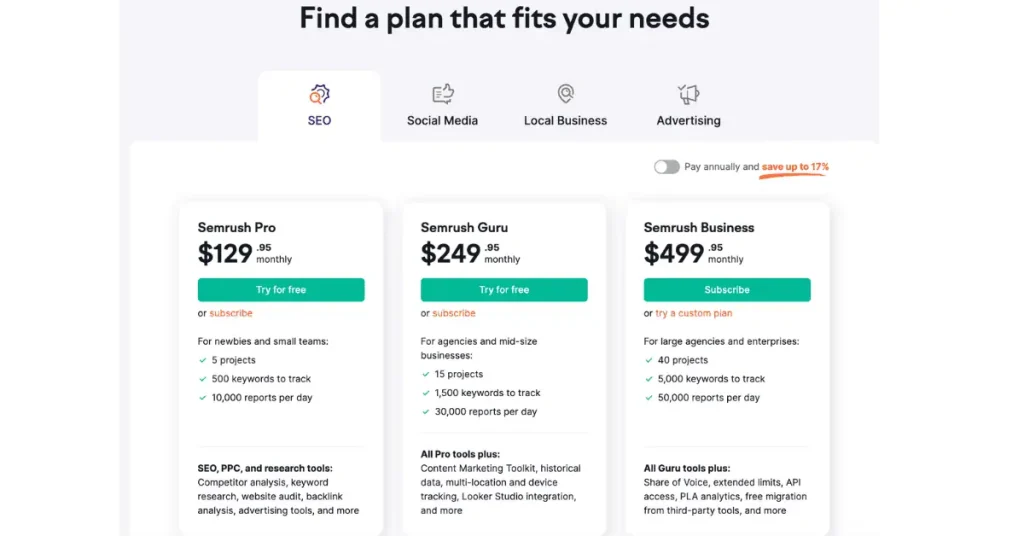
    SEMrush is a comprehensive tool that provides more than keyword insights. It allows in-depth SEO audits, daily ranking updates, backlink analysis, and competitor strategy breakdowns. This tool is excellent for those ready to dive deep into SEO complexities.
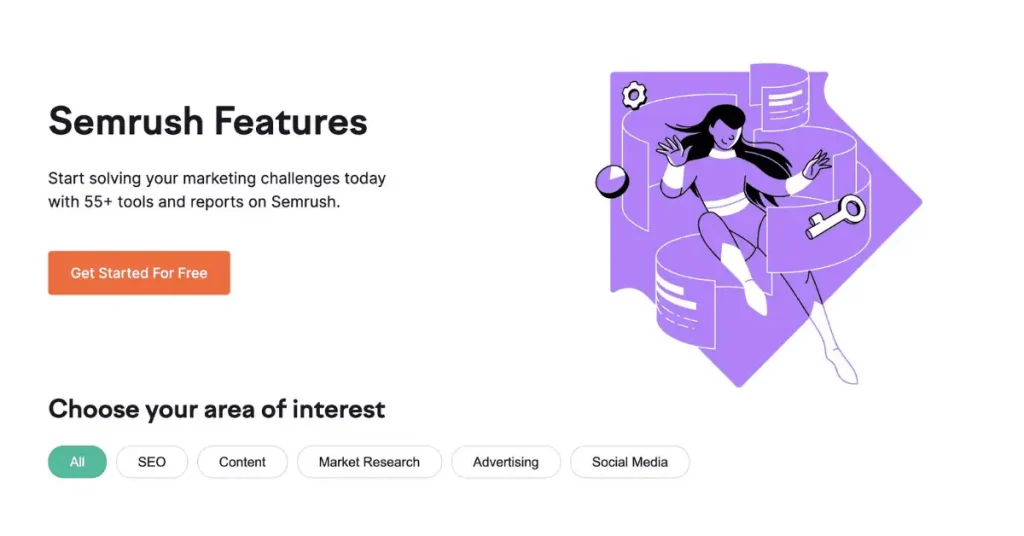
    seo success

    Moz Pro offers extensive features, including keyword suggestions, site audits, and search ranking tracking. To keep up with SEO shifts, it’s beneficial to receive customized SEO recommendations and access a wide range of learning materials.

    Google Analytics is indispensable for understanding how visitors interact with your site. It tracks user behavior, such as page visits and session duration, offering valuable data to refine your SEO and user engagement strategies.
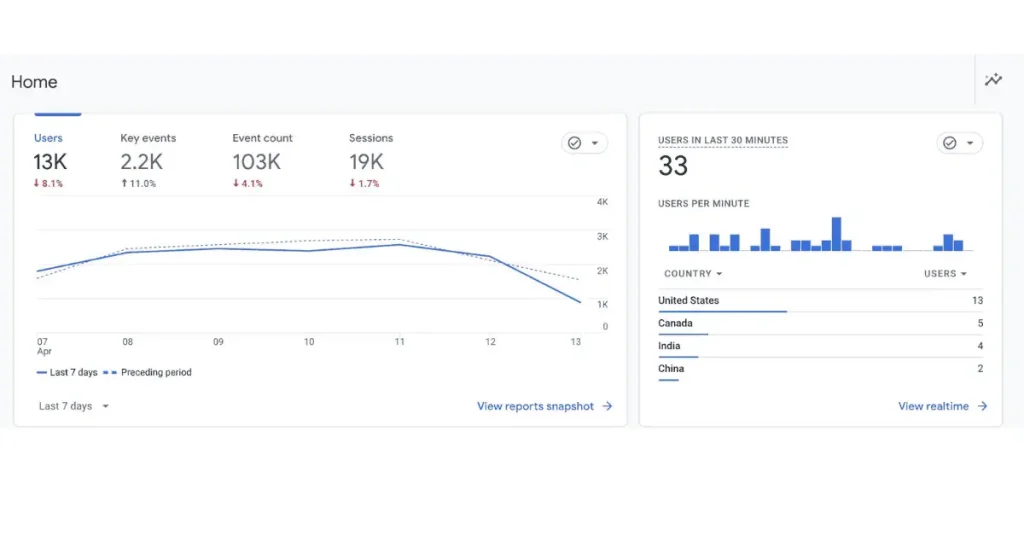
    seo journey

    Using these tools effectively can transform your SEO approach, providing clear insights and actionable data to boost your site’s performance.

    Do you want to become an SEO expert?

    Starting your journey to become an SEO expert is both exciting and challenging.

    It requires a firm grasp of SEO basics and an ongoing commitment to staying updated with the latest SEO trends and continuously refining your SEO strategy. Active participation in online SEO communities can speed up your learning, providing valuable insights and support as you explore the complexities of search optimization.

    3 to 5 Years: Launch Your SEO Firm

    After three to five years, you can start your own SEO business. By this stage, you should have a solid understanding of various SEO strategies and a track record of successful projects. Launching your business involves applying your skills to help others boost online visibility while establishing your brand in the digital marketplace.

    5 to 8 Years: Reach SEO Expert Level

    Achieving expert status usually takes between five to eight years. This level means you’re not just practicing advanced SEO techniques but also shaping the industry. Experts often share their knowledge through speaking engagements, writing detailed articles, or conducting advanced workshops for other SEO professionals.

    If you’re eager to dive into this challenging yet rewarding field, why not start today? Becoming an SEO expert is lengthy but offers significant personal and professional development opportunities.

    Final Thoughts

    Starting your journey in SEO is a brilliant decision for anyone looking to boost their digital marketing skills.

    The time it takes to master SEO varies, but the rewards justify the effort. Whether getting to grips with basic SEO strategy or exploring more complex SEO techniques, each step increases your skills and enhances your website’s effectiveness.

    Learning SEO brings significant benefits. It raises your site’s visibility and engagement and arms you with the ability to adapt to changes in the digital world. As online trends shift and algorithms change, your newfound skills will allow you to adjust your strategies, keeping your site competitive.

    As you become more skilled, SEO’s complexities become exciting challenges. These skills are invaluable, making you a crucial asset to any business and opening doors to various opportunities, whether you decide to freelance, consult, or manage SEO for large corporations.

    There’s no better time to start enhancing your SEO knowledge than now.
    Frequently Asked Questions

    Learning the basics of SEO can take a few months of study and practice. This involves understanding critical concepts like keywords, meta tags, and how search engines work.

    Absolutely! Many beginners successfully teach themselves SEO through online courses, webinars, and reading blogs from trusted sources like Moz and Search Engine Journal.

    Focus on mastering keyword research, on-page optimization (like meta tags and URLs), and off-page strategies such as link building to create a well-rounded skill set.

    Start by applying what you learn to your blog or website. Experiment with different SEO strategies and use tools such as Ahrefs for backlink analysis & Google Analytics to monitor progress and refine your strategy.

  • 7 Best SEO Software for Small Business

    7 Best SEO Software for Small Business

    Read in 12 min

    Do you need help to boost your small business’s online presence?

    In today’s digital age, harnessing the power of organic traffic and enhancing brand visibility is paramount for success.

    That’s where SEO software comes into play.

    But with countless options flooding the market, how do you choose the best SEO tools for your business? Fear not, as we’ve curated the ultimate guide to the “7 best SEO software for small business.”

    TL;DR

    • Discover top-notch SEO software tailored for small businesses.
    • Unlock the secrets to skyrocketing organic traffic and boosting brand visibility.
    • Simplify your search with our handpicked selection of SEO tools.
    • Make informed decisions to propel your business towards online success.

    Get ready to revolutionize your digital strategy as we delve into the world of SEO software tailored specifically for small businesses. Let’s dive in!

    What is the best SEO software for small businesses?

    In today’s digital era, optimizing your website for search engines is imperative for attracting organic traffic and increasing your online presence.

    However, selecting the most suitable tools for your business can be daunting, with many choices available.

    best SEO software for small business

    That’s where we step in! We’ve compiled a list of the finest SEO tools equipped with various features to assist you in monitoring and optimizing your website’s performance while adhering to your budget constraints.

    Here’s a glimpse of what these robust SEO tools can help you monitor:

    • Keyword Research: Discover the appropriate keywords for your business niche and track their performance over time to refine your content strategy and attract targeted traffic.
    • On-Page Optimization: Analyze your web pages’ structure, meta tags, and content quality to ensure they are optimized as per the search engine algorithms and seamless user experience.
    • Backlink Analysis: Measure the quality and quantity of inbound links to your site, uncover opportunities to enhance your link profile, and improve your search engine rankings.
    • Rank Tracking: Monitor where your website stands in search engine results pages for chosen keywords and track the changes over time to evaluate the effectiveness of your SEO efforts.
    • Competitor Analysis: Deep dive into your competitors’ SEO tactics, including their keywords, backlink profiles, and content strategies, to stay ahead in the online competition.

    Research by Search Engine Journal reveals that 68% of online journeys begin with a search engine, underscoring the significance of SEO in driving website traffic and attracting potential customers.

    Moreover, BrightEdge reports that businesses investing in SEO are 53% more likely to witness an increase in web traffic.

    With such compelling data, it’s evident that leveraging the capabilities of SEO tools is indispensable for SMEs striving to make a mark in the digital realm.

    So, if you’re ready to catapult your online presence to new heights, stay tuned as we unveil the finest SEO software tailored specifically for small businesses.

    Prepare to revolutionize your digital strategy and propel your business towards online success!

    In our next segment, we’ll delve deeper into the world of SEO tools, exploring their myriad functionalities and how they can revolutionize your small business’s online presence.

    1. Google Analytics

    Picture this: You’re a small business owner navigating the vast expanse of the digital world, eager to understand your website’s performance and reach.

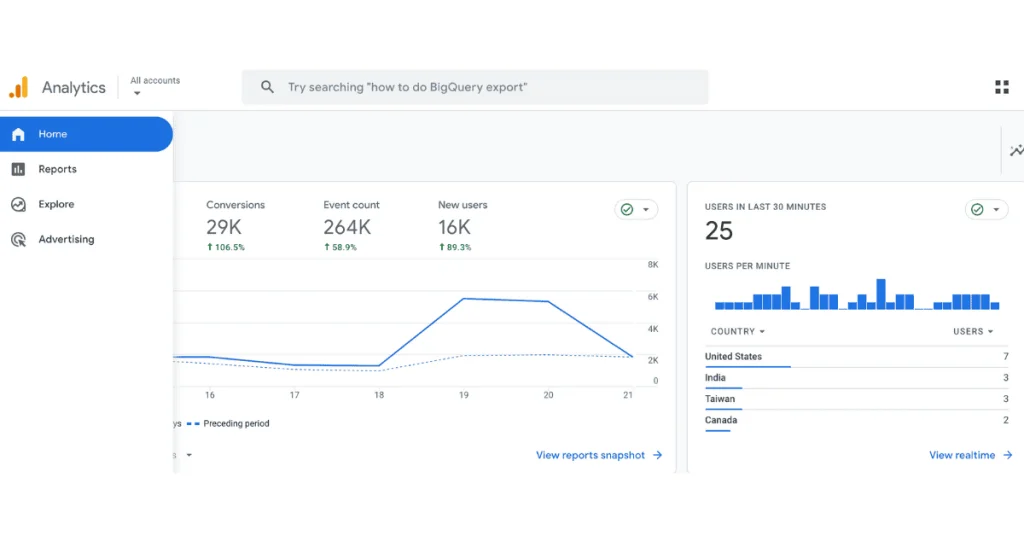
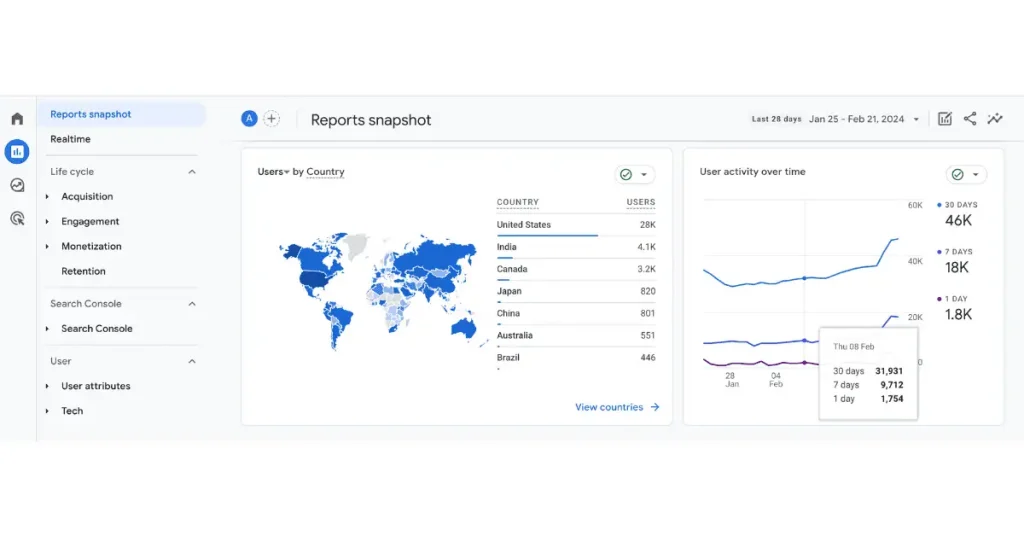
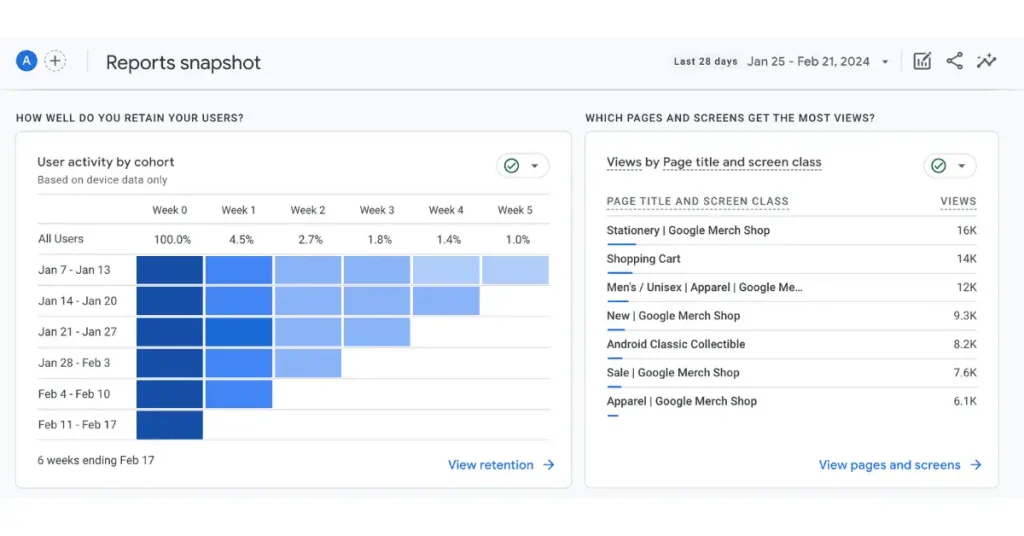
    Enter Google Analytics—the trusty companion that offers a window into the intricate workings of your online presence.

    GA free tool

    With its user-friendly interface and robust suite of features, Google Analytics has become synonymous with website analytics, attracting millions of users worldwide.

    What sets it apart?

    For starters, there’s the enticing fact that it offers a free version, making it accessible to businesses of all sizes. But it’s not just about the price tag—Google Analytics boasts many capabilities, from tracking website traffic and user behavior to monitoring conversion rates and campaign performance.

    According to StatCounter, Google Analytics commands a staggering 85% market share among web analytics tools, highlighting its unparalleled popularity and widespread adoption. 

    Wondering what insights you can uncover using this dynamic tool? Here’s a glimpse:

    Website Traffic: Keep tabs on the number of visitors, their origins, and which pages they’re exploring.

    Online visibility with GA

    Audience Demographics: Dive into your audience’s age, gender, location, and interests to tailor your strategies accordingly.

    GA tracking tool

    User Behavior: Gain insights into how visitors engage with your site, including bounce rates, session durations, and page views.

    Acquisition Channels: Identify the sources driving traffic, whether it’s through organic search, social media, or referrals.

    GA helps in formulating own seo strategy

    Conversion Tracking: Gauge the effectiveness of your marketing endeavors by tracking goals, e-commerce transactions, and conversion rates.

    2. Google Search Console

    Google Search Console is your ultimate ally in conquering the ever-evolving digital landscape. This powerhouse tool offers a treasure trove of features designed to help you monitor and optimize your website’s presence in search engine rankings—without costing you a penny for its basic version.

    But what exactly makes Google Search Console the go-to choice for web admins and SEO enthusiasts?

    GSC is indispensible for small business owners

    For starters, it provides invaluable insights into your website’s visibility on Google’s search engine results pages (SERPs), empowering you to fine-tune your strategies for maximum impact.

    With Google accounting for more than 90% of all online search queries, according to Statista, it’s clear why mastering Google Search Console is essential for businesses looking to thrive online.

    So, what can you monitor with this dynamic tool? Here’s a breakdown:

    • Search Performance: Gain insights into your website’s performance in Google search results, including clicks, impressions, and average click-through rate (CTR).
    • Search Analytics: Dive deep into your website’s search queries, pages, countries, devices, and search appearance to identify opportunities for improvement.
    • Index Coverage: Keep track of which pages of your site are indexed by Google and address any crawling or indexing issues that may arise.
    • URL Inspection: Gain a comprehensive understanding of how Google perceives a particular URL on your website and address any potential issues related to indexing.
    Google search experience with GSC
    • Enhancements: Explore opportunities to enhance your website’s appearance in search results by fixing structured data issues, mobile usability concerns, and more.

    With Google Search Console at your fingertips, optimizing your website’s visibility in search engine rankings has never been easier. 

    3. Google PageSpeed Insights

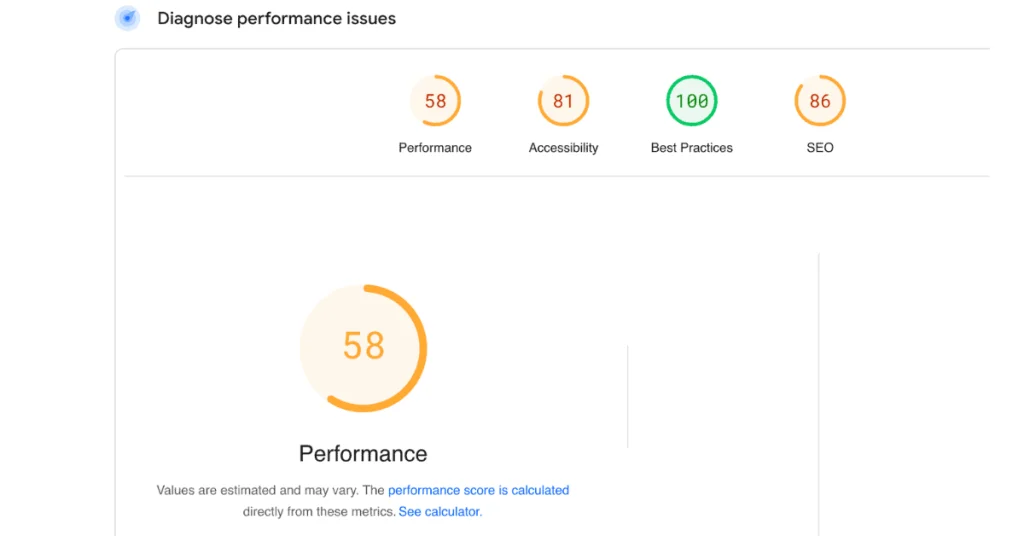
    Google PageSpeed Insights is the ultimate tool for optimizing your web pages and boosting page speed. Whether you’re a seasoned developer or a novice website owner, this invaluable resource offers many features to help you improve user experience and drive more traffic to your site without costing you a dime for its basic version.

    So, what sets Google PageSpeed Insights apart from the competition?

    It provides real-time analysis and actionable recommendations to help you identify and address speed-related issues that could hold your website back.

    With an outstanding reputation supported by numerous favorable reviews, it’s no wonder why Google PageSpeed Insights has become a must-have tool for web admins and SEO enthusiasts.

    But what exactly can you monitor with this dynamic tool?

    • Page Speed: Get insights into your web pages’ loading times and identify opportunities to optimize performance for faster loading speeds.
    • Mobile-Friendliness: Ensure your website is optimized for mobile devices, a crucial factor in Google’s search ranking algorithm, by analyzing its responsiveness and usability on smartphones and tablets.
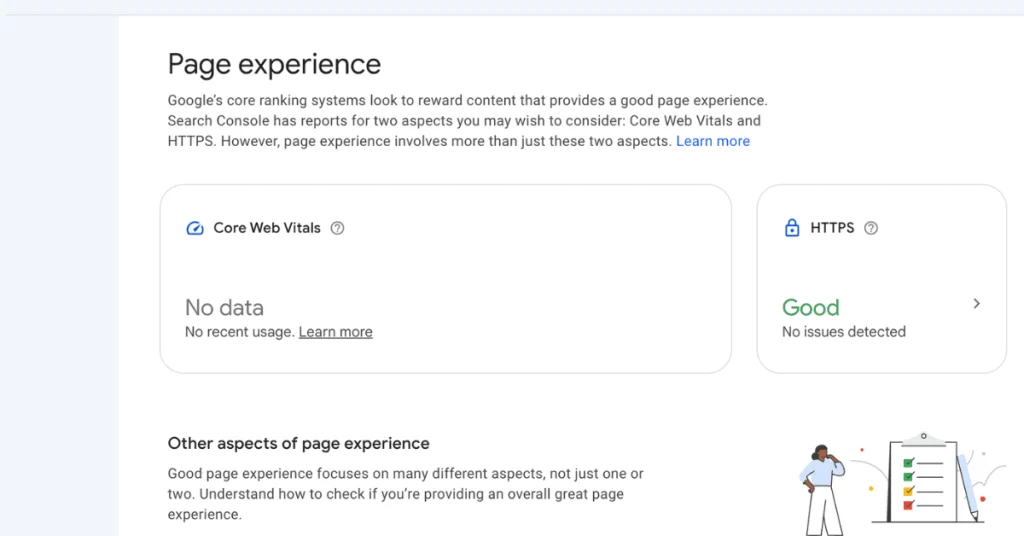
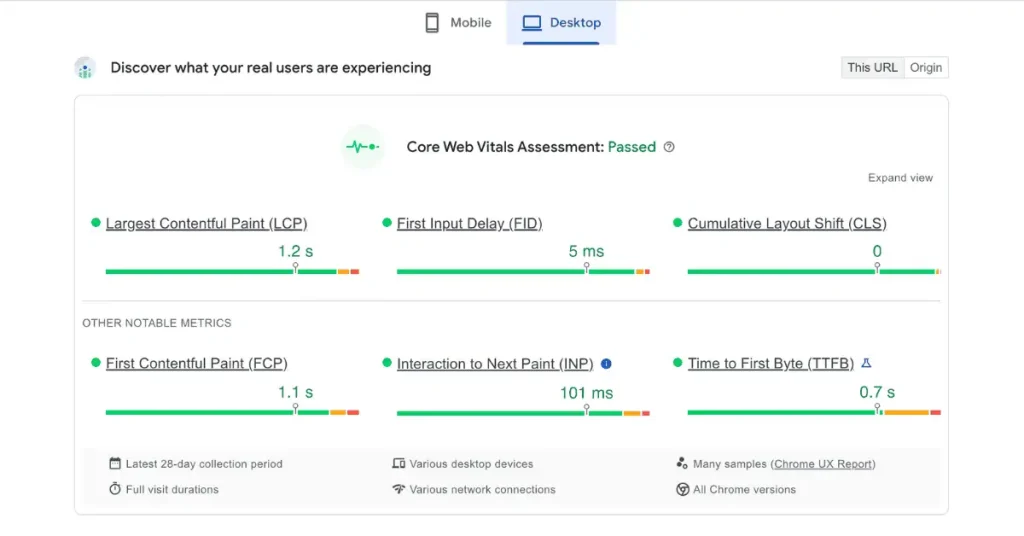
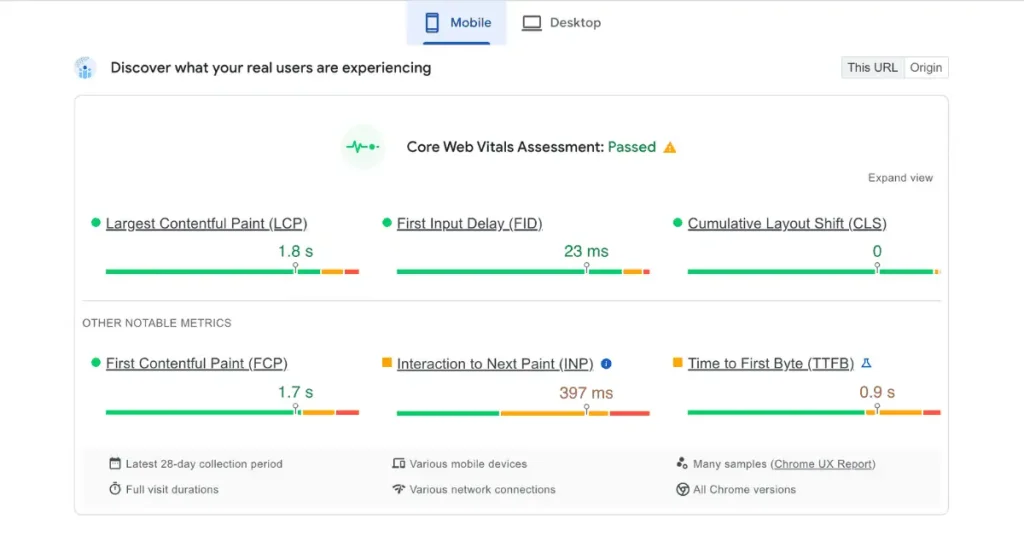
    • Core Web Vitals: Dive deep into critical metrics such as Largest Contentful Paint (LCP), First Input Delay (FID), and Cumulative Layout Shift (CLS) to measure user experience and address any issues affecting your site’s performance.
    Core Web vitals as per google search results

    Speaking of Core Web Vitals, these metrics are pivotal in determining how Google evaluates and ranks your website. With user experience taking center stage in today’s digital landscape, ensuring your site meets Google’s Core Web Vitals criteria is essential for maintaining a competitive edge.

    According to a report by Backlinko, websites that meet Google’s Core Web Vitals thresholds are more likely to rank higher in search results—a compelling reason to prioritize optimization efforts.

    But it’s not just about desktop performance—mobile optimization is equally crucial in today’s mobile-first world.

    mobile optimization vital for website's seo

    With more than half of all web traffic originating from mobile devices, according to Statista, optimizing your website for mobile is no longer optional—it’s a necessity for success. By leveraging Google PageSpeed Insights to analyze and improve your site’s mobile performance, you can ensure a seamless user experience for visitors across all devices.

    Diagnose performance issues with free seo tools

    In conclusion, Google PageSpeed Insights is your ticket to optimizing your website’s performance, enhancing user experience, and climbing the Google search engine results page.

    4. Ahrefs

    Ready to dive deep into practical keyword research and competitor analysis? Say hello to Ahrefs—a go-to tool for SEO enthusiasts and digital marketers.

    With its brilliant features and user-friendly interface, Ahrefs has become a household name in SEO. But what sets it apart from the competition?

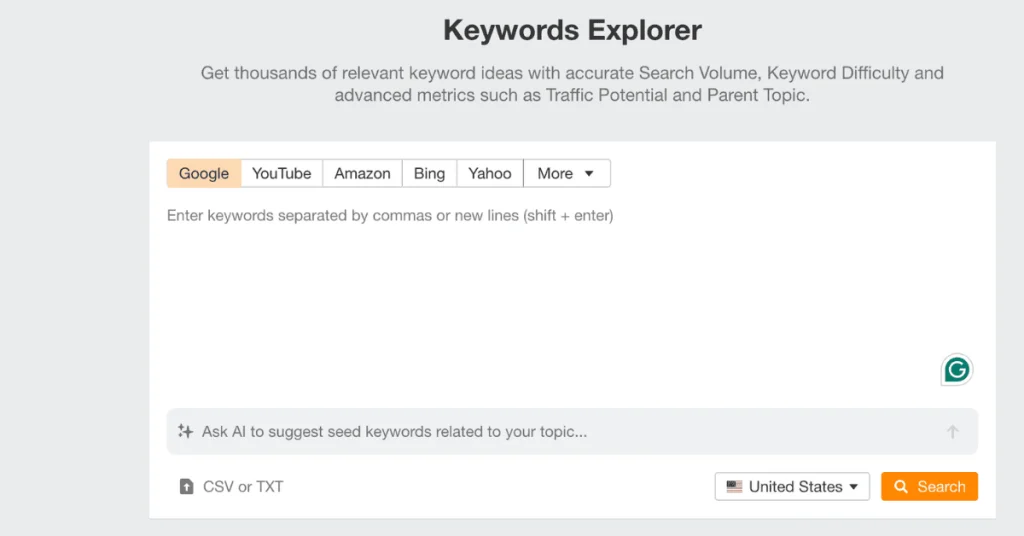
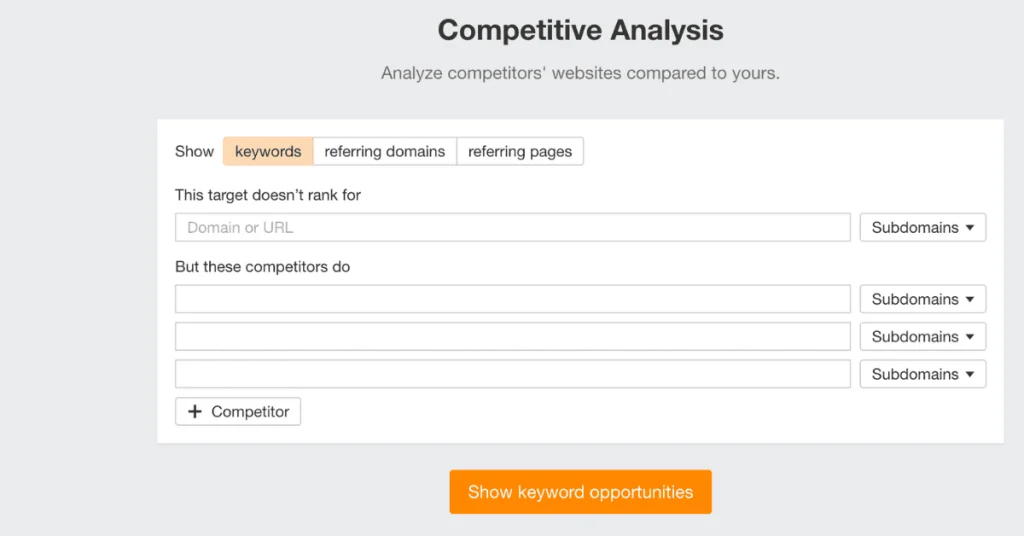
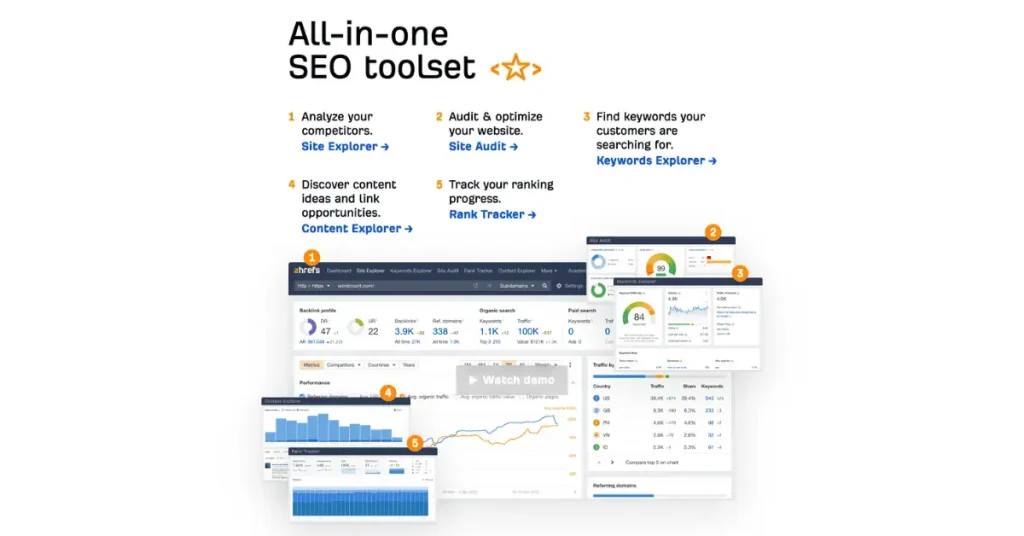
    Ahrefs offers comprehensive keyword research tools that provide valuable insights into search volume, keyword difficulty, and potential ranking opportunities. Its competitor analysis feature lets you peek behind the curtain and uncover the strategies driving your rivals’ success.

    Here’s a glimpse of what you can monitor with Ahrefs:

    • Keyword Research: Discover lucrative keyword opportunities and unearth hidden gems to fuel your content strategy.
    Ahref helps to track keyword rankings
    • Keyword Ideas: Generate many keyword ideas based on seed keywords or competitor analysis, allowing you to generate more organic traffic.
    Ahref helps to perform competitive analysis
    • Competitor Analysis: Gain valuable insights into your competitors’ backlink profiles, content strategies, and organic search traffic, enabling you to leap forward in the digital race.

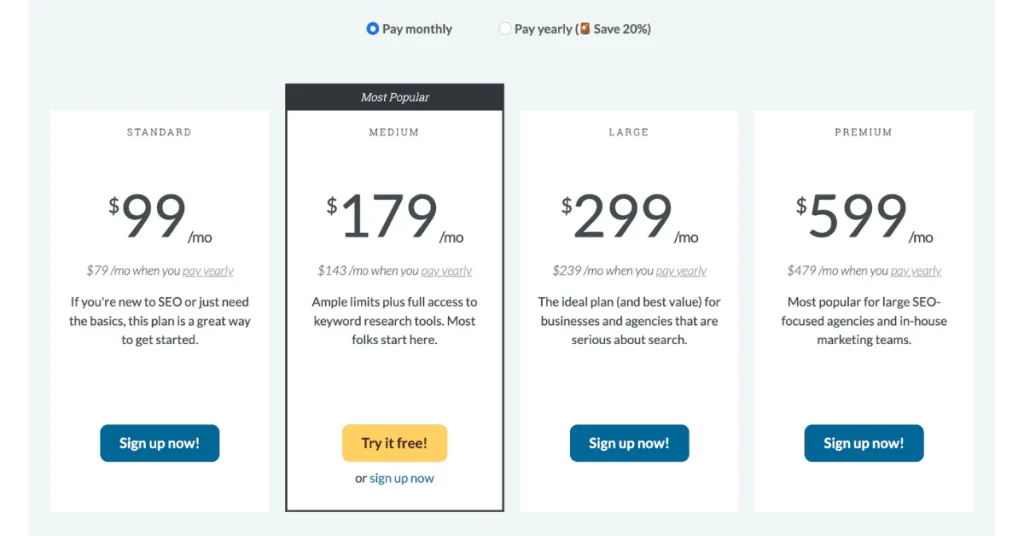
    Regarding pricing, Ahrefs offers a range of subscription options to suit every budget, from basic plans for solo entrepreneurs to enterprise-level solutions for large corporations.

    With flexible pricing and a wealth of features, Ahrefs is the perfect companion for businesses of all sizes looking to dominate the search engine rankings.

    Ahref's paid version options

    But why is keyword research especially crucial for mobile optimization?

    Statista said mobile devices accounted for over 50% of global website traffic in 2021. With mobile search becoming increasingly prevalent, understanding the keywords driving mobile traffic is essential for maximizing your website’s visibility and attracting potential customers.

    To summarize, Ahrefs is your ticket to unlocking the full potential of your website and dominating the search engine results pages. So why wait? Dive in, explore the data, and revolutionize your digital strategy with Ahrefs today!

    5. Screaming Frog SEO Spider

    This powerful software has earned its stripes as a favorite among digital marketers and SEO professionals for its comprehensive website crawling capabilities and in-depth analysis.

    But what makes it better among the myriad of SEO tools available? Let’s take a closer look:

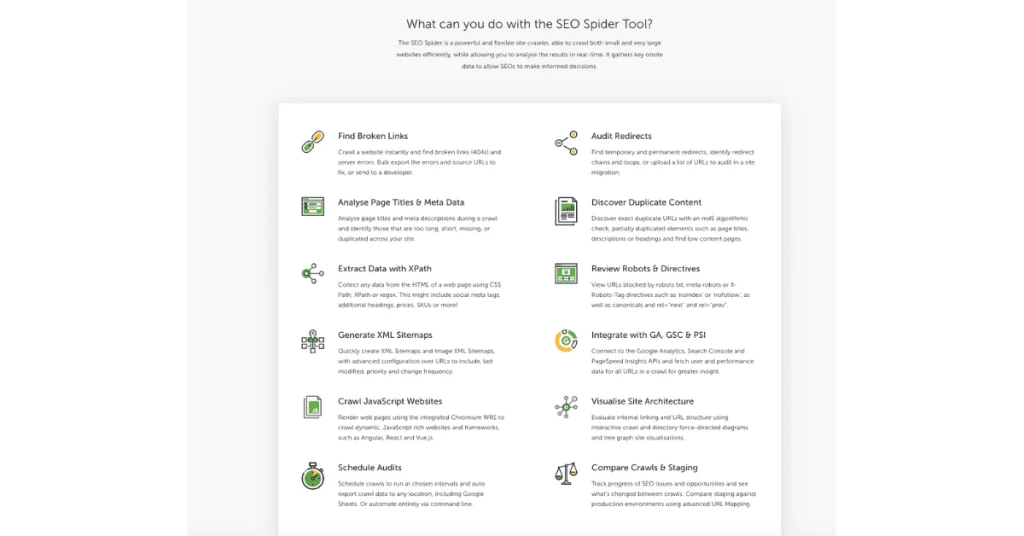
    Screaming Frog SEO Spider crawls websites

    Features: 

    • Website Crawling: Conduct thorough crawls of your website to identify technical issues, broken links, and optimization opportunities.
    • On-Page SEO Analysis: Analyze meta tags, headers, and other elements to ensure alignment with search engine optimization.
    • Local SEO Audits: Perform audits specific to local SEO factors, such as NAP consistency and Google My Business optimization.
    • XML Sitemap Generation: Automatically generate XML sitemaps, enabling search engines to discover and index your website’s pages more efficiently.

    What Makes Screaming Frog SEO Spider Popular:

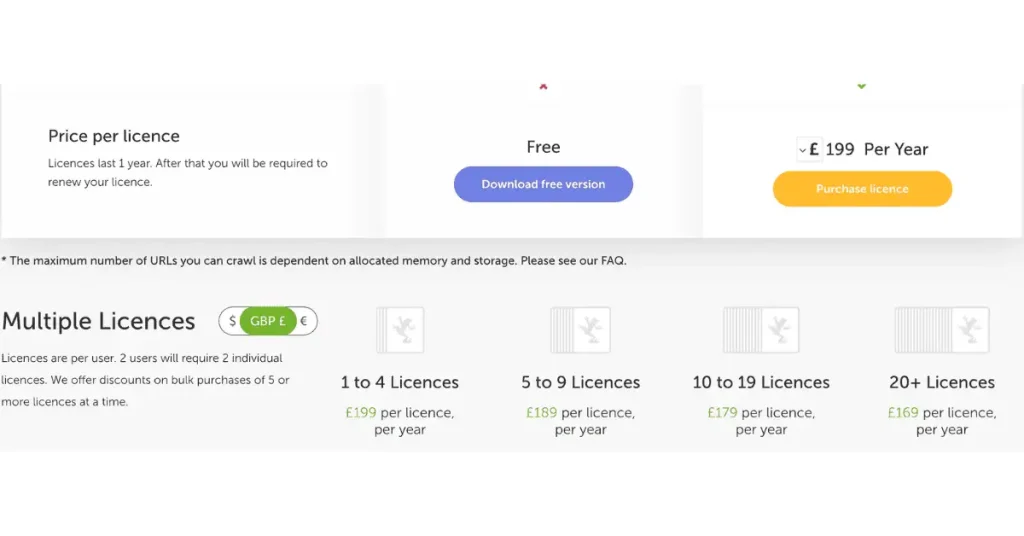
    • Comprehensive Crawling: With the ability to crawl up to 500 URLs for free, Screaming Frog offers unmatched website auditing and optimization value.
    • Intuitive Interface: The ergonomic interface makes navigating data and uncovering actionable insights easy.
    • Regular Updates: Screaming Frog consistently enhances its software to align with ever-evolving search engine algorithms and industry best practices.

    What Can Be Monitored with Screaming Frog SEO Spider:

    • Broken Links: Identify and fix broken links on your website to improve user experience and maintain search engine credibility.
    • Redirect Chains: Uncover redirect chains that may slow down your website’s loading speed and negatively impact SEO.
    • Meta Data: Verify that meta titles and descriptions are tailored for pertinent keywords and precisely reflect the page’s content.

    Significance of Removing Broken Links:

    Removing broken links is crucial for maintaining a seamless user experience and preserving your website’s credibility with search engines. According to SEMrush, broken links can negatively impact your website’s search engine rankings and hinder its ability to attract organic traffic.

    Significance of Real-Time Site Audits:

    Real-time site audits provide valuable insights into your website’s health and performance, allowing you to identify and address issues promptly. By staying vigilant about addressing technical issues and seizing optimization opportunities, you can guarantee that your website maintains competitiveness amidst the continually evolving realm of search engine optimization.

    Screaming Frog SEO Spider paid version

    In conclusion, Screaming Frog SEO Spider is a must-have tool for any digital marketer or SEO professional looking to optimize their website and improve search engine visibility. Its comprehensive crawling capabilities and user-friendly interface make it the perfect companion for tackling technical SEO challenges and driving organic traffic to your site.

    6. Semrush Keyword Magic Tool

    Semrush is the best keyword research tool

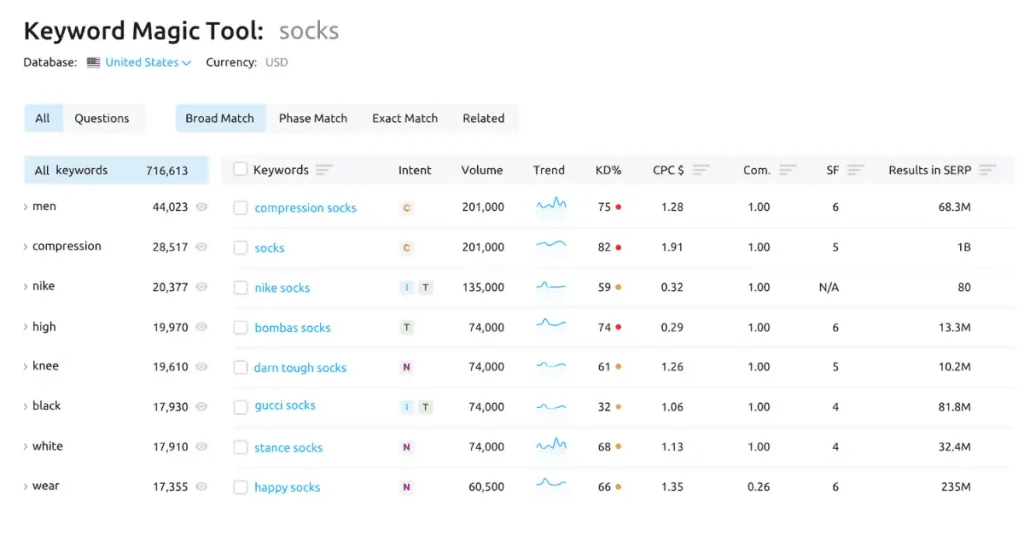
    Semrush Keyword Magic Tool is an indispensable tool that has revolutionized how digital marketers and SEO professionals uncover valuable keywords to fuel their content strategy and boost search engine rankings. But what exactly makes it stand out from the crowd? Let’s explore:

    Key Features and Benefits of Semrush Keyword Magic Tool:

    • Comprehensive Keyword Database: Access a vast database of keywords spanning various industries and niches.
    • Advanced Filtering Options: Refine your keyword research with filters based on search volume, keyword difficulty, and more.
    • Keyword Analysis: Gain insights into keyword trends, search volume, and competition to identify lucrative opportunities.
    • Search Intent Analysis: Understand the intent behind user searches to create content that resonates with your target audience.

    What Makes Semrush Keyword Magic Tool Popular:

    Best keyword research tool
    • User-Friendly Interface: The intuitive interface makes navigating through keyword data and uncovering valuable insights quickly.
    • Actionable Recommendations: Receive actionable recommendations for optimizing your content based on keyword research and search intent analysis.

    What Can Be Monitored with Semrush Keyword Magic Tool:

    • Keyword Trends: Track changes in keyword popularity and search volume over time to stay ahead of the competition.
    • Competitor Keywords: Identify keywords your competitors are targeting and explore opportunities to outrank them.
    • Search Intent: Analyze the intent behind user searches to ensure that your content aligns with their needs and interests.

    Significance of Search Intent:

    Understanding the search intent is essential for crafting content that connects with your target audience and fosters interaction.

    Understanding search intent helps to optimize keyword rankings

    According to HubSpot, 71% of marketers agree that understanding search intent is critical for SEO success. Additionally, Backlinko reports that content optimized for search intent is 30% more likely to rank in the top three positions in search results.

    Semrush catapults seo strategy

    In conclusion, the Semrush Keyword Magic Tool is a game-changer for digital marketers and SEO professionals looking to elevate their keyword research efforts.

    With its comprehensive database, advanced filtering options, and search intent analysis, it’s the perfect companion for unlocking the full potential of your content strategy and driving organic traffic to your website.

    7. Moz Pro

    Moz Pro is the go-to toolkit for marketers and SEO professionals seeking to elevate their digital strategy. Renowned for its comprehensive features, Moz Pro offers a wealth of benefits to help you boost your website’s performance and outrank the competition. Here’s what sets it apart:

    Key Features and Benefits of Moz Pro:

    • Rank Tracking: Monitor your website’s search engine rankings and track changes over time to gauge the impact of your SEO efforts.
    • Site Crawling: Analyze your website’s structure and identify on-page technical issues that may impact its performance in search results.
    • Marketing Tactics: Access actionable insights and recommendations to adjust your marketing strategies and drive more traffic to your site.

    What Makes Moz Pro Popular:

    • Robust Data: Moz Pro leverages a vast database of metrics and analytics to provide accurate and up-to-date information about your website’s performance.
    • User-Friendly Interface: Even beginners can easily navigate through data and discover valuable insights, thanks to the user-friendly interface.

    What Can Be Monitored with Moz Pro:

    • Keyword Rankings: Track your website’s performance for target keywords and identify opportunities for improvement.
    • Backlink Profile: Monitor your website to pinpoint high-quality linking opportunities that can improve your search engine rankings.
    • On-Page Optimization: Analyze your website’s on-page elements and receive recommendations for optimizing meta tags, headers, and content.

    Significance of Link Building:

    Link building is crucial in improving your website’s authority and visibility in search engine results.

    backlink monitoring vital for seo performance

    According to Backlinko, websites with a strong backlink profile are more likely to rank higher in search results. Additionally, HubSpot reports that 75% of SEO professionals believe link building is essential to SEO strategy.

    Mozpro aids to optimize website content on realtime basis

    In conclusion, Moz Pro is a game-changer for marketers and SEO professionals looking to take their digital strategy to the next level. Its comprehensive features, user-friendly interface, and robust data make it the perfect companion for optimizing your website and driving organic traffic.

    What are SEO tools?

    Have you ever pondered how certain businesses effortlessly secure prime positions on the first page of Google’s search results. In contrast, others seem lost in the digital abyss.

    Enter SEO tools, the digital Swiss army knives that wield the power to elevate your online presence to new heights.

    But what are these tools, and why are they so crucial in today’s competitive landscape?

    Picture this: You’re a small business owner who dreams of expanding your reach and attracting eager customers. You understand the importance of keyword research and organic search traffic’s lifeblood, but where do you begin? That’s where SEO tools come into play.

    A brief

    1. SEO tools are essential for optimizing your website’s visibility on search engines.
    2. They assist in keyword research, driving organic search traffic, and navigating search engine algorithms.
    3. Understanding the importance of SEO tools is crucial for staying ahead in today’s competitive digital landscape.

    Did you know that websites ranking on the first page of Google receive over 90% of clicks, while those on the second page garner a mere 4%?

    That’s a staggering statistic, underscoring the importance of optimizing your website’s visibility to capture the attention of your target audience.

    So, what exactly are these tools, and how do they work their magic?

    At their core, these are specialized software designed to analyze, optimize, and track your website’s performance in search engine results.

    From conducting in-depth keyword research to monitoring your website’s ranking fluctuations, these tools provide invaluable insights to help you stay ahead of the competition. However, their benefits extend far beyond mere keyword optimization.

    Following the latest trends and algorithm changes is crucial, especially as the digital environment evolves rapidly. SEO tools excel here, providing the necessary knowledge and resources to adjust and succeed in an ever-evolving digital world.

    What is the best SEO tool?

    Interested in discovering the premium tools that can elevate your website’s performance and set you apart from the competition?

    Among some of the best SEO tools available, Ahrefs reigns supreme:

    Ahrefs

    Known for its comprehensive features and user-friendly interface, Ahrefs is a powerhouse for SEO enthusiasts. From keyword research to backlink analysis, it offers many tools to optimize your website’s performance and outshine the competition.

    Ahref's is the best seo software overall

    Benefits of Ahrefs:

    • Robust Keyword Research: Uncover valuable keyword opportunities and track their performance over time to refine your content strategy.
    • In-Depth Backlink Analysis: Explore your website’s backlink profile and identify high-quality linking opportunities to boost your search engine rankings.
    • Competitor Analysis: Obtain valuable insights into your competitors’ tactics and identify opportunities to surpass them in search engine rankings.

    With Ahrefs by your side, you can take your SEO game to the next level and drive more traffic to your website. Ready to revolutionize your digital strategy?

    Let’s delve in and discover the multitude of opportunities with Ahrefs!

    How do you Choose the Best SEO Tools for small businesses?

    Looking for the perfect SEO tools to catapult your small business website to success?

    But with so many options, how do you narrow down the choices? Here are some key features to keep in mind while selecting the best SEO tool for your small business:

    • Comprehensive Keyword Research: Ensure the tool offers robust keyword research capabilities to help you uncover valuable keywords relevant to your business niche.
    • On-Page Optimization: Look for features that assist in optimizing meta tags, headers, and content to enhance your website’s visibility in search results.
    • Backlink Analysis: Choose a tool that provides insights into your backlink profile and helps you identify opportunities to acquire high-quality backlinks.
    • Competitor Analysis: Opt for a tool that allows you to analyze your competitors’ strategies and discover ways to outperform them in search rankings.

    By considering these key features, you can select the best SEO tool to meet the needs of your small business.

    Conclusion

    In wrapping up our exploration of the top SEO tools for small businesses, it’s clear that the right tool can make a difference in your digital strategy.

    From keyword research to in-depth competitor analysis, these tools offer invaluable insights to help your small business thrive online.

    Whether you opt for a paid solution like Ahrefs or leverage the power of free tools like Google Analytics, there’s something for every budget and need.

    With the right SEO tools in your arsenal, you can boost your website’s visibility, attract organic traffic, and propel your small business toward online success.

  • 7 steps to become a freelance SEO consultant in 2024

    7 steps to become a freelance SEO consultant in 2024

    Read in 14 min

    Embarking on becoming a freelance SEO consultant in 2024? You’re in the right place.

    The digital arena is increasingly competitive, with a rising need for experts adept at handling the intricacies of search engine optimization.

    Whether you’re looking to boost organic traffic, enhance brand visibility, or carve out a niche in the vast SEO world, mastering the art of freelance SEO consulting could be your golden ticket.

    TL;DR

    • Understand the SEO landscape in 2024
    • Master the skills to increase organic traffic
    • Enhance brand visibility through strategic SEO
    • Build a strong, result-driven portfolio
    • Navigate the freelance market effectively
    • Stay ahead with continuous learning
    • Ethical practices for long-term success

    Facing the challenge head-on, this guide breaks down the essential steps to enter the world of freelance SEO and thrive in it.

    Freelance SEO consultant

    We’ve got you covered, from honing your skills to standing out in a sea of competitors.

    Ready to transform your passion for SEO into a thriving freelance career?

    Let’s dive in.

    1. Understanding SEO Fundamentals and Trends

    Before becoming a freelance SEO consultant, let’s lay the groundwork with a solid understanding of SEO fundamentals and trends.

    SEO might sound like a complex web of strategies. Still, at its core, it’s about enhancing your online visibility in organic search results.

    But what does that entail in 2024, and why should you care?

    Consider this: How often do you venture beyond the first page of Google’s search results? Not very frequently, I’d wager. That’s where SEO comes into play.

    It’s evolved beyond mere keyword stuffing to a sophisticated understanding of keyword research, enhancing organic search traffic and keeping pace with the continuous changes in search engine algorithms. 

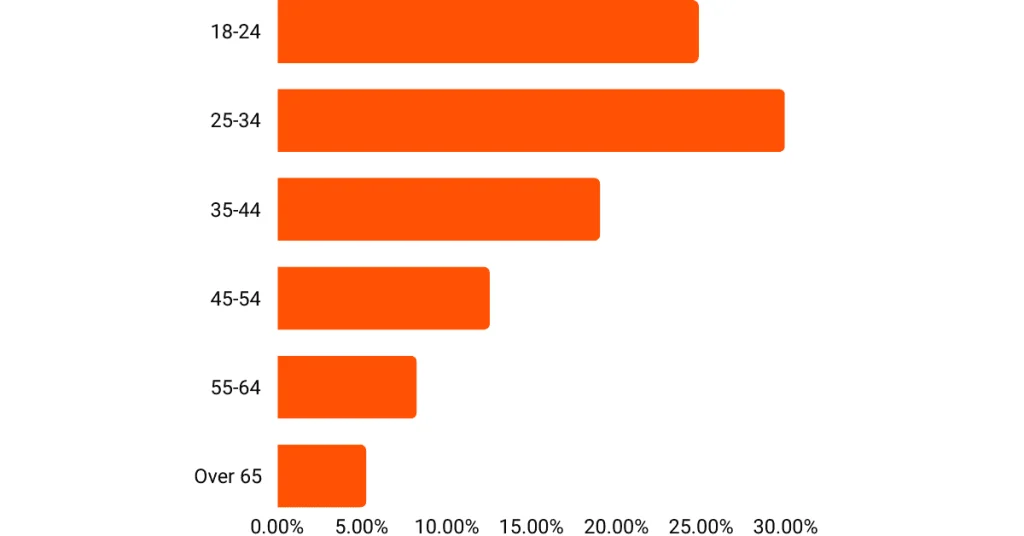
    Let’s look at the data below highlighting the demographic distribution of Google’s search audience.

    Google search Audience

    Over half of all searches come from the vibrant, tech-savvy crowd under 34 years old, making their preferences and behaviors essential for tailoring your SEO strategies.

    Impressively, 68% of online journeys start with a search engine, and SEO can generate over 1000% more traffic than organic social media, according to insights from BrightEdge and ahrefs, showcasing the incredible opportunities within SEO.

    So, how do you get started with understanding SEO in 2024?

    It boils down to three main pillars: on-page SEO, off-page SEO, and technical SEO. Each plays a crucial role in how search engines understand and rank your content.

    Brief Overview:

    On-Page SEO: Concentrates on your website’s content quality, ensuring it’s valuable, strategically uses keywords, and meets your audience’s search needs. Revamping outdated blog posts with fresh content and images can substantially increase organic traffic, a point emphasized by HubSpot.

    Off-Page SEO: It’s all about your website’s authority and how others perceive it. This includes backlinks, social media marketing, and guest blogging. Websites with a strong backlink profile are likely to rank higher. The top result on Google has 3.8 times more backlinks than positions two to ten. (Source: Backlinko)

    Technical SEO: Ensures your website is structured so search engines can easily crawl and index. This includes site speed, mobile-friendliness, and secure connections. Google has indicated that even a brief delay of one second in mobile loading times could reduce conversion rates by 20%.

    Technical SEO

    Now, let’s dive deeper into each of these pillars:

    On-Page SEO:

    • Content Quality: It’s not just about what you say but how you say it. High-quality, informative content tailored to your audience’s needs is critical. Content marketing generates leads at a rate threefold higher than that of paid search advertising. (Source: Content Marketing Institute).
    • Keywords: Understanding and implementing keyword research is vital. But it’s not just about volume; it’s about relevance and intent. Long-tail keywords, for instance, have a 3-5% higher click-through rate than generic searches. (Source: Smart Insights)
    • User Experience: Your site’s structure, layout, and visual appeal contribute significantly to on-page SEO. When websites offer engaging content and straightforward navigation, they hold visitors’ attention longer, reduce bounce rates, and increase the odds of turning those visitors into customers.

    Off-Page SEO:

    • Building Backlinks: Earning links from reputable sites not only drives traffic but also boosts your site’s credibility in the eyes of search engines. Businesses practicing consistent link-building efforts see a 2.2x increase in revenue. (Source: Moz)
    link building
    • Social Signals: Even though it’s not a direct factor in rankings, getting social with your content can increase its visibility. This means more organic links and shoutouts are likely to come your way.
    social media marketing
    • Guest Blogging: Contributing to other reputable blogs in your industry can expand your reach and authority.

    Technical SEO:

    • Mobile Optimization: With over 50% of global traffic coming from mobile devices, ensuring your site is mobile-friendly is non-negotiable. (Source: Statista)
    app store optimization
    • Site Speed: Users expect fast-loading pages. Google’s Speed Update makes load times a ranking factor, especially for mobile searches.
    • Secure Website: HTTPS is a known ranking signal. A secure site not only ranks better but also gains user trust.

    Understanding these fundamentals and keeping abreast of the latest SEO trends and algorithm updates are critical for anyone looking to make a mark in the SEO world in 2024.

    Whether it’s Google’s latest update or a shift in user behavior due to new technology, staying informed will set you apart as a freelance SEO consultant.

    2. Skill Development and Specialization

    Diving into the world of freelance SEO consulting without a robust skill set is like trying to navigate a ship without a compass.

    You know you want to reach the treasure island of success, but how do you chart the course?

    That’s where the mastery of specific essential skills comes in, and trust me, it’s not just about sprinkling keywords here and there.

    Have you ever wondered how some content just pops up first on Google? Or why do certain websites seem to have a magnetic pull for visitors?

    It all boils down to a deep understanding of SEO mechanics, from the nitty-gritty of keyword research to the analytical prowess of deciphering Google Analytics data. And in the ever-evolving landscape of SEO, specialization isn’t just a buzzword; it’s your secret weapon.

    By honing your expertise in a particular niche, be it local SEO for brick-and-mortar businesses, e-commerce SEO to skyrocket online sales, or the technical side of things to ensure websites are as sleek under the hood as they are on the surface, you set yourself apart in a sea of generalists.

    Summary:

    • Keyword Research: The bedrock of SEO. Find words your audience uses online. Use everyday language; keep it short. Identify terms in search queries. Use active voice for clarity. A solid keyword strategy can boost your content’s visibility and relevance. Did you know that 50% of search queries are four words or longer? (Source: WordStream)
    • Content Optimization: This skill is about making your content irresistible to search engines and users alike. It’s not just about keyword density; it’s about relevance, readability, and value. High-quality content can increase a blog’s traffic by up to 2,000%. (Source: MarketingSherpa)
    • Link Building: Essential for building your site’s authority and improving its ranking. Successful link-building campaigns can result in a 76% increase in monthly visits. (Source: Moz)
    • Site Audits: Conducting thorough reviews of websites to identify issues that could hamper SEO performance. Regular audits can lead to a 113% increase in clicks. (Source: SEMrush)
    • Analytics: Use Google Analytics to track performance and make data-driven decisions. Websites that leverage analytics can see a 44% increase in traffic. (Source: ClickZ)
    • Local SEO: Optimizing for local search results can lead to a 300% increase in mobile searches for “near me” queries. (Source: Google)
    • E-commerce SEO: Tailoring strategies for online stores can boost conversion rates by 200%. (Source: HubSpot)

    Now, let’s break down these skills a bit more:

    Keyword Research:

    Conduct keyword research
    • The heart of SEO lies in keyword research. It’s an art and science involving understanding your audience’s search intent and online language.
    • This skill goes beyond identifying popular terms; it’s about finding keywords that match user intent and have a high search volume with minuscule competition.
    • By mastering keyword research, you can ensure your content ranks well and attracts the right audience. It’s about getting into the minds of your potential visitors and anticipating their needs before they even type them into the search bar.

    Content Optimization:

    • Beyond stuffing articles with keywords, this is about creating content that links directly to your audience’s needs and questions, making it more likely to be shared, linked to, and, ultimately, ranked higher.
    Content Optimization

    Link Building:

    • This involves cultivating high-quality inbound links from high-authority sites, which informs search engines that your content is useable and trustworthy, enhancing your site’s authority and search rankings.

    Site Audits:

    • Please consider this a health check-up for websites, identifying issues from broken links to slow loading speeds that could keep your site from its top performance in search rankings.

    Analytics:

    • Mastery of Google Analytics opens up a treasure trove of data. This tool is indispensable, from tracking real-time user interactions to understanding the customer journey.
    • It’s not just about viewing stats; it’s about making sense of trends, bounce rates, and conversion paths. A deep dive into analytics can reveal the effectiveness of your SEO strategies, allowing for data-driven adjustments.
    website performance
    • Imagine boosting your site’s user engagement by interpreting complex data sets and making informed decisions—Google Analytics makes this possible.

    Local SEO:

    • Specializing in local SEO means optimizing your content to capture the attention of people searching for products or services in their area, which is crucial for businesses with physical locations.

    E-commerce SEO:

    • For online stores, e-commerce SEO ensures your products appear at the top of SERP, making it easier for potential customers to find and buy them.

    Developing a specialized skill set is a guiding light in the boundless ocean of SEO. It guides your efforts, ensuring they’re practical and uniquely tailored to stand out.

    Whether dissecting the complexities of Google Analytics to glean actionable insights or crafting a link-building strategy that’s as robust as it is ethical, each skill you gain expertise moves you a step nearer to being the in-demand freelance SEO consultant everyone seeks.

    The journey to SEO mastery is challenging and rewarding, and with the right tools in your belt, there’s no limit to the heights you can reach.

    Let’s embark on this journey together, one keyword, one link, and one analytic insight at a time.

    3. Building a Strong Portfolio

    Have you ever wondered how some freelance SEO consultants stand out in the crowded digital marketplace?

    The secret often lies in a compelling portfolio that speaks volumes about their skills and successes.

    Think of your portfolio as your gallery, where each piece – from detailed case studies to glowing testimonials – tells a story of your expertise and the tangible results you’ve delivered.

    But how do you craft a portfolio that showcases your talents and resonates with potential clients?

    A strong portfolio is more than just a collection of past works; it’s a testament to your ability to drive real-world results.

    Consider this: 72% of businesses say case studies are their most effective content for converting leads (Content Marketing Institute), and 92% of shoppers consult online reviews and testimonials before buying (BigCommerce).

    Moreover, incorporating growth hacks that led to significant client successes can increase your portfolio’s impact, with businesses reporting up to a 113% increase in conversion rates from such strategies (CXL Institute).

    • Showcase Diverse Case Studies: Highlight a range of projects demonstrating your SEO expertise across various industries and challenges.
    • Incorporate Growth Hacks: Detail the innovative strategies you employed to achieve remarkable client results.
    Organic traffic
    • Gather Testimonials: Include feedback from satisfied clients to build trust and credibility.
    • Before-and-After Analysis: Present clear comparisons to illustrate the impact of your work on clients’ search engine rankings, traffic, and conversions.
    • Continuous Update: Regularly refresh your portfolio with new successes to keep it current and relevant.

    Building a portfolio that captures your unique value proposition as a freelance SEO consultant is crucial. It’s not just about listing the projects you’ve worked on; it’s about weaving a narrative highlighting your strategic approach, problem-solving capabilities, and, most importantly, the measurable outcomes you’ve achieved.

    Whether it’s the dramatic improvement in search engine rankings, a surge in website traffic, or a significant uptick in conversions, your portfolio should make a compelling case for your skills.

    Remember, your portfolio is your most vital marketing tool in SEO consulting.

    4. Setting up a Freelance Business

    Setting up your own business is an exhilarating step towards independence and financial freedom, but it’s challenging. There’s a lot to consider, from navigating the maze of legal requirements to establishing a brand that resonates with trust and organic growth.

    Did you know that according to Forbes, 64% of freelancers choose this path for the lifestyle it offers?

    Yet, to truly thrive, understanding the logistics of setting up your freelance business is crucial. This includes everything from registering your business, sorting out taxes, and creating a professional website that attracts clients.

    With 97% of buyers using the web to find local businesses, as reported by the SEO Tribunal, your online presence is more important than ever.

    But where do you begin, what tools to choose, and how can you ensure your freelance business launches successfully and continues to grow?

    TL;DR:

    • Business Registration and Legal Considerations
    • Setting Up a Professional Website
    • Choosing Tools and Software
    • Defining Services and Pricing Structures

    Crafting a clear plan for your services and pricing structure is vital, ensuring you’re not underselling your expertise or overpricing and driving potential clients away.

    With 50% of small businesses failing in their first five years, as the Bureau of Labor Statistics noted, laying a solid foundation for your freelance business is non-negotiable.

    5. Finding Clients and Networking

    Launching into the freelance SEO consultancy realm brings challenges, with finding and retaining clients at the top. How do you ensure that your name stands out in a world teeming with competition?

    Networking and building a robust pipeline for new clients are not just about attending every industry meet-up or spamming LinkedIn connections; it’s about strategic engagement and creating value that draws clients to you.

    According to a LinkedIn report, 80% of professionals consider networking essential to career success. At the same time, HubSpot reveals that inbound marketing strategies, like content creation, can generate 54% more leads than traditional outbound tactics.

    prospective clients

    In this digital age, attracting new clients and networking has evolved.

    From the power of a well-crafted LinkedIn profile to community engagement on platforms like Twitter or industry-specific forums, every interaction counts.

    But where do you begin, and what strategies can you employ to ensure a steady stream of clients?

    TL;DR:

    • Leverage Freelance Platforms
    • Attend Industry Conferences
    • Network on Social Media
    • Create Valuable Content for Inbound Marketing

    Leverage Freelance Platforms:

    Platforms like Upwork and Freelancer serve as more than mere job boards; they act as conduits to a worldwide clientele, offering diverse opportunities. You can cultivate a solid professional reputation by meticulously curating your portfolio and consistently delivering top-notch work.

    This enhances your visibility and magnetizes a broader spectrum of clients toward your services, expanding your reach and potential for diverse projects.

    Attend Industry Conferences:

    Immersing yourself in industry conferences is akin to mining for networking gold.

    These events are pivotal for staying abreast of the latest SEO trends, strategies, and meaningful connections.

    Engaging in direct conversations with peers and potential clients in these settings can sow the seeds for enduring professional relationships, opening doors to collaborative opportunities and client referrals that could shape the trajectory of your freelance career.

    Network on Social Media:

    Social media platforms, particularly LinkedIn, transcend their basic functionalities to become potent freelancer branding tools.

    By actively sharing industry insights, participating in discussions, and engaging with your online community, you establish yourself as a thought leader in the SEO domain.

    This continuous engagement elevates your professional profile and attracts clients who seek the expertise and thought leadership you exhibit, thereby broadening your client base.

    Create Valuable Content for Inbound Marketing:

    Crafting informative and engaging content through blogs, case studies, and how-to guides does more than just display your SEO prowess.

    It addresses and resolves your potential clients’ queries and challenges, fostering trust and reliability even before formal engagements begin. This proactive problem-solving approach showcases your expertise and positions you as the go-to consultant when clients are ready to invest in SEO services, thus enhancing your chances of being selected for future projects.

    Navigating the path to a successful freelance SEO consultancy is about more than just your SEO skills; it’s about how effectively you can market yourself and build relationships.

    With the right mix of online presence, valuable content creation, and real-world networking, you can create a vibrant ecosystem that continually attracts new clients.

    6. Continuous Learning and Adaptation

    Embracing a culture of continuous learning can transform challenges into opportunities, ensuring you’re always at the top of your game.

    With Google’s algorithm updates rolling out faster than ever, how can you ensure that your strategies don’t just keep pace but stay ahead of the curve?

    The answer lies in continuous learning and skill enhancement. It’s a dynamic field where what worked yesterday might not hold water today.

    Moz reports that Google changes its algorithm 500 to 600 times each year. Moreover, according to Databox, 70% of marketers see SEO as more effective than PPC, highlighting the critical need to stay updated.

    The growth opportunities are endless, from deep-diving into authoritative blogs that dissect the latest SEO trends to participating in webinars that offer fresh perspectives.

    Online courses and certifications keep your skills sharp and bolster your credentials, making you a more attractive choice for potential clients.

    Staying updated with SEO isn’t just about keeping your head above water; it’s about riding the wave of digital innovation, leading to more effective strategies and, ultimately, satisfied clients.

    7. Ethics and Client Management

    Navigating the intricate world of freelance SEO consulting isn’t just about mastering the technical aspects; it’s equally about how you manage relationships with your clients. How do you ensure a steady stream of satisfied clients in an industry where the algorithms are as unpredictable as the weather?

    The cornerstone of any successful freelance venture is the ethical practice of SEO, underscored by transparency, setting realistic expectations, and fostering trust. It’s about more than just delivering results; it’s about building a reputation that stands the test of time.

    A survey from Label Insight reveals that 94% of consumers are inclined to remain loyal to brands that provide complete transparency. Salesforce’s findings indicate that 95% of customers show greater loyalty to businesses they trust.

    Furthermore, a study by Edelman found that 81% of consumers need to be able to trust the brand to buy from them.

    In SEO, where strategies and outcomes often seem shrouded in mystery to those not in the know, how do you ensure clarity and confidence in your client relationships?

    • Transparency in Strategy and Reporting
    • Setting and Managing Realistic Expectations
    • Building Trust Through Consistent Communication

    Being upfront about what your clients can expect from their SEO campaigns, your strategies, and realistic outcomes helps align visions and avoid any future disappointments. It’s about demystifying the process and making your clients feel they are in safe hands.

    Transparency and trust go beyond mere industry jargon; they are crucial pillars that can determine the success or failure of your freelance SEO business. From the initial strategy discussions to the final reports, every interaction is an opportunity to strengthen your professional relationships.

    What are the Perks of becoming a freelance SEO consultant?

    Imagine having the flexibility to choose your projects and the freedom to work from anywhere worldwide. Sounds appealing, doesn’t it?

    Beyond the allure of freedom, there’s the potential for competitive pay that directly reflects your expertise and effort. But what truly sets apart a career in freelance SEO consulting, and why are more professionals gravitating towards this path?

    The perks of this career choice extend far beyond the obvious. The benefits are manifold, from the autonomy in decision-making to the satisfaction of directly impacting businesses’ growth.

    And let’s not forget the continuous learning curve – with the SEO landscape constantly evolving, there’s never a dull moment.

    TL;DR:

    • Flexibility
    • Competitive Pay
    • Autonomy
    • Direct Impact

    Flexibility:

    The freedom to set your schedule and choose the projects that excite you most is a game-changer. It enables the possibility to juggle personal commitments alongside professional ones.

    Competitive Pay:

    Freelance SEO consultants often enjoy the ability to set their rates, which can lead to competitive earnings, especially as you grow your reputation and client base.

    Autonomy:

    Being your boss means making decisions that best suit your career goals and work style, giving you a sense of control over your professional journey.

    Direct Impact:

    Working closely with clients allows you to see the tangible results of your efforts, from increased website traffic to higher search engine rankings, which can be incredibly rewarding.

    Embarking on a freelance SEO consulting career isn’t just about enjoying the perks; it’s about leveraging them to create a fulfilling, dynamic career path.

    With the right approach, resources, and dedication to continuous improvement, the potential for growth and success in this field is substantial. Whether you’re drawn by the freedom, the pay, or the opportunity to make a direct impact, there’s no denying the allure of becoming a freelance SEO consultant.

    Challenges of Freelance SEO consultant

    The unpredictable nature of freelancing can be a thrill for some, but it also brings challenges.

    And let’s not forget about the perks of traditional employment that freelancers often miss out on. From health insurance to paid vacations, the absence of employee benefits is a stark reality in the freelance world.

    So, how do you navigate these choppy waters and keep your freelance ship sailing smoothly? It’s all about preparation, adaptability, and finding the right balance.

    TL;DR:

    1. Unpredictable Workload
    2. Lack of Employee Benefits
    3. Income Inconsistency

    Unpredictable Workload:

    The ebb and flow of projects can be challenging to manage, requiring you to be adept at juggling tasks during busy periods and proactive in seeking new opportunities during slow times.

    Lack of Employee Benefits:

    Missing out on traditional employment perks means you’ll need to make arrangements for health insurance, retirement plans, and other benefits, adding another layer of responsibility to your freelance career.

    Income Inconsistency:

    The fluctuating nature of freelance work can lead to unpredictable earnings, making financial planning and budgeting crucial skills for any freelancer.

    While the freedom and flexibility of freelancing are undeniably attractive, being aware of these challenges and preparing for them can make your journey as a freelance SEO consultant survivable and thriveable. 

    Conclusion

    Venturing to become a freelance SEO consultant is similar to setting sail on a vast ocean of opportunity. It’s a path that promises the freedom to chart your own course and the thrill of navigating through the dynamic waters of SEO.

    With every client’s success story, you’re not just boosting their digital presence but also carving out your niche in the expansive digital universe.

    But let’s pause for a moment—does the thought of making a tangible difference with your SEO skills excite you? Can you see yourself thriving amidst the challenges, armed with your expertise and a passion for continuous learning?

    Stepping into freelance SEO consulting isn’t just a career choice; it’s a bold statement of independence and a commitment to excellence.

    From mastering the nuances of SEO to building trusted client relationships, the journey is packed with learning and growth.

    And while the challenges are real, the professional and personal rewards are immeasurable. So, are you ready to dive into this vibrant community, armed with your skills and a drive to succeed? The digital world awaits your expertise, and the time to make your mark as a freelance SEO consultant is now.

    Let’s move on this exciting journey together, shaping the future of online visibility one successful project at a time.

    Frequently Asked Questions

    To thrive as a freelance SEO consultant, you’ll need to master keyword research, content optimization, technical SEO, and understand the latest algorithm updates. Continuous learning is key!

    Start by leveraging freelance platforms, networking on social media, and showcasing your expertise through valuable content. Personal branding and word-of-mouth referrals are also great strategies.

    Familiarize yourself with essential tools like Google Analytics, SEMrush, Ahrefs, and Moz for keyword research, site audits, and performance tracking to deliver top-notch SEO strategies.

    Research industry standards, evaluate your expertise level, and consider the scope of each project. Transparent communication about your pricing model with potential clients is crucial to establish trust.

  • 9 reasons to embrace freelance digital marketing in 2024

    9 reasons to embrace freelance digital marketing in 2024

    Read in 17 min

    Are you contemplating a career shift or looking to take control of your professional journey? Freelance digital marketing might be the ticket you need.

    Freelancing online marketing means helping a self-employed business provide marketing assistance for the client, usually remotely. Clients define their duties, including creating different content, such as videos, blog posts, and audio podcasts.

    This field isn’t just about promoting products or services online; it’s about carving out a unique space in the digital world where you are the architect of your success.

    But what makes freelance digital marketing so compelling, and why should you consider diving into this dynamic field?

    TL;DR

    • Be your own boss.
    • Build and elevate your personal brand.
    • Explore the creative and diverse field of freelance digital marketing.
    • Enjoy the potential for a rewarding income.
    • Achieve a healthier work-life balance.
    • Engage in continuous learning and skill development.
    • Expand your professional network.
    • Benefit from low start-up costs.
    • Secure your future in a digital-driven world.

    Why Choose Freelance Digital Marketing?

    Have you ever thought about diving into the world of freelance digital marketing? There’s a lot to love about this career path, and it’s got something for everyone.

    Let’s examine why you should consider making freelance digital marketing your next big move.

    1. Freedom to Be Your Own Boss:

    Imagine having the freedom to design your own workday. That’s one of the biggest perks of freelance digital marketing. You’re in charge, which means waving goodbye to the strict 9-to-5 grind and the confines of an office cubicle.

    Perks of freelance digital marketing

    Hello to choosing when and where you work – early mornings at a local café or late nights at your home office. This autonomy is not just about comfort; it empowers you to work at peak times, making you more productive and satisfied.

    It’s about crafting a schedule that fits perfectly with your lifestyle, allowing you to balance work with personal commitments, hobbies, or even travel.

    Embrace the freedom of being your own boss in the dynamic world of freelance digital marketing.

    2. Crafting Your Personal Brand

    Stepping into the role of a freelance digital marketer is much more than offering services; it’s about creating and elevating your personal brand. It’s a journey where you showcase your unique skills, insights, and experiences to the world.

    As you build your brand, you’re not just selling your services but establishing yourself as a thought leader and an authority in your field. This personal branding opens doors to new opportunities that go far beyond your initial service offerings.

    You might be invited to speak at industry events, collaborate with other experts, or contribute to influential publications. Your personal brand becomes a beacon, attracting clients, partnerships, and possibilities that align with your expertise and passions.

    It’s about making a name for yourself in digital marketing, turning your career into a testament to your professional journey and achievements.

    3. Versatility and Creativity

    The realm of digital marketing is incredibly diverse and expansive, offering a plethora of niches to suit various interests and skills.

    Whether your passion lies in crafting compelling narratives as a content creator, unraveling the complexities of search engines with SEO, or engaging audiences through vibrant social media campaigns, there’s a specialized area just for you.

    Perks of freelance digital marketing

    This vastness means you can tailor your career to what you love most or combine different aspects to create a unique service offering. It’s a field where creativity meets technology, allowing endless possibilities to innovate and grow.

    For those who love variety and challenge, digital marketing offers a dynamic playground where every project brings a new learning opportunity and a chance to leave a distinct mark in the digital universe.

    4. Financial Potential

    Starting a career in freelance digital marketing can provide a sense of fulfillment, and it can be financially rewarding, too, especially when you nail the right strategy and build a solid client base.

    In this arena, you’re the master of your financial destiny. You can determine your value and set your own rates, aligning them with your skills, experience, and the quality of work you deliver.

    Perks of freelance digital marketing

    Unlike traditional jobs with fixed salaries, freelance digital marketing allows you to scale your income based on your ambition, effort, and business acumen. With each successful project, you build your portfolio and enhance your ability to command higher rates.

    This financial control means you can work towards specific financial goals, whether saving up for something special, investing in your business, or simply enjoying the fruits of your hard-earned success.

    It’s all about leveraging your expertise and client relationships to create a professional and financially rewarding career.

    5. Work-Life Balance

    Freelancing in digital marketing presents a unique balance often elusive in traditional employment. It’s not just about doing a job; it’s about integrating your career seamlessly with your lifestyle.

    Imagine the freedom of working from your chosen location – be it a sunlit home office, a bustling city café, or even while traveling the world. This flexibility means you can tailor your work environment to what suits you best, enhancing productivity and personal satisfaction.

    You’re no longer bound by the constraints of a fixed office location or strict working hours, allowing you to align your professional responsibilities with personal commitments, hobbies, or family time.

    This level of control over when and where you work is a game-changer, offering a sense of balance and well-being that can contribute to a happier, more productive life. Thus, freelancing becomes more than a career choice; it’s a lifestyle choice that puts you in the driver’s seat of your life.

    6. Continuous Learning

    In the fast-paced and ever-changing landscape of the digital world, being a freelancer means you’re constantly on the learning curve.

    As a freelancer, you’re not just passively adapting but actively engaging with new ideas, tools, and methodologies. This continuous learning process is not only crucial for staying competitive, but it also keeps your work fresh and exciting. It pushes you to think creatively, experiment with new techniques, and refine your approach based on real-world feedback.

    Perks of freelance digital marketing

    Whether mastering the latest social media platform, diving into data analytics, or exploring emerging digital advertising strategies, there’s always something new to learn. This ongoing development transforms your freelance experience into a fulfilling journey. With fresh challenges every day, you can grow both personally and professionally.

    You don’t just evolve with the digital world; you thrive in it, continually enhancing your expertise and enjoying a career that never grows stale.

    7. Expansive Networking Opportunities

    In freelance digital marketing, the power of connection can’t be overstated. You open doors to a world of possibilities by reaching out and networking.

    Connecting with clients and fellow freelancers across the globe isn’t just about building a client base; it’s about forging relationships that can lead to exciting new opportunities and collaborations.

    These connections become the lifeblood of your freelance career, offering insights into different markets, access to diverse projects, and the chance to learn from and share knowledge with peers.

    Perks of freelance digital marketing

    Whether through social media platforms, professional networking events, or digital marketing forums, each interaction can spark a new idea, lead to a joint venture, or result in a long-term partnership.

    Building and nurturing these relationships in this interconnected digital age can significantly enhance your professional growth, expand your horizons, and provide a sense of community.

    It’s not just about your work; it’s about the network you build, which can be a rich source of inspiration, support, and continued development in your freelance digital marketing journey.

    8. Lower Start-Up Costs

    What does it take to kickstart a career in freelance digital marketing? You might be surprised that it doesn’t require a huge investment.

    Really, what do you need to begin? Just a reliable computer, a steady internet connection, and, most importantly, your own expertise. Think about it: no expensive office space, no fancy equipment. Just you, your skills, and a modest setup.

    This accessibility makes it an attractive option for many aspiring digital marketers. It’s all about leveraging what you already have and know. Your knowledge and experience in the field become your most valuable assets.


    Whether you’re a wizard at SEO, a social media guru, or a content creation maestro, these skills lay the foundation for your freelance journey. If you’ve been contemplating a foray into freelance digital marketing, rest assured that the barrier to entry is lower than you might expect.

    It’s a field where your talent and drive are the real game changers, making it a feasible and exciting option for many.

    9. Job Security in a Digital Age

    In today’s digital-first world, the shift of businesses towards online platforms is more pronounced than ever. This transformation has skyrocketed the demand for digital marketing expertise, providing job security that’s hard to ignore.

    But why is this trend so significant?

    Consider recent industry examples, from small local businesses enhancing their online presence to large corporations investing heavily in digital advertising and e-commerce strategies. This surge is not just a response to the global pandemic; it reflects a long-term shift in consumer behavior and business operations.

    In this landscape, skills in digital marketing are more valuable than ever. Whether it’s helping a local bakery establish a robust social media presence or assisting a multinational brand in executing a sophisticated SEO strategy, the opportunities are vast and varied.

    As businesses prioritize digital channels, the need for skilled marketers to navigate these platforms grows. This isn’t a temporary spike in demand but a fundamental change in the business world.

    As a freelancer in this field, you’re not just riding a wave; you’re part of a significant shift in how businesses interact with customers. This ongoing demand offers a sense of job security that’s rare in many fields, especially in an era where market changes can be unpredictable.

    So, suppose you’re considering a career in freelance digital marketing. In that case, you’re looking at a path with immediate benefits and long-term potential in an ever-growing digital landscape.

    What does a freelance digital marketer do?

    Picture this: On a bright winter afternoon, you are enjoying a warm cup of coffee at your favorite coffee shop, laptop open, creatively crafting strategies that help businesses reach their full online potential.

    That’s a day in the life of a freelance digital marketer.

    But what exactly does this role entail? It’s not just about being tech-savvy or a social media whiz.

    At its core, freelance digital marketing is about harnessing a unique blend of creativity, analytical skills, and business acumen to drive successful online campaigns.

    As a freelance digital marketer, you’re the architect of online success stories. You analyze market trends, develop targeted marketing strategies, and craft compelling content that easily resonates with your audience.

    But it’s not all about creative prowess; strong business skills are crucial. You must manage client relationships, negotiate contracts, and set business goals. It’s a balancing act between being a creative thinker and a savvy businessperson.

    Additionally, you’re in charge of staying ahead of digital trends.

    This involves continuous learning and adapting to new tools and platforms. You must be versatile and agile, from Search Engine Optimization (SEO) and Pay-Per-Click (PPC) advertising to Email Marketing and Social Media Management.

    Your goal? Ensure that the businesses you work with survive and thrive in the digital landscape.

    TL;DR:

    • Craft and implement creative digital marketing strategies.
    • Analyze market trends and adapt campaigns accordingly.
    • Utilize strong business skills for client management and negotiation.
    • Embrace continuous learning to stay ahead of digital trends.
    • Manage a balance between creativity and business acumen.
    • Be versatile in skills, from SEO to social media management.

    In the following sections, we’ll explore these aspects in more detail, revealing how a freelance digital marketer blends creativity with business skills to fuel success in the digital world. However, before we do that, let’s dive into the perks of being a freelance digital marketer.

    What skills or knowledge are needed to get into freelance digital marketing?

    Embarking on a career in freelance digital marketing? It’s an exciting journey, but what does it take to dive into this dynamic field successfully?

    Whether you’re just starting out or looking to shift gears professionally, understanding the essential skills and knowledge for freelance digital marketing is critical. It’s not just about having a knack for social media or being a tech enthusiast; this field demands a unique blend of creativity, analytical ability, and continuous learning.

    At the heart of this are two critical skills: data analytics and content creation.

    Data analytics lets you understand market trends and search engine optimization, measure campaign success, and make data-driven decisions.

    On the other hand, content creation is the art of crafting messages that resonate with audiences, driving engagement and conversion. But these are just the tip of the iceberg. The world of digital marketing is vast, requiring a diverse set of skills to excel truly.

    TL;DR:

    • Essential skills for freelance digital marketers.
    • Importance of data analytics in understanding market trends and measuring success.
    • Role of content creation in engaging and converting audiences.
    • Overview of diverse skills required in the digital marketing field.

    In the following sections, We will explore the skill set that can make you stand out in the freelance digital marketing industry, from the analytical prowess of data interpretation to the creative finesse of content crafting.

    1. Search engine optimization (SEO)

    Ever wondered how some websites always pop up first when you’re searching online? That’s the magic of Search Engine Optimization, or SEO as we often call it. It’s all about making your website more appealing and noticeable to search engines like Google.

    The goal? To boost your organic traffic – those visitors who find your site naturally through search engine queries.

    Search engine optimization

    SEO isn’t just about stuffing keywords; it’s a sophisticated dance of quality content, keyword research, and understanding search engine algorithms. Whether you’re a blogger, running an e-commerce site, or managing a corporate website, mastering SEO can be a game-changer.

    It’s a skill that elevates your online presence, connecting you with the right audience at the right time.

    2. Search engine marketing (SEM)

    So, you’ve heard about driving organic traffic with SEO, but what about when you want to give your online presence an extra push? Enter Search Engine Marketing, or SEM.

    This is where you play in the big leagues of paid traffic. Think of SEM as your fast pass to visibility on search engine results pages. It’s not just about throwing money at ads; it’s a strategic game of choosing the right keywords, crafting compelling ad copy, and smartly allocating your budget.

    SEM can be your powerhouse if you aim to boost sales, increase sign-ups, or simply raise brand awareness. With the right approach, it can offer immediate visibility and measurable results.

    3. Social media marketing (SMM)

    Ever scrolled through your social media feed and found an ad that felt like it was speaking directly to you? That’s the power of social media marketing done right. It’s all about connecting with your target audience, who spend a lot of time on social platforms.

    Social Media Marketing

    SMM isn’t just about posting regularly; it’s a strategic mix of content creation, engagement, and targeted social media advertising. Each platform, Instagram, Facebook, or LinkedIn, has its unique audience and style.

    Mastering social media marketing means understanding these nuances and crafting campaigns that resonate with your specific audience. It’s about striking the right chord with your followers and using the sophisticated targeting tools of social media advertising to reach potential customers.

    4. Content marketing

    Imagine this: you’re crafting stories and messages so compelling that your target audience can’t help but engage. That’s the essence of content marketing.

    Content Marketing

    It’s not just about selling; it’s about connecting through valuable, relevant content. According to recent statistics, content marketing is 62% less expensive than traditional marketing and generates 3X as many leads. It’s no wonder why it’s a go-to strategy.

    Whether it’s blog posts, videos, or infographics, the goal is to provide your audience with content that they find helpful and engaging.

    This approach helps build trust and authority, turning casual visitors into loyal customers. And when combined with targeted social media advertising, your content can reach and resonate with even more of your audience.

    5. Email marketing

    Email has an ability many channels don’t: creating valuable, personal touches – at scale.

    This quote from David Newman, a renowned marketing guru, perfectly encapsulates the essence of email marketing. But why email? Well, it’s all about the incredible return on investment.

    Email Marketing

    Statistics prove that it offers a staggering return of $36 for every $1 spent. Email marketing isn’t just about sending messages; it’s a strategic art of crafting personalized content that resonates with your audience.

    It’s about knowing your audience well enough to send them exactly what they need at the right time. Whether promoting a product, sharing news, or simply keeping in touch, email marketing can be a powerful tool in your digital arsenal.

    6. Influencer Marketing

    Have you noticed how some brands pop into the digital space thanks to a shoutout from a famous influencer? That’s the power of influencer marketing at play, leveraging the personal brand of influencers to boost your own.

    It’s a strategy that’s gaining serious traction.

    Influencer Marketing

    Did you know influencer marketing will grow by about 30% annually through 2028? That’s right! Recent statistics reveal that the power of influencer marketing is on the rise.

    The secret sauce? Authenticity.

    Working together with influencers who align with your brand’s ethos can enhance the credibility of your products and make them more relatable to their dedicated followers.

    It’s not just about riding on their popularity; it’s about creating a genuine connection between their personal brand and yours. 

    7. Affiliate Marketing

    Earning money while you’re off the clock is what makes affiliate marketing so appealing. This strategy isn’t just a fleeting trend; it’s a solid approach many use to create passive income streams.

    Consider this: 81% of brands are tapping into the power of affiliate programs.

    Affiliate Marketing

    The idea is straightforward but impactful: You can earn commissions by promoting others’ products and driving sales or leads.

    The key is choosing products your audience will love and weaving these recommendations naturally into your content. Whether it’s blog posts, social media updates, or email newsletters, effective affiliate partnerships can transform your digital presence into a source of revenue.

    8. Display Advertising (PPC & Display Ads)

    Navigating digital advertising through platforms like Google Ads and Facebook Ads unlocks marketing potential.

    On average, businesses earn $2 in revenue for every $1 spent on Google Ads. That’s a testament to the power of well-executed digital ad campaigns.

    Pay per click

    Pay-per-click (PPC) and display ads aren’t just about getting clicks; they’re about strategically placing your brand in front of the right people.

    Google Ads offers the advantage of appearing right when someone searches for your product or service, while Facebook Ads excel in targeting based on detailed demographics and interests. Whether it’s driving traffic, generating leads, or boosting sales, mastering these platforms can turn your digital advertising efforts into measurable success.

    9. Website design & UX

    Let’s talk about the unsung heroes of the digital world: website design and user experience (UX), especially in blogging.

    Did you know that if a website’s layout or content is unattractive, 38% of visitors will leave?

    Website design

    That’s where good design and UX come into play. It’s not just about making a site look pretty; it’s about creating a seamless, enjoyable experience for your blog readers.

    Every element matters, from the layout that greets them to the ease with which they navigate your content. Whether you are an experienced blogger or a beginner, understanding the principles of effective website design and UX can significantly impact your blog’s success.

    10. E-commerce marketing

    Diving into e-commerce marketing is like entering a bustling digital marketplace where the competition for sales is fierce, but the rewards are substantial.

    Here’s an interesting nugget: e-commerce sales are expected to reach 41% of global retail sales by 2027.

    That’s an enormous pie to get a slice of, and it all starts with finding clients online. But how? It’s more than just listing products; it’s about strategically positioning your brand digitally.

    ecommerce marketing

    With around 75% of people shopping online at least once a month, the opportunity is immense. Effective e-commerce marketing combines the art of engaging content, savvy SEO, and targeted advertising to not only attract customers but also retain them.

    It’s a continuous process of fine-tuning your strategies to meet changing consumer behaviors and trends. Whether you’re a small startup or an established online store, the right e-commerce marketing tactics can significantly boost your sales.

    11. Data analytics & reporting

    Let’s explore the world of data analytics and reporting, where numbers tell a story crucial to your marketing strategy.

    Here’s a thought: Companies that use data to make marketing decisions are six times more likely to be consistently profitable. That’s a statistic that can’t be ignored.

    Data Analytics & reporting

    In marketing analytics, it’s all about dissecting data to understand what’s working and what’s not. It’s like being a detective, where every click, like, and share holds a clue to your strategy’s success.

    With over 40% of marketers saying that lack of data and analytics is their most significant barrier to success, mastering this skill is more critical than ever.

    Whether you’re analyzing website traffic, social media engagement, or email open rates, the insights gained from marketing analytics are invaluable. They guide your decisions, refine your tactics, and, ultimately, drive better results.

    Digital marketing trends in 2024

    As we navigate through 2024, the digital marketing landscape is constantly changing and evolving quickly. Whether you’re looking to generate passive income, enjoy the freedom to work from anywhere, or find new ways to make money online, staying ahead of these trends is crucial. Let’s explore the top seven trends currently shaping the world of digital marketing.

    AI and Machine Learning

    The landscape of digital marketing is undergoing a major transformation thanks to the advancements in Artificial Intelligence. A staggering 80% of businesses are expected to have some form of AI in operation by the end of 2024. AI’s ability to analyze consumer behavior and search patterns empowers marketers to offer users more personalized experiences.

    Voice Search Optimization

    With 50% of all searches projected to be voice-based in 2024, optimizing for voice search is no longer optional. This trend is changing the SEO landscape as marketers adapt their content for more conversational search queries.

    Interactive Content

    Engagement is critical, and interactive content leads the way. Statistics show that interactive content drives 2x more engagement than static content. This includes everything from quizzes and polls to interactive videos, offering users a more engaging experience.

    Video Marketing

    Video continues to dominate. By 2024, it’s anticipated that more than 82% of all internet traffic (consumer) will be comprised of online videos. This surge underscores the importance of incorporating video into your digital marketing strategies.

    Influencer Marketing

    Trust in traditional advertising is dwindling, but influencer marketing is soaring. With a 13% increase in budget allocation for influencer marketing in 2024, it’s clear that authentic voices are driving consumer decisions.

    E-commerce Personalization

    Personalization in e-commerce isn’t just a trend; it’s a necessity. Statistics show that personalized shopping experiences can drive a 20% increase in sales. Tailoring user experiences based on their preferences and behaviors is becoming standard practice.

    Sustainability and Ethical Marketing

    Ethical marketing is rising as more consumers prioritize sustainability. A recent survey found that 73% of Millennials are willing to pay more for sustainable products. This shift is pushing brands to adopt more eco-friendly and ethical marketing practices.

    Each trend offers unique opportunities for digital marketers looking to innovate and stay ahead in 2024.

    Whether leveraging AI for better customer insights, optimizing content for voice search, or engaging audiences with interactive and video content, these trends are reshaping how we approach digital marketing.

    They not only promise more effective strategies but also offer the potential for greater freedom, passive income, and diverse ways to make money online.

    To achieve success in the fast-paced and highly competitive field of digital marketing, staying up-to-date with the latest trends is not an option; it is an absolute necessity.

    Financial Considerations

    When diving into freelance digital marketing, it’s not just about creativity and strategy – your financial savvy plays a crucial role, too. Dealing with hourly rates and the sometimes erratic nature of earnings can be challenging, but fear not! Let’s walk through a practical checklist to help you confidently navigate these financial waters.

    1. Setting Your Hourly Rates: Start by researching the industry standards, but remember to factor in your experience, expertise, and the specific services you offer. Remember, your rates should reflect the value you provide, not just the time you spend.
    2. Managing Erratic Earnings: Some months are a feast; others are a famine. To smooth out these fluctuations, mix short-term and long-term projects. Also, building an emergency fund for leaner months can be a lifesaver.
    3. Budgeting for Taxes: As a freelancer, taxes are your responsibility. It’s essential to allocate a portion of every payment received towards taxes. This will ensure you have enough money to pay your taxes when they are due. It’s a good idea to consult a tax professional to understand your obligations.
    4. Tracking Business Expenses: Keep meticulous records of all business-related expenses. This includes software subscriptions, marketing costs, and even a portion of your internet bill. These can be tax-deductible, reducing your overall tax burden.
    5. Planning for Health Insurance and Retirement: Unlike traditional employment, you won’t have employer-sponsored health insurance or retirement plans. Research your options and include these costs in your financial planning.
    6. Regular Financial Reviews: Schedule time each month to review your finances. This includes checking on the status of invoices, analyzing your spending, and planning for upcoming expenses.
    7. Investing Back into Your Business: Part of your earnings should go back into growing your business, whether for professional development, new tools, or marketing efforts.
    8. Negotiating Payment Terms: Be clear about payment terms before starting a project. Consider asking for a deposit upfront and having a contract to protect both parties.
    9. Diversifying Income Streams: Don’t put all your eggs in one basket. Look for opportunities to diversify your income, such as offering training sessions, writing an eBook, or affiliate marketing.

    This checklist is about financial management and empowering freelance digital marketers to make informed decisions that support their careers. By mastering these aspects, you’ll find that dealing with hourly rates and erratic earnings becomes much less intimidating, paving the way for a more secure and prosperous freelance journey.

    So You Want to Become a Freelance Digital Marketer: Next Steps

    Thinking about taking the leap into the world of freelance digital marketing? It’s a path that can lead to unparalleled financial freedom and the exhilarating experience of being your boss.

    But how do you start?

    Whether you’re a complete novice or have some knowledge, the journey to becoming a successful freelance digital marketer is filled with learning, growth, and strategic planning.

    From picking your niche to building a solid online presence, each step is crucial in carving out your space in the digital world.

    Let’s explore the roadmap that will guide you through this exciting journey, ensuring you’re well-equipped to tackle the dynamic world of digital marketing.

    • Research and understand the basics of digital marketing.
    • Choose a specific niche or service you’re passionate about.
    • Upskill through online courses, workshops, and webinars.
    • Build a solid personal brand online.
    • Develop a showcase of your talents and completed projects.
    • Engage with fellow digital marketing professionals and prospective clients.
    • Formulate a pricing plan that aligns with your expertise and the current market needs.
    • Launch a website or blog to highlight your services and expertise.
    • Offer your services for free or at a discounted rate initially to gain experience.
    • Collect testimonials and feedback from early clients.
    • Keep abreast of the most recent developments and tools in digital marketing.
    • Set short-term and long-term professional goals.
    • Consider specializing further as you gain more experience.
    • Embrace continuous learning and skill enhancement.
    • Leverage social media for self-promotion and networking.
    • Experiment with different marketing strategies for your brand.
    • Learn about managing finances, like setting aside money for taxes.
    • Prepare for the fluctuating nature of freelance income.
    • Prepare for your financial stability and retirement in the long run.
    • Celebrate your successes and learn from challenges.

    Embrace the journey to becoming a freelance digital marketer, where the path to financial freedom and being your own boss is as enriching as it is challenging. It’s a world where dedication, continuous learning, and adaptability are your best assets.

    Pros and cons of becoming a freelance digital marketer

    Embracing a career in freelance digital marketing comes with its unique advantages, like financial freedom and the joy of being your own boss.

    However, it’s also crucial to be mindful of the challenges, such as erratic earnings and the absence of traditional job securities. Weighing these pros and cons is essential for anyone considering this dynamic and rewarding career path.

    Pros:

    • Complete control over choosing clients and projects.
    • Flexibility to work from anywhere, fitting work around your lifestyle.
    • Financial freedom with the potential for higher earnings than traditional employment.
    • Being your own boss, with the autonomy to make all business decisions.
    • Opportunity to explore a variety of projects, avoiding the monotony of routine work.
    • Enhanced work-life balance, allowing more time for personal pursuits.
    • Continuous learning and professional growth in an ever-evolving industry.

    Cons:

    • Erratic earnings, with income fluctuations month-to-month.
    • Lack of traditional employment benefits like healthcare and retirement plans.

    Conclusion

    As we wrap up this exploration into freelance digital marketing, it’s clear that this path is lined with exciting opportunities and notable challenges.

    Yes, you might face erratic earnings occasionally, but remember, with every risk comes potential rewards. The path toward financial freedom is not just about income; it’s about the empowerment of being your own boss and making decisions that align with your personal and professional values.

    Being a freelance digital marketer means embracing a lifestyle of flexibility, creativity, and continuous growth. It’s about writing your own success story in the digital world, where you have the steering wheel, navigating through the ever-changing digital marketing landscape.

    So, if the idea of charting your own course, creating your schedule, and tapping into the vast potential of the digital realm excites you, then freelance digital marketing could be your calling.

    It’s not just a career choice; it’s a lifestyle choice that opens doors to endless possibilities. While the path may have its ups and downs, the journey toward mastering this dynamic field is undoubtedly rewarding.

    Frequently Asked Questions:

    Look for freelance digital marketing jobs on Upwork, Freelancer, and LinkedIn platforms. Niche digital marketing job boards and industry-specific forums are great places to find tailored opportunities.

    Absolutely! There are numerous online resources, including courses on platforms like Coursera, Udemy, and LinkedIn Learning, as well as free resources like blogs, webinars, and YouTube channels dedicated to digital marketing.

    Start with understanding the fundamentals via online learning platforms and enhance your abilities by working on personal projects or through internships. Build a portfolio to showcase your work and start with small, manageable projects to gain experience.

    Consider if you enjoy working independently, are self-motivated, and can handle the uncertainties of fluctuating income and workloads. Freelancing suits those who prefer flexibility and autonomy in their work life.

    Start by creating a compelling portfolio and profile on freelancing websites. Expand your network in both digital and real-world spaces, promote your services to community businesses or on social platforms, and think about initially providing your services at a lower cost to develop your portfolio.

Get 50 Actionable insights to

  • Supercharge your Marketing
  • Achieve 10X Productivity
  • Earn your first $1000 online
Bonus: You will get my free newsletter, delivered weekly.

No Spam. No fluff. Unsubscribe Anytime

50 Actionable insights

Unlock the secrets of top 1% digital entrepreneurs to achieve financial freedom.

yours free!

Bonus: You will get my free newsletter, delivered weekly.

No Spam, No Fluff. Unsubscribe Anytime

error: Protected content