Category: SEO


Welcome to our SEO blog category, a comprehensive resource dedicated to explaining the intricacies of search engine optimization. Here, you’ll find in-depth articles, updated strategies, and actionable tips designed to boost your online visibility and drive more traffic to your website.

  • Adding Keywords: 7 Essential Tips to Boost Your SEO Impact

    Adding Keywords: 7 Essential Tips to Boost Your SEO Impact

    Read in 9 min

    Do you need help to boost your search engine rankings? You’re not alone.

    Understanding how to strategically add keywords to your content can transform your SEO efforts from miss to hit. Keywords are the backbone of SEO; they help your content get discovered by the right audience.

    insert keywords

    But there’s a fine art to adding keywords effectively without sounding like a robot.

    In this post, I’ll walk you through seven crucial tips to make your content not only visible but also valuable in the eyes of search engines.

    Imagine tapping into the potential of SEO just by tweaking how and where you add keywords.

    Recent data suggests that websites optimized for keywords are significantly more likely to gain higher search engine positions. It’s not just about sprinkling fancy terms; it’s about strategic placement, understanding user intent, and making adjustments based on analytics.

    Here’s what we’ll cover to boost your SEO impact through practical keyword usage:

    TL;DR

    • Understand the basics of keyword research.
    • Learn where and how to embed keywords seamlessly.
    • Avoid common pitfalls like keyword stuffing.
    • Explore tools for better keyword analysis and tracking.

    1. Getting Started With Adding Keywords For SEO

    Search Engine Optimization may seem like a complex web of tactics. Still, at its core, it’s about making your website more visible to those looking for what you offer.

    How does SEO achieve this?

    Primarily by improving your ranking on search engines like Google, Bing, and others. This is where keywords come into play—the guideposts that direct traffic to your site.

    Why should you be concerned about your search engine ranking?
    most important places

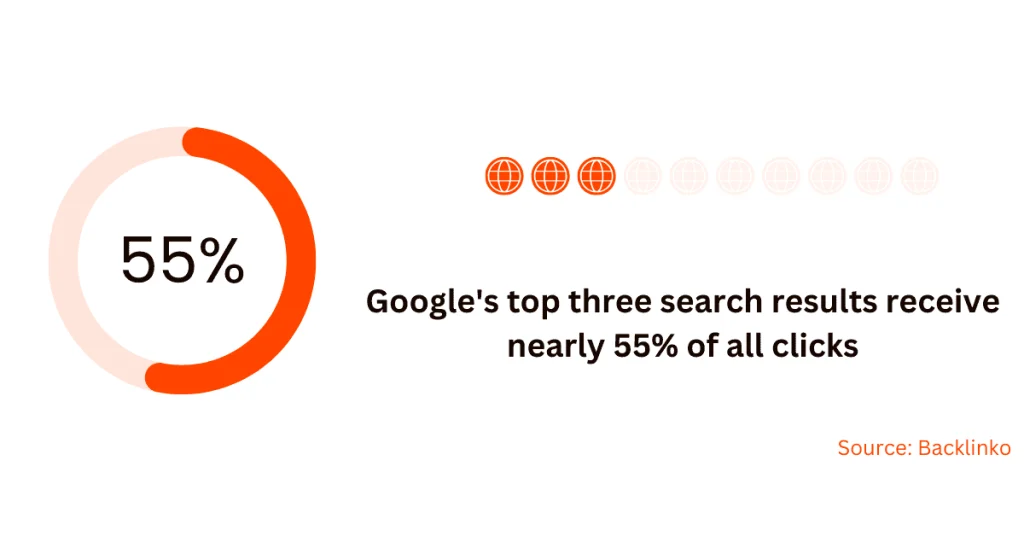
    Consider this: Google’s top three search results receive nearly 55% of all clicks (Backlinko). With billions of searches happening daily, appearing at the top means tapping into a vast potential audience.
    best practice

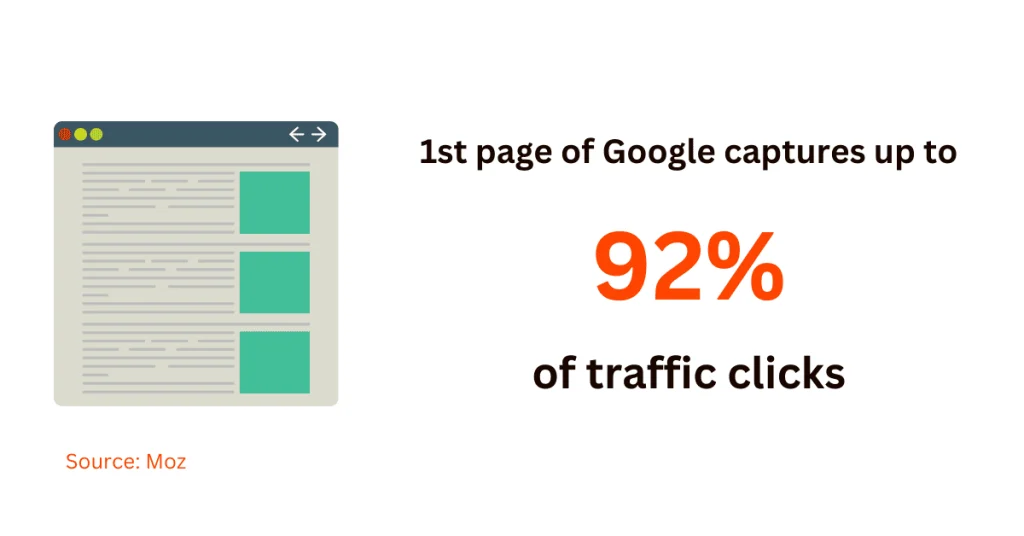
    Even more compelling, a study by Moz highlighted that the first page of Google captures up to 92% of traffic clicks. This stat alone makes a strong case for why optimizing your keyword strategy can’t be overlooked.

    But how exactly do keywords improve your SEO ranking? Keywords direct search engines to your content, indicating that it is relevant to users’ queries.

    Search engines aim to maximize this relevance when presenting results to users, striving to connect their searches with the best content. It’s about having relevant keywords and where you place them: in your titles, headers, body, and even meta descriptions.

    The Relationship Between Keyword Research and SEO

    Understanding keyword research is crucial because it determines the success of your SEO efforts.

    Are you targeting the terms your potential customers are searching for?

    choose keywords

    Keyword research involves identifying famous words and phrases that people enter into search engines. Tools like Ahrefs, Google Keyword Planner, or SEMrush can provide insights into search volume, competition, and relevance, helping you refine your strategy and prioritize terms that offer the highest potential return on investment.

    As we go deeper into SEO and the critical role keywords play, remember that the ultimate goal is to increase traffic and drive the right kind of traffic—visitors who are genuinely interested in what you offer.

    This strategy ensures that your site not only climbs in ranking but does so in a way that enhances both visibility and engagement.

    2. Understanding Keyword Research

    Keyword research is your roadmap to SEO success. 

    exact keyword

    To get started, you can use tools like Google Keyword Planner, Ahrefs, and SEMrush. These tools not only help you find keywords but also provide insights into their search volumes, competition, and relevance. This data is invaluable as it guides you in selecting optimal keywords for your content and can improve your ranking on search engines.

    But what types of keywords should you focus on? Let’s break it down:

    Types of Keywords and Their Significance

    • Primary Keywords are the main terms describing your content’s overall topic. They’re vital for improving your ranking and helping search engines understand your page.
    • Long Tail Keywords: These are specific, less competitive phrases highly targeted to your audience. They’re excellent for drawing in qualified traffic and boosting your SEO efforts.

    Effective keyword research isn’t just about knowing what tools to use; it’s about understanding how to use them to uncover the correct terms to drive your content strategy.

    Step-by-Step Approach to Keyword Research

    • Identify your core topic.
    • Generate keyword ideas using research tools.
    • Analyze the search volume.
    • Look at the keyword competition.
    • Consider keyword relevance.
    • Select a mix of primary and long-tail keywords.
    • Finalize your keyword list.

    By systematically following these steps, you position your content to be both seen and relevant. The aim of keyword research is not merely to increase traffic but to attract the type of visitors who are most likely to convert into loyal customers.

    3. Why is learning how to add SEO keywords important?

    Choosing the right keywords is pivotal for boosting your SEO and connecting with your target audience.

    Think of it as tuning into your audience’s frequency using search volume, competition, relevance, and searcher intent. Why is this crucial? It shapes how well your content performs on-page SEO and helps you connect more effectively with your audience through their search queries.

    Search Volume and Competition: Why Both Matter

    • Search Volume refers to the number of times a keyword is searched for within a given timeframe. High search volume means high interest, but it often comes with high competition.
    • Competition: This measures how many other websites are targeting the exact keywords. Lower competition can mean easier ranking opportunities, even if the search volume isn’t sky-high.

    Relevance and Searcher Intent: The Heart of Keyword Strategy

    • Relevance: Keywords must be relevant to your content. This ensures that your site answers the questions your audience is asking.
    • Searcher Intent: Understanding why someone searches for a term is vital. Are they looking to buy, learn, or find a specific website? Tailoring content to this intent can dramatically improve your SEO effectiveness.

    The Power of Long-Tail Keywords

    Focusing on long-tail keywords—those specific, often longer queries made by searchers—can significantly enhance targeting. These keywords usually have less competition and a more precise intent, which can lead to higher conversion rates than more generic searches.

    Summary of Key Points

    • Consider search volume and competition balance.
    • Ensure keyword relevance to the content.
    • Align keywords with searcher intent.
    • Prioritize long-tail keywords for better targeting.

    By integrating these strategies, you can create more focused, effective content that speaks directly to your audience’s needs and interests.

    4. Where to Use Keywords in Your Content Writing

    Placing keywords strategically throughout your content is crucial in boosting SEO and ensuring your web pages are visible to the right audience.

    Let’s look at where to insert keywords to maximize their impact without falling into the trap of keyword stuffing.

    Use Keywords in a Meta Description

    A meta description is a summary below your page title in search results. Including keywords here improves your page’s relevance to search queries and entices readers to click through.

    Use Keywords in a Meta Title Tag

    Your meta title tag is your content’s headline on search engine results pages. It’s crucial to add keywords here as it facilitates search engines in understanding the main focus of your page, directly impacting your ranking and visibility.

    Use Keywords in Anchor Text Links

    When linking to other pages, using keywords in your anchor text helps improve SEO by showing how pages are interlinked and relevant to specific topics. It’s also useful for users navigating your site.

    Use Keywords Within the First 200 Words

    You incorporate keywords early in your content to signal to search engines, which is the main focus of your article right from the start. This helps align the user’s search intent with the content they find.

    Adding Keywords in Image Alt-tags

    Image alt-tags describe pictures to search engines and are crucial when images can’t be displayed. Keywords in these tags help improve the discoverability of your visuals in image searches.

    alt tag

    Adding Keywords in Headings (H1s, H2s, H3s, etc)

    Including keywords in headings helps structure your article and makes it easier for search engines to grasp your content’s main and subsidiary topics, enhancing user experience and SEO.

    Keywords in Heading 1s (H1s)

    Your main heading or H1 should contain the primary keyword to emphasize the overall theme of your page. It sets the tone and topic at the very beginning of your content.

    Keywords in Heading 2s (H2s)

    Use secondary keywords in your H2s to support the main keyword, outlining related subtopics or details that enrich your main content.

    Keywords in Heading 3s (H3s)

    H3s can further break down the information from your H2 sections. Inserting keywords here pinpoints more specific details or aspects of the overall topic.

    Key Points

    • Keywords in meta descriptions and title tags.
    • Keywords in anchor text and the first 200 words.
    • Keywords in image alt-tags and headings.

    With these strategies, you’re equipped to enhance your content’s visibility and effectiveness on search engines.

    5. WARNING: Avoid Keyword Stuffing

    Mastering the right balance of keywords on your web page is crucial for effective on-page SEO.

    Packaging your content with as many keywords as possible might be tempting to climb higher in search rankings. Still, this tactic, known as keyword stuffing, often backfires. Instead, it’s better to focus on keyword density—the proportion of keywords to the total words on your page.

    Aim to sprinkle keywords thoughtfully throughout your content rather than cramming them in every sentence.

    This keeps your content reader-friendly and aligns with search engine guidelines, helping you avoid penalties for keyword stuffing.

    Remember, the goal is to make your content as accessible and engaging for humans as it is optimized for search engines.

    What makes a ‘good’ keyword density for your website?

    What’s the best keyword density for your content?

    There’s no strict rule, but most SEO experts recommend keeping it between 1-2%.

    This means your keyword should appear about once or twice per 100 words. This guideline helps ensure your content stays approachable and transparent, avoiding the pitfalls of spam filters or annoying your readers.

    Why is this important?

    Search engines employ sophisticated algorithms to assess content quality, penalizing sites for overloading keywords to game the system. Keeping your keyword use balanced is vital to maintaining readability for your audience and credibility with search engines. 

    A study by Moz suggests that pages with a keyword density closer to 2% perform better in search results as they appear more natural and user-focused.

    However, it’s about more than sticking to these percentages. The placement of your keywords—for example, in headings, subheadings, and the first 200 words—can also significantly impact their effectiveness.

    Ensuring your keywords are used contextually within high-quality, valuable content is vital. Think about how your keywords can enhance the reader’s understanding and engagement with the topic rather than just filling space.

    Remember, while optimizing for search engines, your primary focus should still be providing value to your readers.

    Does your content answer questions and solve problems?

    Are you enriching the reader’s experience with insightful information?

    These considerations should guide your keyword strategy to improve rankings and connect with and convert your target audience.

    By maintaining a balanced keyword density and focusing on quality content, you can effectively avoid the pitfalls of keyword stuffing and make your SEO efforts count.

    Quick recap

    • Ideal keyword density is between 1-2%.
    • Excessive use of keywords can trigger penalties from search engines.
    • It’s vital to place keywords thoughtfully in headings, subheadings, and the early parts of your content.
    • Focus on contextual use of keywords within high-quality content.
    • Aim to provide value to readers, enhancing engagement and solving problems.
    • Maintaining balanced keyword density avoids keyword stuffing and optimizes SEO efforts.

    6. Using Related Keywords and Synonyms

    Expanding your SEO strategy to include LSI (Latent Semantic Indexing) keywords and synonyms makes your content more engaging and boosts your rankings on search engines.

    What are LSI keywords, you ask?

    They’re related terms that help search engines better understand your content’s context, improving its relevance and the overall user experience.

    By weaving these keywords into your content, you avoid the monotony of repeating the exact keywords and enhance the richness of the information you provide.

    Latent Semantic Indexing: Enhancing Content Relevance

    Latent Semantic Indexing might sound technical, but it’s about making your content more thoughtful and more connected to what search engines and readers are looking for.

    LSI keywords help clarify your content’s relevance and intent, which can enhance its ranking and visibility. If your primary keyword is “healthy eating,” LSI keywords could include “nutritious recipes,” “balanced diet,” and “calorie intake.”

    But why does this matter? Search engines focus on user intent and content quality, not just keyword repetition.

    A study by SEMrush found that content enriched with relevant LSI keywords ranks better because it appears more natural and comprehensive. This doesn’t just improve SEO; it makes the content more informative and valuable, which readers appreciate most.

    Incorporating LSI keywords means thinking beyond the obvious. It requires understanding your topic and what your audience might think about when exploring related issues.

    How does your content answer the direct queries and related ones they have yet to ask? By weaving synonyms and associated terms throughout your article, you ensure that your content resonates more deeply, providing value that keeps readers coming back.

    With this strategy, you aim to create content that fully serves the reader’s needs, enhancing their experience and your site’s authority.

    7. Monitoring and Adjusting Keywords

    Tracking the performance of your keywords and on-page SEO is crucial if you want to keep your content relevant and ranking high in search engines.

    Inserting keywords into your content and meta descriptions is not enough; you need to monitor their impact over time. Google Analytics can help you see which keywords attract traffic and which ones might need a rethink.

    But why stop just watching their performance?

    Based on the data you gather, you can start to tweak and adjust your keywords to better align with SEO trends and changes in user behavior.

    Perhaps a keyword that once brought you a lot of traffic has decreased in effectiveness. Or maybe there are new, relevant keywords on the rise that you haven’t considered yet. Regularly updating your keywords ensures that your content stays competitive and visible to your target audience.

    Here are some actionable tips for keeping your keyword strategy sharp:

    • Regularly review keyword performance metrics in Google Analytics.
    • Update and adjust your keywords in response to changes in search trends.
    • Refine your meta descriptions and on-page content to incorporate new, high-performing keywords.
    • Keep an eye on your page ranking changes and optimize content to boost underperforming keywords.

    Key Points

    • Track keyword performance with tools like Google Analytics.
    • Tweak keywords based on their effectiveness and SEO trends.
    • Update meta descriptions and content with new, relevant keywords.
    • Monitor and adjust page rankings.

    With these practices, you can ensure that your site not only keeps up with the evolving digital landscape but also continues to engage and attract your ideal audience.

    Final Thoughts

    As we wrap up our exploration of adding keywords to your content, remember that the proper use of keywords is not just about inserting them into your content and meta descriptions.

    It’s about understanding and implementing strategies that enhance your site’s visibility and ranking. With the right approach to keywords for SEO, your content can do more than just appear in search results—it can effectively engage and convert your target audience.

    So, what are the key takeaways from our discussion?

    First, focus on relevant keywords that resonate with your audience’s search queries.

    Then, strategically place these keywords in your meta descriptions, headings, and content to optimize your on-page SEO.

    Remember, keyword stuffing is a no-go; instead, aim for a natural integration that supports the flow and value of your information.

    Here’s a quick checklist to keep you on track:

    • Regularly update your keyword strategy based on analytics insights.
    • Ensure all your keywords are relevant and precisely targeted.
    • Use keywords thoughtfully in meta descriptions to boost click-through rates.
    • Monitor your rankings and adjust your tactics to maintain a competitive edge.

    Implementing these strategies can significantly impact your site’s performance, making your content more discoverable and compelling. 

  • How Long Does it Take to Learn SEO?

    How Long Does it Take to Learn SEO?

    Read in 12 min

    Starting in SEO can feel overwhelming, yet it’s something you can master.

    Are you wondering how long it takes to learn SEO? Many beginners are keen to boost their online presence and often ask this question. The time it takes to get good at SEO depends on where you start, how quickly you learn, and the complexity of the SEO techniques you’re tackling.
    SEO goes beyond keywords and backlinks. It involves understanding how content, user experience, and search engine algorithms work together. Whether you aim to master the basics or explore more complex aspects, learning SEO is an ongoing process. Here’s what you need to consider to set realistic goals and successfully navigate the broad landscape of SEO.

    TL;DR

    • Learning Time: It depends on your goals and commitment. Expect a few months for the basics and more for more profound knowledge.
    • Main Focus: Gaining practical skills in both basic and advanced SEO strategies.
    • Ultimate Goal: Improve your website’s ranking and visibility on search engines.

    How Long Does It Take To Learn SEO? 6 Things To Consider

    Mastering SEO feels like learning to play an instrument—it takes patience, practice, and understanding the basics. How long does it take to master SEO? This isn’t a simple question. Several factors determine the time it takes to get good at SEO, whether you’re just starting out or already have some digital marketing experience.

    Things to consider:

    1. Your Starting Knowledge:

    Are you new to digital marketing or have any background in it? You’re ahead if you’re already familiar with web technologies and content creation. Complete beginners might need more time to grasp the basics.

    2. Complexity of SEO Techniques:

    SEO means more than just adding keywords to your content. You need to understand how search engines work, including on-page factors like meta tags and off-page factors like backlinks. Learning more complex topics takes longer.

    learning search engine optimization

    3. Quality of Learning Resources:

    Are your learning materials up-to-date and from reliable sources? The web has plenty of outdated and incorrect information, which can mislead you and slow your progress. Choosing current, high-quality resources can help you learn faster.

    4. Hands-on Practice:

    Reading about SEO is different from doing SEO. The more you practice, the better you understand the issues and decisions. Apply what you learn on a live site or a test environment to see results.

    5. Consistency in Learning:

    How often do you study and practice SEO? Regular engagement helps reinforce your knowledge and keeps you current with the latest trends and updates. SEO requires ongoing learning due to its dynamic nature.

    6. Your Learning Speed:

    Everyone learns at their own pace. Some might pick up SEO quickly, while others take longer to feel confident. Be patient and set goals that reflect your learning style.

    Remember, it’s a progressive process. Start with the basics and gradually advance to more complex techniques. This approach ensures comprehensive learning and prepares you to tackle SEO challenges effectively.

    Are you ready to begin your SEO learning journey and see where your skills take you?

    Understand The Role of SEO in Digital Marketing

    Any business must understand the importance of SEO in Digital Marketing to enhance its online presence. SEO refines your website and content, boosting visibility and increasing traffic from search engines.

    SEO is a vital skill in today’s digital marketing environment. Effective SEO strategies push your website higher in search rankings for key terms, helping it maintain top positions over time, unlike paid advertising, which requires ongoing investment.

    Here’s why SEO is invaluable:

    Increased Visibility: Proper SEO tactics ensure that potential customers see your website when they’re searching for what you offer.

    marketing skill

    Cost-Effective: SEO provides lasting benefits without continual costs, unlike pay-per-click advertising.
    Enhanced User Experience: SEO improves your site’s usability and navigability, benefiting users and search engines.

    Boosted Credibility: Sites ranking high on search result pages are often more trusted by users, enhancing your brand’s credibility.

    Customer Insights Using SEO tools gives you data on customer behaviors, such as search patterns and preferences, which are valuable for refining marketing strategies.

    Integrating SEO into your marketing efforts doesn’t just drive traffic; it lays the groundwork for ongoing business growth.

    Ready to enhance your SEO skills? Keep reading for practical advice and strategies to get you started.

    Is it Hard to Learn SEO if You Don’t Know Anything?

    Starting from scratch with SEO might seem overwhelming, but it’s achievable.

    If you’re new to the field, you might wonder, “How long does it take to learn SEO?” While it may look challenging initially, understanding the basics of SEO is manageable with dedication and the right tools.

    When learning SEO, you’re figuring out how search engines function and interact with your content. Here’s a straightforward approach to getting the hang of it:

    1. Basic Concepts: Start with foundational SEO concepts like keywords, meta descriptions, and how links affect your rankings. These are essential for anyone new to the field.

    2. Learning Resources: Use reliable resources like Moz’s Beginner’s Guide to SEO or Google’s own SEO Guide. They offer free, valuable insights into the world of SEO.

    3. Apply What You Learn: Implement your new knowledge on a website. This could be your blog or a practice site. Applying SEO techniques in real scenarios helps cement your understanding.

    4. Join SEO Communities: Online communities can be great for learning. Join forums or follow SEO blogs to get advice, share experiences, and keep up with industry trends.
    seo community

    5. Stay Updated: SEO changes frequently with new updates from Google and other search engines. Keep up with the latest by reading SEO news and updates.

    6. Keep Practicing: SEO takes time to show results. Keep practicing and tweaking your strategies. The more you practice, the better you’ll get.

    For those starting from zero, mastering the basics might take a few months to a year, depending on how much time you invest. It’s all about putting in consistent effort and staying curious.

    Follow these pointers, and you’ll grow more confident in your skills.

    Is Learning SEO Worth It?

    Knowing SEO is like finding a gold mine in today’s digital world. You might wonder, “Is learning SEO worth the time and effort?” If you’re considering diving into SEO basics, here’s what you should consider.

    SEO is not just a tool; it’s a crucial part of digital marketing that significantly boosts your website’s visibility and credibility. Imagine ranking at the top when potential customers search for what you offer. This visibility helps you become recognized as a trusted source.

    Why Invest Time in Learning SEO?

    1. Cost-Effective Marketing: SEO is more budget-friendly than traditional marketing. It actively reaches an audience searching for your products, enhancing your marketing spend efficiency.

    search engine optimization

    2. Boost in Traffic and Engagement: Optimized sites attract more visitors. Studies show that SEO and blog content are top sources of quality leads.

    3. Long-Term Benefits: Unlike ads, SEO builds sustainable visibility. Maintaining top rankings comes from regular updates and ongoing site optimization.

    4. Staying Ahead: Many businesses overlook SEO. Mastering it gives you a competitive edge over less informed competitors.

    5. Valuable Skills: Demand for digital marketing, especially SEO, is growing. These skills not only boost your business but also your career prospects.

    Learning the ropes of SEO—from researching keywords to optimizing your site technically—can take months to a year, based on your starting knowledge and how deep you go. However, the investment in learning SEO thoroughly pays off by potentially transforming your business or career.

    The Average Time It Takes To Learn SEO

    Jumping into SEO can be exciting; naturally, you might wonder how long it will take to get good at it. If you aim to learn SEO basics, your time can vary widely based on your current knowledge and your chosen resources.

    Regarding the SEO learning process, there isn’t a straightforward timeline that fits everyone. For many, starting with SEO blogs and tutorials is a practical approach. These resources are packed with essential tips and advanced tactics. But exactly how long does this learning take?

    Time It Takes To Learn SEO

    Everyone’s journey into SEO is unique. Some might pick up the basics in just a few weeks, especially if they spend significant time studying and applying what they’ve learned. For others, it might take a few months. Here’s what affects this timeline:

    1. Your Starting Point: Having a background in digital marketing might make SEO concepts easier to grasp.

    2. Learning Method: How quickly you learn depends on whether you’re enrolled in courses, reading blogs, or experimenting on your own site.

    learning seo

    3. Time Invested: Regularly dedicating time to study can expedite your learning process compared to sporadic studying.

    4. SEO Techniques Complexity: Simple SEO tactics can be learned quickly, while advanced strategies take longer to master.

    Research shows that gaining a good foundational knowledge of SEO generally takes about 3 to 6 months with consistent effort. According to industry experts, dedicating a few months to intense learning can set you up to manage basic SEO tasks effectively.

    If you’re beginning your SEO training or just brushing up on your skills, knowing how much time you need helps you plan your learning effectively.

    Next, we’ll explore practical steps to make SEO learning efficient and comprehensive.

    Pro tips on how to learn SEO more quickly

    Learning SEO might seem daunting, but it’s achievable with the right approach. How quickly can you pick up SEO? This depends mainly on your starting point, your commitment to learning, and the strategies you employ.

    Following tips from SEO experts can make a big difference.

    seo courses

    For instance, Neil Patel suggests understanding your audience and leveraging data for smarter SEO decisions. Adam Enfroy emphasizes securing high-quality backlinks and optimizing content to match user intent. These are practical steps that can propel your SEO forward.

    Pro tips:

    1. Follow SEO Experts: Keep up with insights from leaders like Neil Patel and Adam Enfroy.

    2. Enroll in Courses: Sign up for trusted online SEO courses to build your knowledge base.

    3. Apply What You Learn: Put theories into practice with real-world SEO projects.

    4. Keep Up with Trends: Stay current with the latest SEO techniques and search engine updates.

    5. Know Your Audience: Customize your SEO efforts to meet your target market’s needs and behaviors.

    6. Prioritize Big Wins: Focus on actions significantly impacting your SEO, such as acquiring quality backlinks.

    7. Utilize SEO Tools: Use advanced tools for data analysis and strategy refinement.

    By integrating these tips into your learning plan, you can shorten the time it takes to become proficient in SEO and enhance your ability to drive effective digital marketing strategies.

    How to Learn SEO From Scratch: The Game Plan

    If you’re new to the field, breaking down the process into manageable steps can make a huge difference. Let’s explore a simple yet effective approach to building your SEO skills from the ground up.

    The key is to focus on the basics first and gradually move on to more complex strategies. Understand how search engines work and the importance of keywords in your content. Then, practice optimizing web pages with these keywords, ensuring they appear in titles, headers, and meta descriptions.

    Here’s a straightforward game plan to get you started:

    1. Start with the Basics: Get to grips with essential SEO concepts like keyword research and how search engines operate.
    2. Focus on On-Page SEO: Make sure your content is optimized for users and search engines—pay attention to titles, headings, and URLs.
    3. Explore Off-Page SEO: Learn the importance of building backlinks and improving your site’s authority.
    4. Use Helpful Tools: Learn to use tools to track your website’s performance and find areas for improvement.
    5. Study Successful Strategies: Follow experts like Neil Patel and Brian Dean to see practical examples of successful SEO.
    6. Keep Learning: SEO constantly changes, so stay current by reading the latest articles and updates.
    7. Practice Makes Perfect: Put your knowledge to work by managing your own or assisting with others’ websites.

    By breaking down SEO into these achievable steps, you can start to see progress without feeling swamped. Consistent practice and continuous learning are your best tools for success.

    Let’s explore these steps in more detail and set you on the path to becoming an SEO expert.

    Start with the Basics

    If you’re new to SEO, starting with the basics is crucial. Learn how to identify keywords that potential customers use when they search for products or services like yours. Understanding how search engines rank content can also give you a clear edge in optimizing your site.

    Focus on On-Page SEO

    seo campaigns

    On-page SEO optimizes specific web pages to boost rankings and increase relevant traffic. This involves embedding pertinent keywords within your titles, headings, and body text.

    It’s also essential to use SEO-friendly URLs and ensure all elements, like meta descriptions and image alt texts, are optimized to help search engines understand and rank your pages better.

    Explore Off-Page SEO

    Off-page SEO boosts your website’s authority by building backlinks from other reputable sites. These links can enhance your site’s credibility, helping it rank higher in search results. Start building connections by engaging with related blogs and forums.

    link building

    Use Helpful Tools

    Utilizing tools like Google Analytics can help you understand your website’s performance. Tools such as Ahrefs or SEMrush are useful for backlink analysis and keyword tracking. These tools are essential for diagnosing site issues and finding opportunities for optimization.

    Study Successful Strategies

    Learning from top SEO legends like Neil Patel and Brian Dean can speed up your learning process. They provide actionable advice and tested strategies that can be immediately integrated into your SEO plans, helping you sidestep frequent errors and refine your methods.

    Keep Learning

    SEO is constantly changing, so continuous learning is critical. Follow relevant blogs, join webinars, and engage in online forums to stay abreast of new developments. Staying informed about the latest trends and algorithm updates enables you to adapt quickly and maintain your website’s competitiveness.

    Practice Makes Perfect

    Practice is essential for mastering SEO. Apply what you learn on your website or by helping others. This hands-on experience is invaluable for understanding the best strategies and how different changes can impact your site’s performance.

    By following these steps, you’ll be well on your way to becoming proficient in SEO, equipped with the knowledge and skills to boost your site’s visibility and traffic.

    Crafting SEO-Friendly Content

    Crafting SEO-friendly content isn’t just about stringing together keywords; it’s an art that balances readability with technical SEO proficiency.

    How do you ensure your content engages readers and ranks well on Google? It starts with solid groundwork in keyword research and a good grasp of tools like Google Analytics.

    To begin, conducting thorough keyword research is crucial. This means diving deep to find the relevant phrases your target audience uses when searching for content like yours. Tools like Google’s Keyword Planner can give you insights into what people are searching for and how competitive specific keywords are.

    conduct keyword research

    Once you’ve identified your keywords, you should naturally integrate them into your content, ensuring they enhance rather than disrupt your reader’s experience.

    Moreover, technical SEO is essential for making your content discoverable. This includes optimizing your meta tags, ensuring your website’s structure is crawlable, and ensuring your site is mobile-friendly.

    Google Analytics plays a key role here. It allows you to monitor your site’s performance and identify which content performs well. This tool can also help you understand how visitors interact with your site, providing valuable feedback on what works and what doesn’t.

    Let’s look at some real-world examples.

    Blogs like HubSpot are a great study in SEO success. They consistently rank high for numerous marketing-related keywords because their articles are well-researched, informative, and optimized for search engines at every level, from headlines to image alt texts.

    Similarly, Moz’s blog leverages expert insights into SEO trends and tips, which helps it capture top spots on Google searches and drive considerable organic traffic.

    But what’s the best way to create content that achieves similar success? It starts with understanding that SEO-friendly writing is a skill honed over time.

    How To Measure SEO Performance

    Measuring your SEO performance is essential to understand your strategies’ effectiveness and impact on your site’s visibility in search results.

    It’s not just about tracking your site’s position on search engine results pages; it’s about digging into why it ranks where it does and how you can keep or improve that ranking.

    Looking at metrics like organic traffic, search rankings, and link quality can be enlightening. For example, you see a 20% boost in organic traffic over three months. In that case, it suggests that your keyword selection and content are hitting the mark.

    Monitoring your rankings for specific keywords helps you see what’s working and what might need adjustment.

    Link building is also vital. Analyzing the quantity and quality of backlinks to your site gives insights into your domain authority and how other websites view your content. Tools like Google Analytics and Ahrefs provide detailed reports showing how these links affect your search results position.

    Why is it crucial to measure SEO performance?

    Without this data, optimizing your SEO strategy becomes guesswork. SEO metrics let you make informed decisions, refine strategies, and allocate resources effectively.

    These insights help highlight what’s working and pinpoint areas for improvement, ensuring each strategy supports your broader business goals.

    Summary

    • Track organic traffic growth monthly.
    • Monitor keyword rankings regularly.
    • Analyze the quality and quantity of backlinks.
    • Use Google Analytics to assess site performance.
    • Implement Ahrefs for detailed backlink analysis.
    • Review domain authority changes.
    • Adjust SEO strategies based on data insights.
    • Optimize content for better SERP positioning.
    • Set up goal tracking in Google Analytics.
    • Regularly update content to maintain rankings.

    Leverage tools that help to improve SEO

    Navigating SEO can seem complex, but with the right tools, you can make your website shine in search engine results.

    Let’s look at some essential tools that can help streamline your SEO efforts and improve your site’s visibility.

    Google Keyword Planner is crucial for effective keyword research. It helps you find relevant keywords and gives insights into search volumes and competition, which are vital in selecting the right keywords for your strategy.

    SEMrush is a comprehensive tool that provides more than keyword insights. It allows in-depth SEO audits, daily ranking updates, backlink analysis, and competitor strategy breakdowns. This tool is excellent for those ready to dive deep into SEO complexities.

    seo success

    Moz Pro offers extensive features, including keyword suggestions, site audits, and search ranking tracking. To keep up with SEO shifts, it’s beneficial to receive customized SEO recommendations and access a wide range of learning materials.

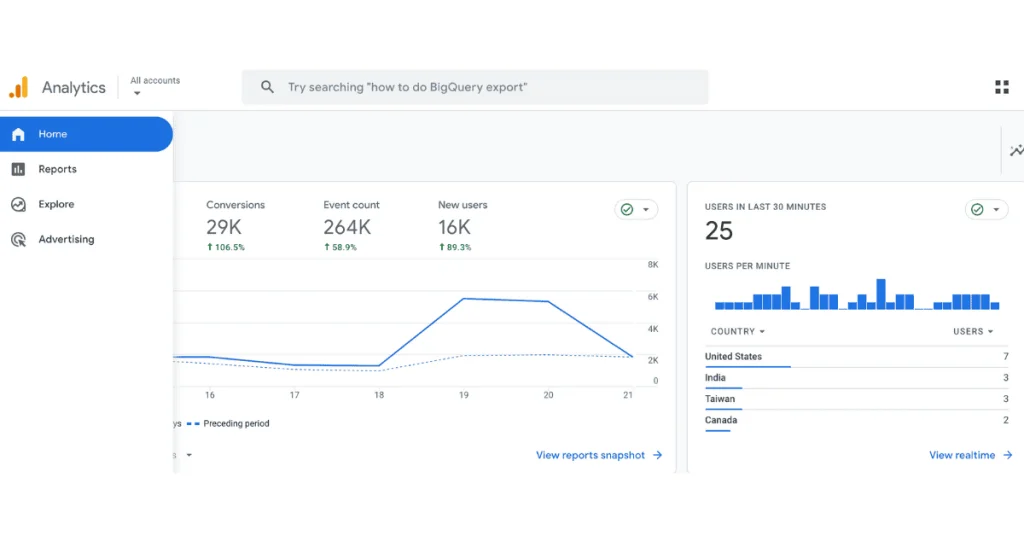
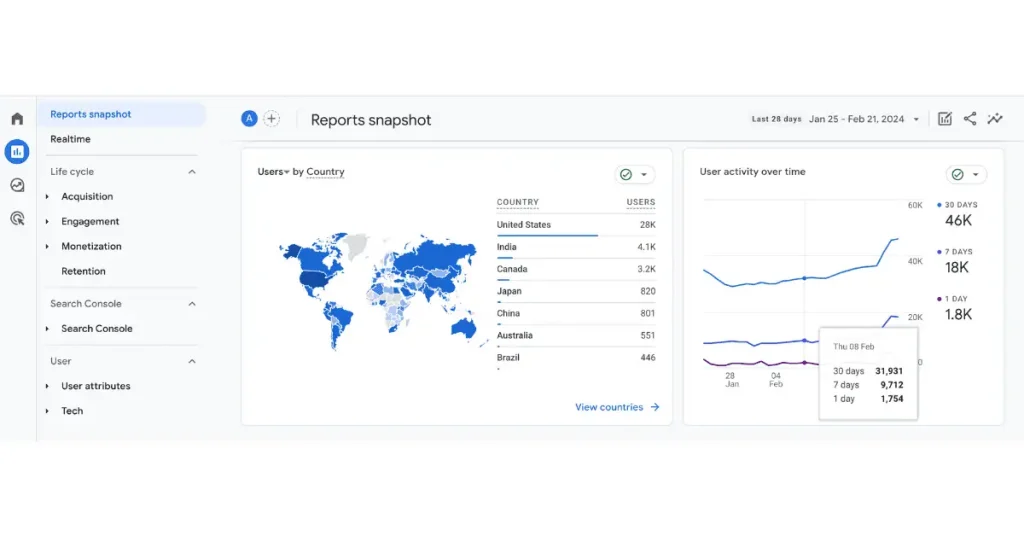
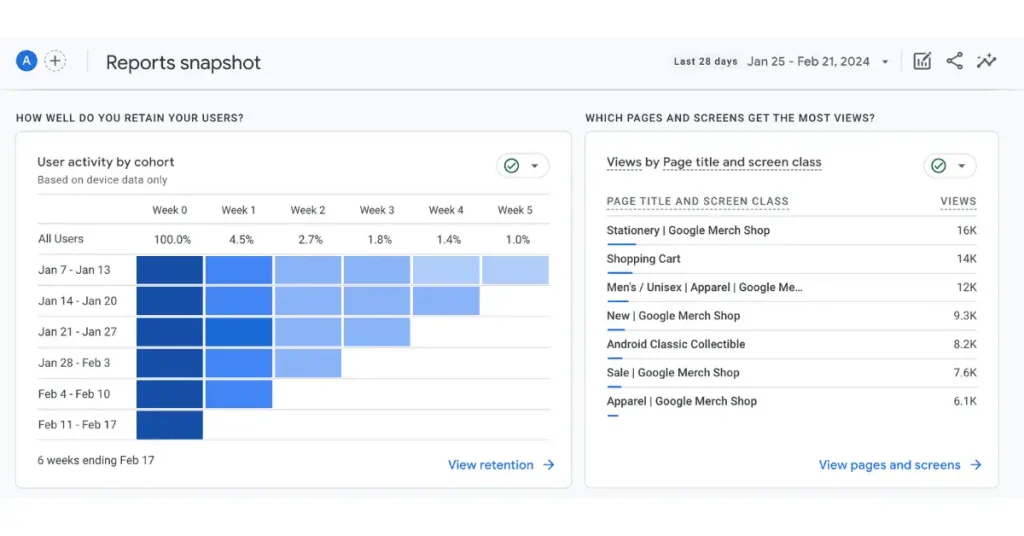
    Google Analytics is indispensable for understanding how visitors interact with your site. It tracks user behavior, such as page visits and session duration, offering valuable data to refine your SEO and user engagement strategies.

    seo journey

    Using these tools effectively can transform your SEO approach, providing clear insights and actionable data to boost your site’s performance.

    Do you want to become an SEO expert?

    Starting your journey to become an SEO expert is both exciting and challenging.

    It requires a firm grasp of SEO basics and an ongoing commitment to staying updated with the latest SEO trends and continuously refining your SEO strategy. Active participation in online SEO communities can speed up your learning, providing valuable insights and support as you explore the complexities of search optimization.

    3 to 5 Years: Launch Your SEO Firm

    After three to five years, you can start your own SEO business. By this stage, you should have a solid understanding of various SEO strategies and a track record of successful projects. Launching your business involves applying your skills to help others boost online visibility while establishing your brand in the digital marketplace.

    5 to 8 Years: Reach SEO Expert Level

    Achieving expert status usually takes between five to eight years. This level means you’re not just practicing advanced SEO techniques but also shaping the industry. Experts often share their knowledge through speaking engagements, writing detailed articles, or conducting advanced workshops for other SEO professionals.

    If you’re eager to dive into this challenging yet rewarding field, why not start today? Becoming an SEO expert is lengthy but offers significant personal and professional development opportunities.

    Final Thoughts

    Starting your journey in SEO is a brilliant decision for anyone looking to boost their digital marketing skills.

    The time it takes to master SEO varies, but the rewards justify the effort. Whether getting to grips with basic SEO strategy or exploring more complex SEO techniques, each step increases your skills and enhances your website’s effectiveness.

    Learning SEO brings significant benefits. It raises your site’s visibility and engagement and arms you with the ability to adapt to changes in the digital world. As online trends shift and algorithms change, your newfound skills will allow you to adjust your strategies, keeping your site competitive.

    As you become more skilled, SEO’s complexities become exciting challenges. These skills are invaluable, making you a crucial asset to any business and opening doors to various opportunities, whether you decide to freelance, consult, or manage SEO for large corporations.

    There’s no better time to start enhancing your SEO knowledge than now.

    Frequently Asked Questions

    Learning the basics of SEO can take a few months of study and practice. This involves understanding critical concepts like keywords, meta tags, and how search engines work.

    Absolutely! Many beginners successfully teach themselves SEO through online courses, webinars, and reading blogs from trusted sources like Moz and Search Engine Journal.

    Focus on mastering keyword research, on-page optimization (like meta tags and URLs), and off-page strategies such as link building to create a well-rounded skill set.

    Start by applying what you learn to your blog or website. Experiment with different SEO strategies and use tools such as Ahrefs for backlink analysis & Google Analytics to monitor progress and refine your strategy.

  • 7 Best SEO Software for Small Business

    7 Best SEO Software for Small Business

    Read in 12 min

    Do you need help to boost your small business’s online presence?

    In today’s digital age, harnessing the power of organic traffic and enhancing brand visibility is paramount for success.

    That’s where SEO software comes into play.

    But with countless options flooding the market, how do you choose the best SEO tools for your business? Fear not, as we’ve curated the ultimate guide to the “7 best SEO software for small business.”

    TL;DR

    • Discover top-notch SEO software tailored for small businesses.
    • Unlock the secrets to skyrocketing organic traffic and boosting brand visibility.
    • Simplify your search with our handpicked selection of SEO tools.
    • Make informed decisions to propel your business towards online success.

    Get ready to revolutionize your digital strategy as we delve into the world of SEO software tailored specifically for small businesses. Let’s dive in!

    What is the best SEO software for small businesses?

    In today’s digital era, optimizing your website for search engines is imperative for attracting organic traffic and increasing your online presence.

    However, selecting the most suitable tools for your business can be daunting, with many choices available.

    best SEO software for small business

    That’s where we step in! We’ve compiled a list of the finest SEO tools equipped with various features to assist you in monitoring and optimizing your website’s performance while adhering to your budget constraints.

    Here’s a glimpse of what these robust SEO tools can help you monitor:

    • Keyword Research: Discover the appropriate keywords for your business niche and track their performance over time to refine your content strategy and attract targeted traffic.
    • On-Page Optimization: Analyze your web pages’ structure, meta tags, and content quality to ensure they are optimized as per the search engine algorithms and seamless user experience.
    • Backlink Analysis: Measure the quality and quantity of inbound links to your site, uncover opportunities to enhance your link profile, and improve your search engine rankings.
    • Rank Tracking: Monitor where your website stands in search engine results pages for chosen keywords and track the changes over time to evaluate the effectiveness of your SEO efforts.
    • Competitor Analysis: Deep dive into your competitors’ SEO tactics, including their keywords, backlink profiles, and content strategies, to stay ahead in the online competition.

    Research by Search Engine Journal reveals that 68% of online journeys begin with a search engine, underscoring the significance of SEO in driving website traffic and attracting potential customers.

    Moreover, BrightEdge reports that businesses investing in SEO are 53% more likely to witness an increase in web traffic.

    With such compelling data, it’s evident that leveraging the capabilities of SEO tools is indispensable for SMEs striving to make a mark in the digital realm.

    So, if you’re ready to catapult your online presence to new heights, stay tuned as we unveil the finest SEO software tailored specifically for small businesses.

    Prepare to revolutionize your digital strategy and propel your business towards online success!

    In our next segment, we’ll delve deeper into the world of SEO tools, exploring their myriad functionalities and how they can revolutionize your small business’s online presence.

    1. Google Analytics

    Picture this: You’re a small business owner navigating the vast expanse of the digital world, eager to understand your website’s performance and reach.

    Enter Google Analytics—the trusty companion that offers a window into the intricate workings of your online presence.

    GA free tool

    With its user-friendly interface and robust suite of features, Google Analytics has become synonymous with website analytics, attracting millions of users worldwide.

    What sets it apart?

    For starters, there’s the enticing fact that it offers a free version, making it accessible to businesses of all sizes. But it’s not just about the price tag—Google Analytics boasts many capabilities, from tracking website traffic and user behavior to monitoring conversion rates and campaign performance.

    According to StatCounter, Google Analytics commands a staggering 85% market share among web analytics tools, highlighting its unparalleled popularity and widespread adoption. 

    Wondering what insights you can uncover using this dynamic tool? Here’s a glimpse:

    Website Traffic: Keep tabs on the number of visitors, their origins, and which pages they’re exploring.

    Online visibility with GA

    Audience Demographics: Dive into your audience’s age, gender, location, and interests to tailor your strategies accordingly.

    GA tracking tool

    User Behavior: Gain insights into how visitors engage with your site, including bounce rates, session durations, and page views.

    Acquisition Channels: Identify the sources driving traffic, whether it’s through organic search, social media, or referrals.

    GA helps in formulating own seo strategy

    Conversion Tracking: Gauge the effectiveness of your marketing endeavors by tracking goals, e-commerce transactions, and conversion rates.

    2. Google Search Console

    Google Search Console is your ultimate ally in conquering the ever-evolving digital landscape. This powerhouse tool offers a treasure trove of features designed to help you monitor and optimize your website’s presence in search engine rankings—without costing you a penny for its basic version.

    But what exactly makes Google Search Console the go-to choice for web admins and SEO enthusiasts?

    GSC is indispensible for small business owners

    For starters, it provides invaluable insights into your website’s visibility on Google’s search engine results pages (SERPs), empowering you to fine-tune your strategies for maximum impact.

    With Google accounting for more than 90% of all online search queries, according to Statista, it’s clear why mastering Google Search Console is essential for businesses looking to thrive online.

    So, what can you monitor with this dynamic tool? Here’s a breakdown:

    • Search Performance: Gain insights into your website’s performance in Google search results, including clicks, impressions, and average click-through rate (CTR).
    • Search Analytics: Dive deep into your website’s search queries, pages, countries, devices, and search appearance to identify opportunities for improvement.
    • Index Coverage: Keep track of which pages of your site are indexed by Google and address any crawling or indexing issues that may arise.
    • URL Inspection: Gain a comprehensive understanding of how Google perceives a particular URL on your website and address any potential issues related to indexing.
    Google search experience with GSC
    • Enhancements: Explore opportunities to enhance your website’s appearance in search results by fixing structured data issues, mobile usability concerns, and more.

    With Google Search Console at your fingertips, optimizing your website’s visibility in search engine rankings has never been easier. 

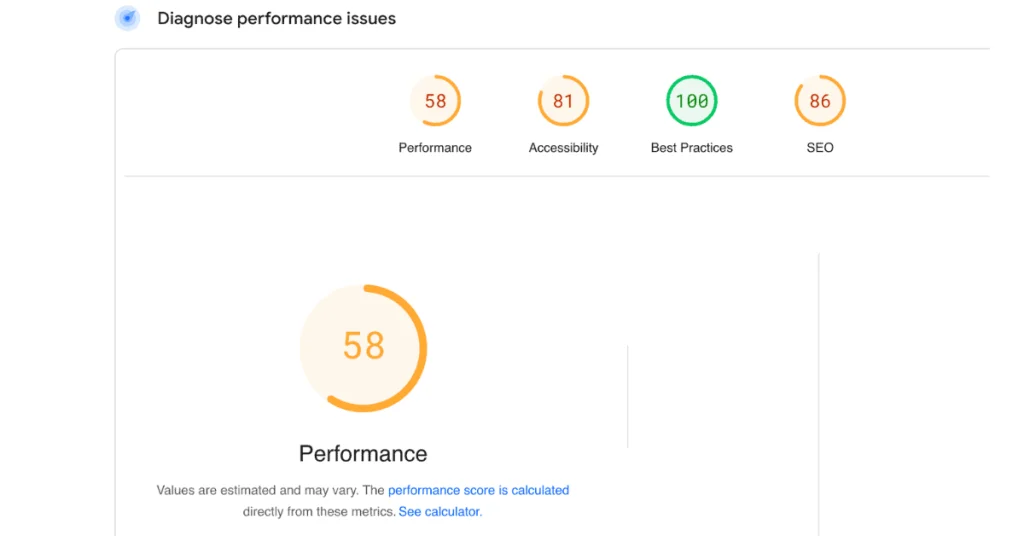
    3. Google PageSpeed Insights

    Google PageSpeed Insights is the ultimate tool for optimizing your web pages and boosting page speed. Whether you’re a seasoned developer or a novice website owner, this invaluable resource offers many features to help you improve user experience and drive more traffic to your site without costing you a dime for its basic version.

    So, what sets Google PageSpeed Insights apart from the competition?

    It provides real-time analysis and actionable recommendations to help you identify and address speed-related issues that could hold your website back.

    With an outstanding reputation supported by numerous favorable reviews, it’s no wonder why Google PageSpeed Insights has become a must-have tool for web admins and SEO enthusiasts.

    But what exactly can you monitor with this dynamic tool?

    • Page Speed: Get insights into your web pages’ loading times and identify opportunities to optimize performance for faster loading speeds.
    • Mobile-Friendliness: Ensure your website is optimized for mobile devices, a crucial factor in Google’s search ranking algorithm, by analyzing its responsiveness and usability on smartphones and tablets.
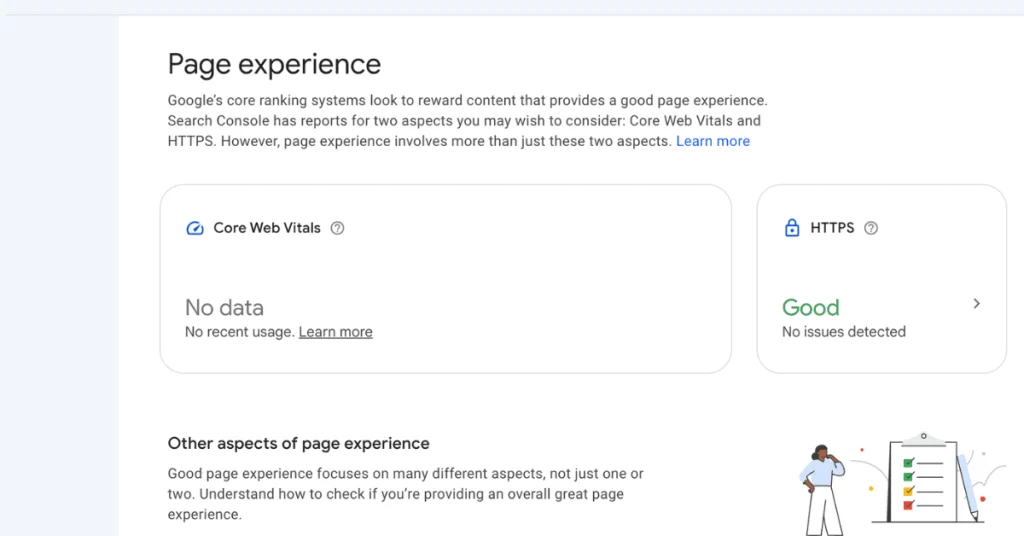
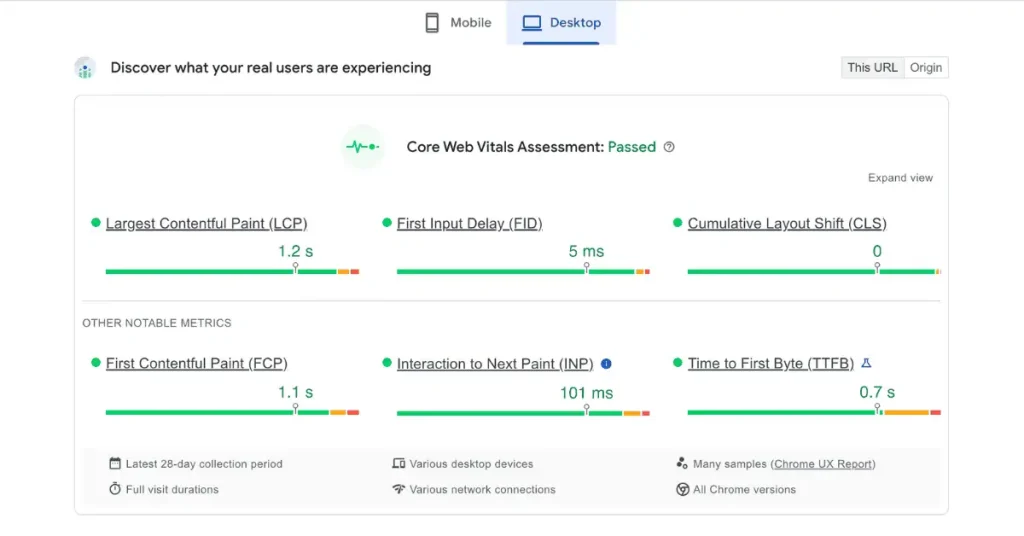
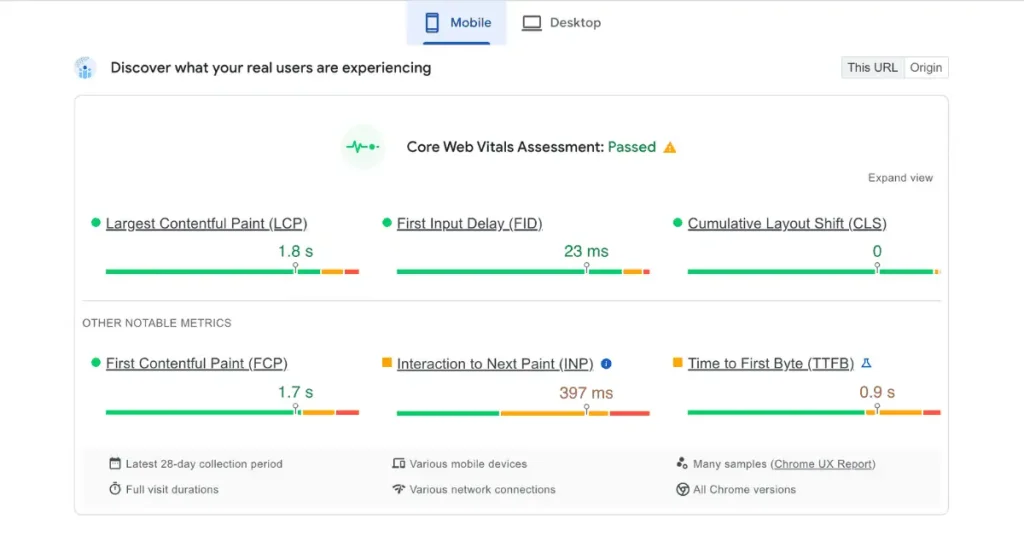
    • Core Web Vitals: Dive deep into critical metrics such as Largest Contentful Paint (LCP), First Input Delay (FID), and Cumulative Layout Shift (CLS) to measure user experience and address any issues affecting your site’s performance.
    Core Web vitals as per google search results

    Speaking of Core Web Vitals, these metrics are pivotal in determining how Google evaluates and ranks your website. With user experience taking center stage in today’s digital landscape, ensuring your site meets Google’s Core Web Vitals criteria is essential for maintaining a competitive edge.

    According to a report by Backlinko, websites that meet Google’s Core Web Vitals thresholds are more likely to rank higher in search results—a compelling reason to prioritize optimization efforts.

    But it’s not just about desktop performance—mobile optimization is equally crucial in today’s mobile-first world.

    mobile optimization vital for website's seo

    With more than half of all web traffic originating from mobile devices, according to Statista, optimizing your website for mobile is no longer optional—it’s a necessity for success. By leveraging Google PageSpeed Insights to analyze and improve your site’s mobile performance, you can ensure a seamless user experience for visitors across all devices.

    Diagnose performance issues with free seo tools

    In conclusion, Google PageSpeed Insights is your ticket to optimizing your website’s performance, enhancing user experience, and climbing the Google search engine results page.

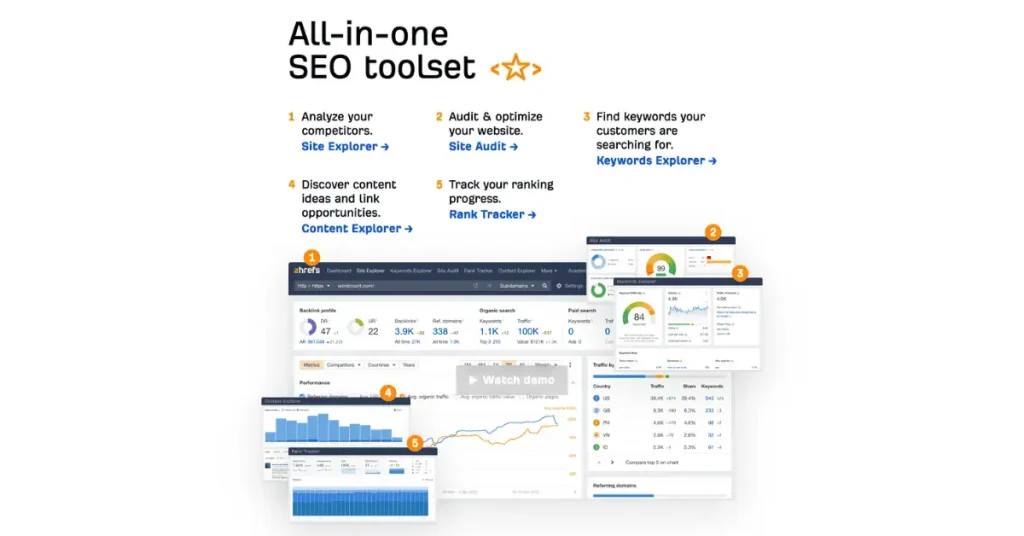
    4. Ahrefs

    Ready to dive deep into practical keyword research and competitor analysis? Say hello to Ahrefs—a go-to tool for SEO enthusiasts and digital marketers.

    With its brilliant features and user-friendly interface, Ahrefs has become a household name in SEO. But what sets it apart from the competition?

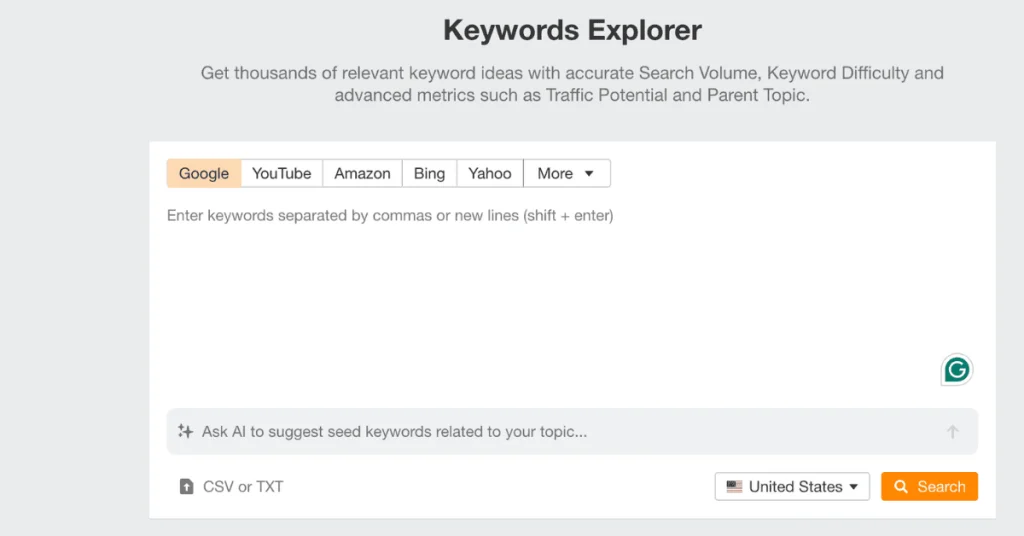
    Ahrefs offers comprehensive keyword research tools that provide valuable insights into search volume, keyword difficulty, and potential ranking opportunities. Its competitor analysis feature lets you peek behind the curtain and uncover the strategies driving your rivals’ success.

    Here’s a glimpse of what you can monitor with Ahrefs:

    • Keyword Research: Discover lucrative keyword opportunities and unearth hidden gems to fuel your content strategy.
    Ahref helps to track keyword rankings
    • Keyword Ideas: Generate many keyword ideas based on seed keywords or competitor analysis, allowing you to generate more organic traffic.
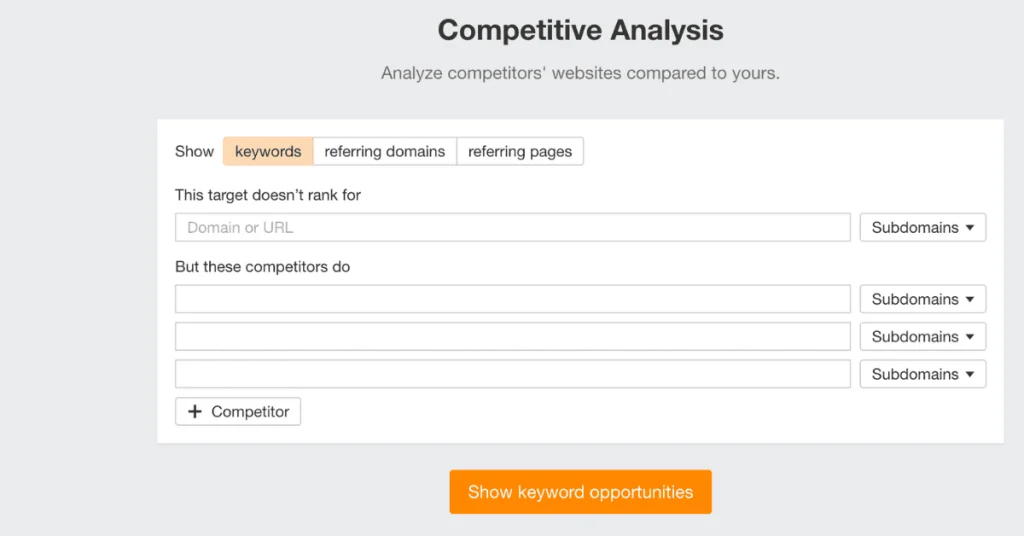
    Ahref helps to perform competitive analysis
    • Competitor Analysis: Gain valuable insights into your competitors’ backlink profiles, content strategies, and organic search traffic, enabling you to leap forward in the digital race.

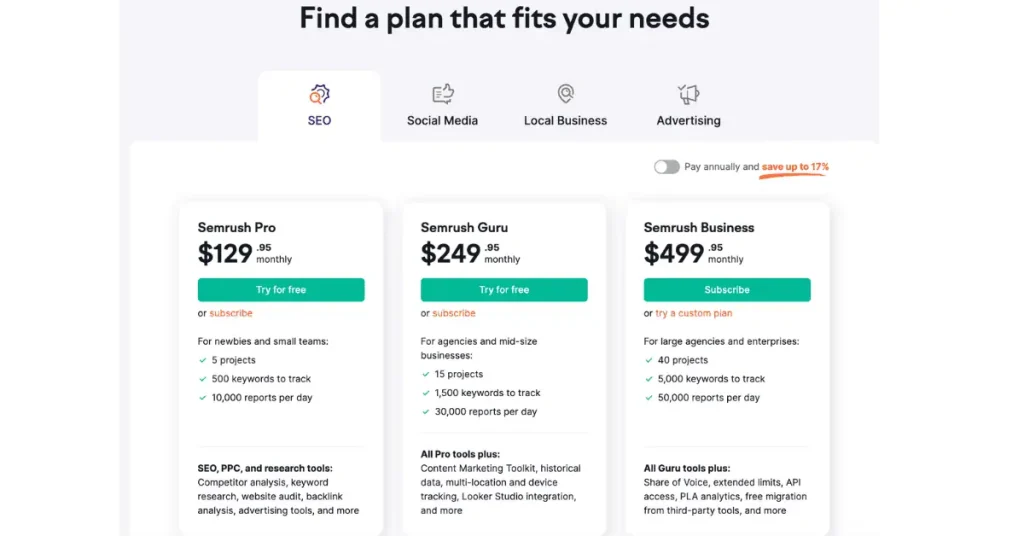
    Regarding pricing, Ahrefs offers a range of subscription options to suit every budget, from basic plans for solo entrepreneurs to enterprise-level solutions for large corporations.

    With flexible pricing and a wealth of features, Ahrefs is the perfect companion for businesses of all sizes looking to dominate the search engine rankings.

    Ahref's paid version options

    But why is keyword research especially crucial for mobile optimization?

    Statista said mobile devices accounted for over 50% of global website traffic in 2021. With mobile search becoming increasingly prevalent, understanding the keywords driving mobile traffic is essential for maximizing your website’s visibility and attracting potential customers.

    To summarize, Ahrefs is your ticket to unlocking the full potential of your website and dominating the search engine results pages. So why wait? Dive in, explore the data, and revolutionize your digital strategy with Ahrefs today!

    5. Screaming Frog SEO Spider

    This powerful software has earned its stripes as a favorite among digital marketers and SEO professionals for its comprehensive website crawling capabilities and in-depth analysis.

    But what makes it better among the myriad of SEO tools available? Let’s take a closer look:

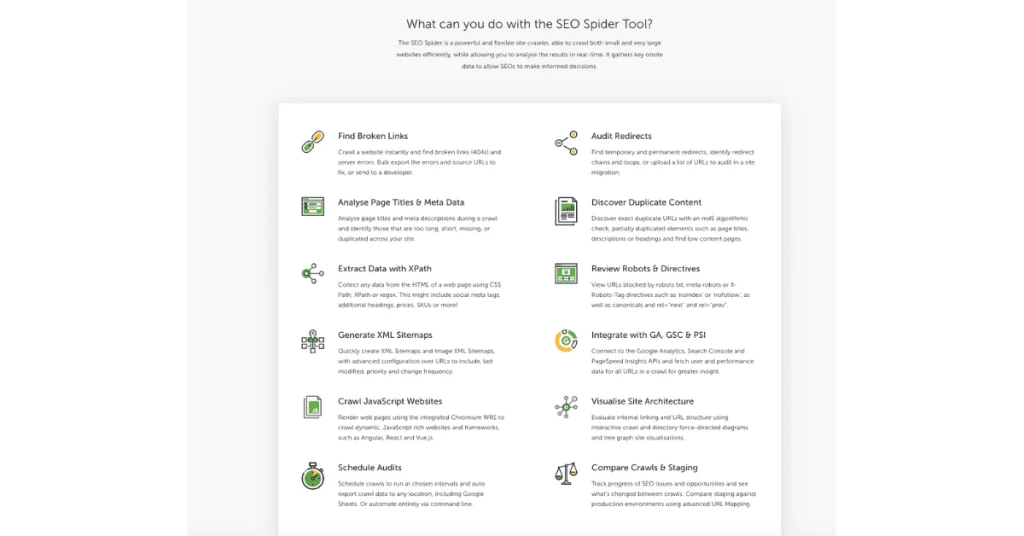
    Screaming Frog SEO Spider crawls websites

    Features: 

    • Website Crawling: Conduct thorough crawls of your website to identify technical issues, broken links, and optimization opportunities.
    • On-Page SEO Analysis: Analyze meta tags, headers, and other elements to ensure alignment with search engine optimization.
    • Local SEO Audits: Perform audits specific to local SEO factors, such as NAP consistency and Google My Business optimization.
    • XML Sitemap Generation: Automatically generate XML sitemaps, enabling search engines to discover and index your website’s pages more efficiently.

    What Makes Screaming Frog SEO Spider Popular:

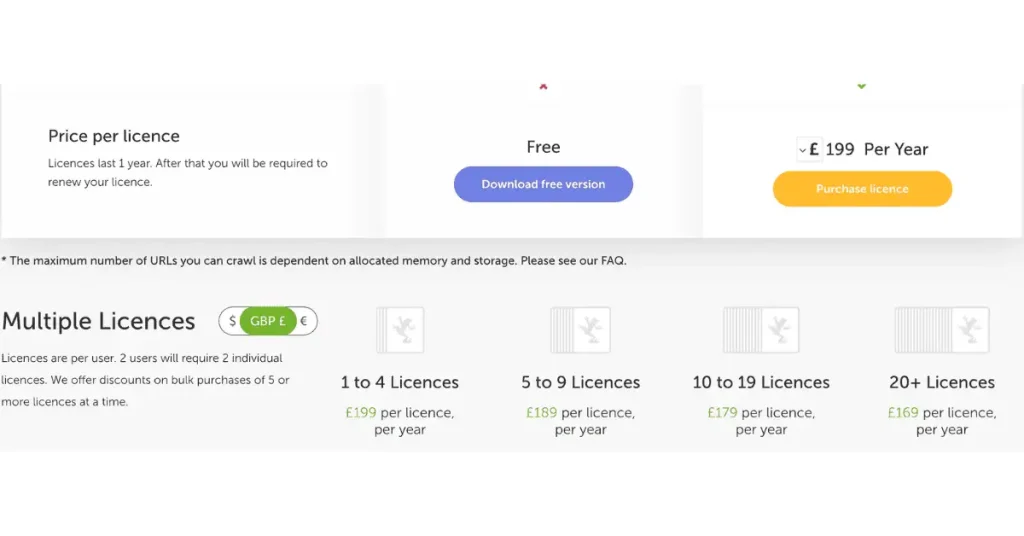
    • Comprehensive Crawling: With the ability to crawl up to 500 URLs for free, Screaming Frog offers unmatched website auditing and optimization value.
    • Intuitive Interface: The ergonomic interface makes navigating data and uncovering actionable insights easy.
    • Regular Updates: Screaming Frog consistently enhances its software to align with ever-evolving search engine algorithms and industry best practices.

    What Can Be Monitored with Screaming Frog SEO Spider:

    • Broken Links: Identify and fix broken links on your website to improve user experience and maintain search engine credibility.
    • Redirect Chains: Uncover redirect chains that may slow down your website’s loading speed and negatively impact SEO.
    • Meta Data: Verify that meta titles and descriptions are tailored for pertinent keywords and precisely reflect the page’s content.

    Significance of Removing Broken Links:

    Removing broken links is crucial for maintaining a seamless user experience and preserving your website’s credibility with search engines. According to SEMrush, broken links can negatively impact your website’s search engine rankings and hinder its ability to attract organic traffic.

    Significance of Real-Time Site Audits:

    Real-time site audits provide valuable insights into your website’s health and performance, allowing you to identify and address issues promptly. By staying vigilant about addressing technical issues and seizing optimization opportunities, you can guarantee that your website maintains competitiveness amidst the continually evolving realm of search engine optimization.

    Screaming Frog SEO Spider paid version

    In conclusion, Screaming Frog SEO Spider is a must-have tool for any digital marketer or SEO professional looking to optimize their website and improve search engine visibility. Its comprehensive crawling capabilities and user-friendly interface make it the perfect companion for tackling technical SEO challenges and driving organic traffic to your site.

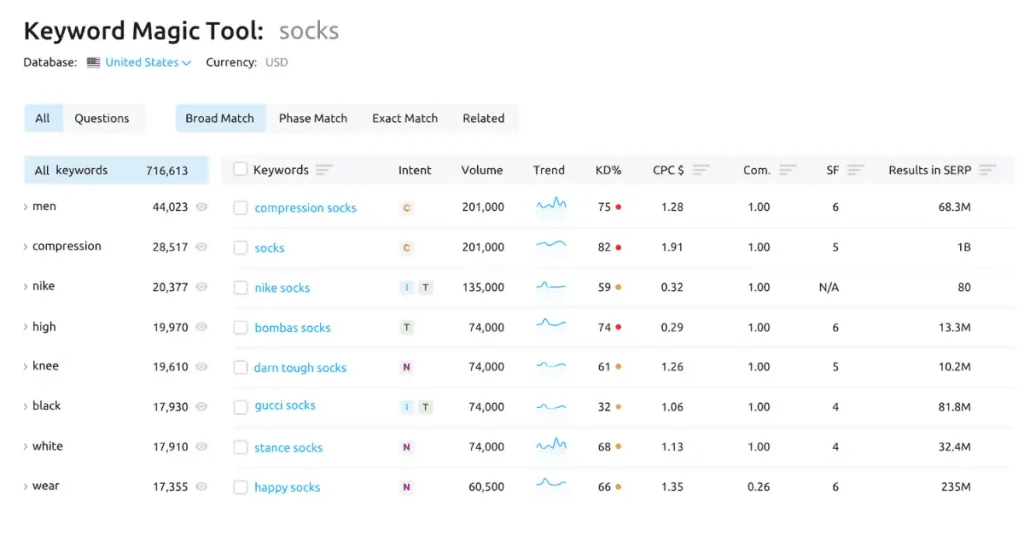
    6. Semrush Keyword Magic Tool

    Semrush is the best keyword research tool

    Semrush Keyword Magic Tool is an indispensable tool that has revolutionized how digital marketers and SEO professionals uncover valuable keywords to fuel their content strategy and boost search engine rankings. But what exactly makes it stand out from the crowd? Let’s explore:

    Key Features and Benefits of Semrush Keyword Magic Tool:

    • Comprehensive Keyword Database: Access a vast database of keywords spanning various industries and niches.
    • Advanced Filtering Options: Refine your keyword research with filters based on search volume, keyword difficulty, and more.
    • Keyword Analysis: Gain insights into keyword trends, search volume, and competition to identify lucrative opportunities.
    • Search Intent Analysis: Understand the intent behind user searches to create content that resonates with your target audience.

    What Makes Semrush Keyword Magic Tool Popular:

    Best keyword research tool
    • User-Friendly Interface: The intuitive interface makes navigating through keyword data and uncovering valuable insights quickly.
    • Actionable Recommendations: Receive actionable recommendations for optimizing your content based on keyword research and search intent analysis.

    What Can Be Monitored with Semrush Keyword Magic Tool:

    • Keyword Trends: Track changes in keyword popularity and search volume over time to stay ahead of the competition.
    • Competitor Keywords: Identify keywords your competitors are targeting and explore opportunities to outrank them.
    • Search Intent: Analyze the intent behind user searches to ensure that your content aligns with their needs and interests.

    Significance of Search Intent:

    Understanding the search intent is essential for crafting content that connects with your target audience and fosters interaction.

    Understanding search intent helps to optimize keyword rankings

    According to HubSpot, 71% of marketers agree that understanding search intent is critical for SEO success. Additionally, Backlinko reports that content optimized for search intent is 30% more likely to rank in the top three positions in search results.

    Semrush catapults seo strategy

    In conclusion, the Semrush Keyword Magic Tool is a game-changer for digital marketers and SEO professionals looking to elevate their keyword research efforts.

    With its comprehensive database, advanced filtering options, and search intent analysis, it’s the perfect companion for unlocking the full potential of your content strategy and driving organic traffic to your website.

    7. Moz Pro

    Moz Pro is the go-to toolkit for marketers and SEO professionals seeking to elevate their digital strategy. Renowned for its comprehensive features, Moz Pro offers a wealth of benefits to help you boost your website’s performance and outrank the competition. Here’s what sets it apart:

    Key Features and Benefits of Moz Pro:

    • Rank Tracking: Monitor your website’s search engine rankings and track changes over time to gauge the impact of your SEO efforts.
    • Site Crawling: Analyze your website’s structure and identify on-page technical issues that may impact its performance in search results.
    • Marketing Tactics: Access actionable insights and recommendations to adjust your marketing strategies and drive more traffic to your site.

    What Makes Moz Pro Popular:

    • Robust Data: Moz Pro leverages a vast database of metrics and analytics to provide accurate and up-to-date information about your website’s performance.
    • User-Friendly Interface: Even beginners can easily navigate through data and discover valuable insights, thanks to the user-friendly interface.

    What Can Be Monitored with Moz Pro:

    • Keyword Rankings: Track your website’s performance for target keywords and identify opportunities for improvement.
    • Backlink Profile: Monitor your website to pinpoint high-quality linking opportunities that can improve your search engine rankings.
    • On-Page Optimization: Analyze your website’s on-page elements and receive recommendations for optimizing meta tags, headers, and content.

    Significance of Link Building:

    Link building is crucial in improving your website’s authority and visibility in search engine results.

    backlink monitoring vital for seo performance

    According to Backlinko, websites with a strong backlink profile are more likely to rank higher in search results. Additionally, HubSpot reports that 75% of SEO professionals believe link building is essential to SEO strategy.

    Mozpro aids to optimize website content on realtime basis

    In conclusion, Moz Pro is a game-changer for marketers and SEO professionals looking to take their digital strategy to the next level. Its comprehensive features, user-friendly interface, and robust data make it the perfect companion for optimizing your website and driving organic traffic.

    What are SEO tools?

    Have you ever pondered how certain businesses effortlessly secure prime positions on the first page of Google’s search results. In contrast, others seem lost in the digital abyss.

    Enter SEO tools, the digital Swiss army knives that wield the power to elevate your online presence to new heights.

    But what are these tools, and why are they so crucial in today’s competitive landscape?

    Picture this: You’re a small business owner who dreams of expanding your reach and attracting eager customers. You understand the importance of keyword research and organic search traffic’s lifeblood, but where do you begin? That’s where SEO tools come into play.

    A brief

    1. SEO tools are essential for optimizing your website’s visibility on search engines.
    2. They assist in keyword research, driving organic search traffic, and navigating search engine algorithms.
    3. Understanding the importance of SEO tools is crucial for staying ahead in today’s competitive digital landscape.

    Did you know that websites ranking on the first page of Google receive over 90% of clicks, while those on the second page garner a mere 4%?

    That’s a staggering statistic, underscoring the importance of optimizing your website’s visibility to capture the attention of your target audience.

    So, what exactly are these tools, and how do they work their magic?

    At their core, these are specialized software designed to analyze, optimize, and track your website’s performance in search engine results.

    From conducting in-depth keyword research to monitoring your website’s ranking fluctuations, these tools provide invaluable insights to help you stay ahead of the competition. However, their benefits extend far beyond mere keyword optimization.

    Following the latest trends and algorithm changes is crucial, especially as the digital environment evolves rapidly. SEO tools excel here, providing the necessary knowledge and resources to adjust and succeed in an ever-evolving digital world.

    What is the best SEO tool?

    Interested in discovering the premium tools that can elevate your website’s performance and set you apart from the competition?

    Among some of the best SEO tools available, Ahrefs reigns supreme:

    Ahrefs

    Known for its comprehensive features and user-friendly interface, Ahrefs is a powerhouse for SEO enthusiasts. From keyword research to backlink analysis, it offers many tools to optimize your website’s performance and outshine the competition.

    Ahref's is the best seo software overall

    Benefits of Ahrefs:

    • Robust Keyword Research: Uncover valuable keyword opportunities and track their performance over time to refine your content strategy.
    • In-Depth Backlink Analysis: Explore your website’s backlink profile and identify high-quality linking opportunities to boost your search engine rankings.
    • Competitor Analysis: Obtain valuable insights into your competitors’ tactics and identify opportunities to surpass them in search engine rankings.

    With Ahrefs by your side, you can take your SEO game to the next level and drive more traffic to your website. Ready to revolutionize your digital strategy?

    Let’s delve in and discover the multitude of opportunities with Ahrefs!

    How do you Choose the Best SEO Tools for small businesses?

    Looking for the perfect SEO tools to catapult your small business website to success?

    But with so many options, how do you narrow down the choices? Here are some key features to keep in mind while selecting the best SEO tool for your small business:

    • Comprehensive Keyword Research: Ensure the tool offers robust keyword research capabilities to help you uncover valuable keywords relevant to your business niche.
    • On-Page Optimization: Look for features that assist in optimizing meta tags, headers, and content to enhance your website’s visibility in search results.
    • Backlink Analysis: Choose a tool that provides insights into your backlink profile and helps you identify opportunities to acquire high-quality backlinks.
    • Competitor Analysis: Opt for a tool that allows you to analyze your competitors’ strategies and discover ways to outperform them in search rankings.

    By considering these key features, you can select the best SEO tool to meet the needs of your small business.

    Conclusion

    In wrapping up our exploration of the top SEO tools for small businesses, it’s clear that the right tool can make a difference in your digital strategy.

    From keyword research to in-depth competitor analysis, these tools offer invaluable insights to help your small business thrive online.

    Whether you opt for a paid solution like Ahrefs or leverage the power of free tools like Google Analytics, there’s something for every budget and need.

    With the right SEO tools in your arsenal, you can boost your website’s visibility, attract organic traffic, and propel your small business toward online success.

  • 7 steps to become a freelance SEO consultant in 2024

    7 steps to become a freelance SEO consultant in 2024

    Read in 14 min

    Embarking on becoming a freelance SEO consultant in 2024? You’re in the right place.

    The digital arena is increasingly competitive, with a rising need for experts adept at handling the intricacies of search engine optimization.

    Whether you’re looking to boost organic traffic, enhance brand visibility, or carve out a niche in the vast SEO world, mastering the art of freelance SEO consulting could be your golden ticket.

    TL;DR

    • Understand the SEO landscape in 2024
    • Master the skills to increase organic traffic
    • Enhance brand visibility through strategic SEO
    • Build a strong, result-driven portfolio
    • Navigate the freelance market effectively
    • Stay ahead with continuous learning
    • Ethical practices for long-term success

    Facing the challenge head-on, this guide breaks down the essential steps to enter the world of freelance SEO and thrive in it.

    Freelance SEO consultant

    We’ve got you covered, from honing your skills to standing out in a sea of competitors.

    Ready to transform your passion for SEO into a thriving freelance career?

    Let’s dive in.

    1. Understanding SEO Fundamentals and Trends

    Before becoming a freelance SEO consultant, let’s lay the groundwork with a solid understanding of SEO fundamentals and trends.

    SEO might sound like a complex web of strategies. Still, at its core, it’s about enhancing your online visibility in organic search results.

    But what does that entail in 2024, and why should you care?

    Consider this: How often do you venture beyond the first page of Google’s search results? Not very frequently, I’d wager. That’s where SEO comes into play.

    It’s evolved beyond mere keyword stuffing to a sophisticated understanding of keyword research, enhancing organic search traffic and keeping pace with the continuous changes in search engine algorithms. 

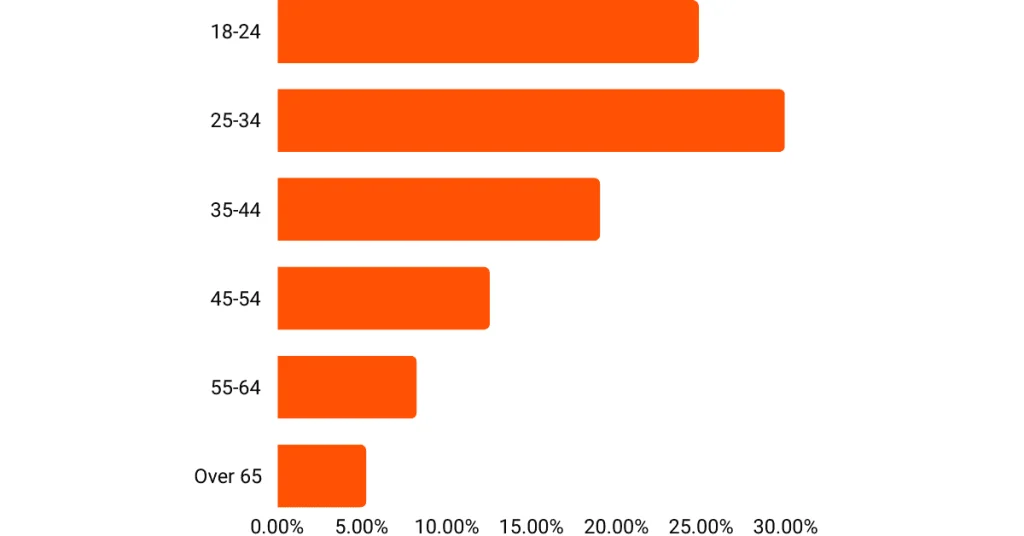
    Let’s look at the data below highlighting the demographic distribution of Google’s search audience.

    Google search Audience

    Over half of all searches come from the vibrant, tech-savvy crowd under 34 years old, making their preferences and behaviors essential for tailoring your SEO strategies.

    Impressively, 68% of online journeys start with a search engine, and SEO can generate over 1000% more traffic than organic social media, according to insights from BrightEdge and ahrefs, showcasing the incredible opportunities within SEO.

    So, how do you get started with understanding SEO in 2024?

    It boils down to three main pillars: on-page SEO, off-page SEO, and technical SEO. Each plays a crucial role in how search engines understand and rank your content.

    Brief Overview:

    On-Page SEO: Concentrates on your website’s content quality, ensuring it’s valuable, strategically uses keywords, and meets your audience’s search needs. Revamping outdated blog posts with fresh content and images can substantially increase organic traffic, a point emphasized by HubSpot.

    Off-Page SEO: It’s all about your website’s authority and how others perceive it. This includes backlinks, social media marketing, and guest blogging. Websites with a strong backlink profile are likely to rank higher. The top result on Google has 3.8 times more backlinks than positions two to ten. (Source: Backlinko)

    Technical SEO: Ensures your website is structured so search engines can easily crawl and index. This includes site speed, mobile-friendliness, and secure connections. Google has indicated that even a brief delay of one second in mobile loading times could reduce conversion rates by 20%.

    Technical SEO

    Now, let’s dive deeper into each of these pillars:

    On-Page SEO:

    • Content Quality: It’s not just about what you say but how you say it. High-quality, informative content tailored to your audience’s needs is critical. Content marketing generates leads at a rate threefold higher than that of paid search advertising. (Source: Content Marketing Institute).
    • Keywords: Understanding and implementing keyword research is vital. But it’s not just about volume; it’s about relevance and intent. Long-tail keywords, for instance, have a 3-5% higher click-through rate than generic searches. (Source: Smart Insights)
    • User Experience: Your site’s structure, layout, and visual appeal contribute significantly to on-page SEO. When websites offer engaging content and straightforward navigation, they hold visitors’ attention longer, reduce bounce rates, and increase the odds of turning those visitors into customers.

    Off-Page SEO:

    • Building Backlinks: Earning links from reputable sites not only drives traffic but also boosts your site’s credibility in the eyes of search engines. Businesses practicing consistent link-building efforts see a 2.2x increase in revenue. (Source: Moz)
    link building
    • Social Signals: Even though it’s not a direct factor in rankings, getting social with your content can increase its visibility. This means more organic links and shoutouts are likely to come your way.
    social media marketing
    • Guest Blogging: Contributing to other reputable blogs in your industry can expand your reach and authority.

    Technical SEO:

    • Mobile Optimization: With over 50% of global traffic coming from mobile devices, ensuring your site is mobile-friendly is non-negotiable. (Source: Statista)
    app store optimization
    • Site Speed: Users expect fast-loading pages. Google’s Speed Update makes load times a ranking factor, especially for mobile searches.
    • Secure Website: HTTPS is a known ranking signal. A secure site not only ranks better but also gains user trust.

    Understanding these fundamentals and keeping abreast of the latest SEO trends and algorithm updates are critical for anyone looking to make a mark in the SEO world in 2024.

    Whether it’s Google’s latest update or a shift in user behavior due to new technology, staying informed will set you apart as a freelance SEO consultant.

    2. Skill Development and Specialization

    Diving into the world of freelance SEO consulting without a robust skill set is like trying to navigate a ship without a compass.

    You know you want to reach the treasure island of success, but how do you chart the course?

    That’s where the mastery of specific essential skills comes in, and trust me, it’s not just about sprinkling keywords here and there.

    Have you ever wondered how some content just pops up first on Google? Or why do certain websites seem to have a magnetic pull for visitors?

    It all boils down to a deep understanding of SEO mechanics, from the nitty-gritty of keyword research to the analytical prowess of deciphering Google Analytics data. And in the ever-evolving landscape of SEO, specialization isn’t just a buzzword; it’s your secret weapon.

    By honing your expertise in a particular niche, be it local SEO for brick-and-mortar businesses, e-commerce SEO to skyrocket online sales, or the technical side of things to ensure websites are as sleek under the hood as they are on the surface, you set yourself apart in a sea of generalists.

    Summary:

    • Keyword Research: The bedrock of SEO. Find words your audience uses online. Use everyday language; keep it short. Identify terms in search queries. Use active voice for clarity. A solid keyword strategy can boost your content’s visibility and relevance. Did you know that 50% of search queries are four words or longer? (Source: WordStream)
    • Content Optimization: This skill is about making your content irresistible to search engines and users alike. It’s not just about keyword density; it’s about relevance, readability, and value. High-quality content can increase a blog’s traffic by up to 2,000%. (Source: MarketingSherpa)
    • Link Building: Essential for building your site’s authority and improving its ranking. Successful link-building campaigns can result in a 76% increase in monthly visits. (Source: Moz)
    • Site Audits: Conducting thorough reviews of websites to identify issues that could hamper SEO performance. Regular audits can lead to a 113% increase in clicks. (Source: SEMrush)
    • Analytics: Use Google Analytics to track performance and make data-driven decisions. Websites that leverage analytics can see a 44% increase in traffic. (Source: ClickZ)
    • Local SEO: Optimizing for local search results can lead to a 300% increase in mobile searches for “near me” queries. (Source: Google)
    • E-commerce SEO: Tailoring strategies for online stores can boost conversion rates by 200%. (Source: HubSpot)

    Now, let’s break down these skills a bit more:

    Keyword Research:

    Conduct keyword research
    • The heart of SEO lies in keyword research. It’s an art and science involving understanding your audience’s search intent and online language.
    • This skill goes beyond identifying popular terms; it’s about finding keywords that match user intent and have a high search volume with minuscule competition.
    • By mastering keyword research, you can ensure your content ranks well and attracts the right audience. It’s about getting into the minds of your potential visitors and anticipating their needs before they even type them into the search bar.

    Content Optimization:

    • Beyond stuffing articles with keywords, this is about creating content that links directly to your audience’s needs and questions, making it more likely to be shared, linked to, and, ultimately, ranked higher.
    Content Optimization

    Link Building:

    • This involves cultivating high-quality inbound links from high-authority sites, which informs search engines that your content is useable and trustworthy, enhancing your site’s authority and search rankings.

    Site Audits:

    • Please consider this a health check-up for websites, identifying issues from broken links to slow loading speeds that could keep your site from its top performance in search rankings.

    Analytics:

    • Mastery of Google Analytics opens up a treasure trove of data. This tool is indispensable, from tracking real-time user interactions to understanding the customer journey.
    • It’s not just about viewing stats; it’s about making sense of trends, bounce rates, and conversion paths. A deep dive into analytics can reveal the effectiveness of your SEO strategies, allowing for data-driven adjustments.
    website performance
    • Imagine boosting your site’s user engagement by interpreting complex data sets and making informed decisions—Google Analytics makes this possible.

    Local SEO:

    • Specializing in local SEO means optimizing your content to capture the attention of people searching for products or services in their area, which is crucial for businesses with physical locations.

    E-commerce SEO:

    • For online stores, e-commerce SEO ensures your products appear at the top of SERP, making it easier for potential customers to find and buy them.

    Developing a specialized skill set is a guiding light in the boundless ocean of SEO. It guides your efforts, ensuring they’re practical and uniquely tailored to stand out.

    Whether dissecting the complexities of Google Analytics to glean actionable insights or crafting a link-building strategy that’s as robust as it is ethical, each skill you gain expertise moves you a step nearer to being the in-demand freelance SEO consultant everyone seeks.

    The journey to SEO mastery is challenging and rewarding, and with the right tools in your belt, there’s no limit to the heights you can reach.

    Let’s embark on this journey together, one keyword, one link, and one analytic insight at a time.

    3. Building a Strong Portfolio

    Have you ever wondered how some freelance SEO consultants stand out in the crowded digital marketplace?

    The secret often lies in a compelling portfolio that speaks volumes about their skills and successes.

    Think of your portfolio as your gallery, where each piece – from detailed case studies to glowing testimonials – tells a story of your expertise and the tangible results you’ve delivered.

    But how do you craft a portfolio that showcases your talents and resonates with potential clients?

    A strong portfolio is more than just a collection of past works; it’s a testament to your ability to drive real-world results.

    Consider this: 72% of businesses say case studies are their most effective content for converting leads (Content Marketing Institute), and 92% of shoppers consult online reviews and testimonials before buying (BigCommerce).

    Moreover, incorporating growth hacks that led to significant client successes can increase your portfolio’s impact, with businesses reporting up to a 113% increase in conversion rates from such strategies (CXL Institute).

    • Showcase Diverse Case Studies: Highlight a range of projects demonstrating your SEO expertise across various industries and challenges.
    • Incorporate Growth Hacks: Detail the innovative strategies you employed to achieve remarkable client results.
    Organic traffic
    • Gather Testimonials: Include feedback from satisfied clients to build trust and credibility.
    • Before-and-After Analysis: Present clear comparisons to illustrate the impact of your work on clients’ search engine rankings, traffic, and conversions.
    • Continuous Update: Regularly refresh your portfolio with new successes to keep it current and relevant.

    Building a portfolio that captures your unique value proposition as a freelance SEO consultant is crucial. It’s not just about listing the projects you’ve worked on; it’s about weaving a narrative highlighting your strategic approach, problem-solving capabilities, and, most importantly, the measurable outcomes you’ve achieved.

    Whether it’s the dramatic improvement in search engine rankings, a surge in website traffic, or a significant uptick in conversions, your portfolio should make a compelling case for your skills.

    Remember, your portfolio is your most vital marketing tool in SEO consulting.

    4. Setting up a Freelance Business

    Setting up your own business is an exhilarating step towards independence and financial freedom, but it’s challenging. There’s a lot to consider, from navigating the maze of legal requirements to establishing a brand that resonates with trust and organic growth.

    Did you know that according to Forbes, 64% of freelancers choose this path for the lifestyle it offers?

    Yet, to truly thrive, understanding the logistics of setting up your freelance business is crucial. This includes everything from registering your business, sorting out taxes, and creating a professional website that attracts clients.

    With 97% of buyers using the web to find local businesses, as reported by the SEO Tribunal, your online presence is more important than ever.

    But where do you begin, what tools to choose, and how can you ensure your freelance business launches successfully and continues to grow?

    TL;DR:

    • Business Registration and Legal Considerations
    • Setting Up a Professional Website
    • Choosing Tools and Software
    • Defining Services and Pricing Structures

    Crafting a clear plan for your services and pricing structure is vital, ensuring you’re not underselling your expertise or overpricing and driving potential clients away.

    With 50% of small businesses failing in their first five years, as the Bureau of Labor Statistics noted, laying a solid foundation for your freelance business is non-negotiable.

    5. Finding Clients and Networking

    Launching into the freelance SEO consultancy realm brings challenges, with finding and retaining clients at the top. How do you ensure that your name stands out in a world teeming with competition?

    Networking and building a robust pipeline for new clients are not just about attending every industry meet-up or spamming LinkedIn connections; it’s about strategic engagement and creating value that draws clients to you.

    According to a LinkedIn report, 80% of professionals consider networking essential to career success. At the same time, HubSpot reveals that inbound marketing strategies, like content creation, can generate 54% more leads than traditional outbound tactics.

    prospective clients

    In this digital age, attracting new clients and networking has evolved.

    From the power of a well-crafted LinkedIn profile to community engagement on platforms like Twitter or industry-specific forums, every interaction counts.

    But where do you begin, and what strategies can you employ to ensure a steady stream of clients?

    TL;DR:

    • Leverage Freelance Platforms
    • Attend Industry Conferences
    • Network on Social Media
    • Create Valuable Content for Inbound Marketing

    Leverage Freelance Platforms:

    Platforms like Upwork and Freelancer serve as more than mere job boards; they act as conduits to a worldwide clientele, offering diverse opportunities. You can cultivate a solid professional reputation by meticulously curating your portfolio and consistently delivering top-notch work.

    This enhances your visibility and magnetizes a broader spectrum of clients toward your services, expanding your reach and potential for diverse projects.

    Attend Industry Conferences:

    Immersing yourself in industry conferences is akin to mining for networking gold.

    These events are pivotal for staying abreast of the latest SEO trends, strategies, and meaningful connections.

    Engaging in direct conversations with peers and potential clients in these settings can sow the seeds for enduring professional relationships, opening doors to collaborative opportunities and client referrals that could shape the trajectory of your freelance career.

    Network on Social Media:

    Social media platforms, particularly LinkedIn, transcend their basic functionalities to become potent freelancer branding tools.

    By actively sharing industry insights, participating in discussions, and engaging with your online community, you establish yourself as a thought leader in the SEO domain.

    This continuous engagement elevates your professional profile and attracts clients who seek the expertise and thought leadership you exhibit, thereby broadening your client base.

    Create Valuable Content for Inbound Marketing:

    Crafting informative and engaging content through blogs, case studies, and how-to guides does more than just display your SEO prowess.

    It addresses and resolves your potential clients’ queries and challenges, fostering trust and reliability even before formal engagements begin. This proactive problem-solving approach showcases your expertise and positions you as the go-to consultant when clients are ready to invest in SEO services, thus enhancing your chances of being selected for future projects.

    Navigating the path to a successful freelance SEO consultancy is about more than just your SEO skills; it’s about how effectively you can market yourself and build relationships.

    With the right mix of online presence, valuable content creation, and real-world networking, you can create a vibrant ecosystem that continually attracts new clients.

    6. Continuous Learning and Adaptation

    Embracing a culture of continuous learning can transform challenges into opportunities, ensuring you’re always at the top of your game.

    With Google’s algorithm updates rolling out faster than ever, how can you ensure that your strategies don’t just keep pace but stay ahead of the curve?

    The answer lies in continuous learning and skill enhancement. It’s a dynamic field where what worked yesterday might not hold water today.

    Moz reports that Google changes its algorithm 500 to 600 times each year. Moreover, according to Databox, 70% of marketers see SEO as more effective than PPC, highlighting the critical need to stay updated.

    The growth opportunities are endless, from deep-diving into authoritative blogs that dissect the latest SEO trends to participating in webinars that offer fresh perspectives.

    Online courses and certifications keep your skills sharp and bolster your credentials, making you a more attractive choice for potential clients.

    Staying updated with SEO isn’t just about keeping your head above water; it’s about riding the wave of digital innovation, leading to more effective strategies and, ultimately, satisfied clients.

    7. Ethics and Client Management

    Navigating the intricate world of freelance SEO consulting isn’t just about mastering the technical aspects; it’s equally about how you manage relationships with your clients. How do you ensure a steady stream of satisfied clients in an industry where the algorithms are as unpredictable as the weather?

    The cornerstone of any successful freelance venture is the ethical practice of SEO, underscored by transparency, setting realistic expectations, and fostering trust. It’s about more than just delivering results; it’s about building a reputation that stands the test of time.

    A survey from Label Insight reveals that 94% of consumers are inclined to remain loyal to brands that provide complete transparency. Salesforce’s findings indicate that 95% of customers show greater loyalty to businesses they trust.

    Furthermore, a study by Edelman found that 81% of consumers need to be able to trust the brand to buy from them.

    In SEO, where strategies and outcomes often seem shrouded in mystery to those not in the know, how do you ensure clarity and confidence in your client relationships?

    • Transparency in Strategy and Reporting
    • Setting and Managing Realistic Expectations
    • Building Trust Through Consistent Communication

    Being upfront about what your clients can expect from their SEO campaigns, your strategies, and realistic outcomes helps align visions and avoid any future disappointments. It’s about demystifying the process and making your clients feel they are in safe hands.

    Transparency and trust go beyond mere industry jargon; they are crucial pillars that can determine the success or failure of your freelance SEO business. From the initial strategy discussions to the final reports, every interaction is an opportunity to strengthen your professional relationships.

    What are the Perks of becoming a freelance SEO consultant?

    Imagine having the flexibility to choose your projects and the freedom to work from anywhere worldwide. Sounds appealing, doesn’t it?

    Beyond the allure of freedom, there’s the potential for competitive pay that directly reflects your expertise and effort. But what truly sets apart a career in freelance SEO consulting, and why are more professionals gravitating towards this path?

    The perks of this career choice extend far beyond the obvious. The benefits are manifold, from the autonomy in decision-making to the satisfaction of directly impacting businesses’ growth.

    And let’s not forget the continuous learning curve – with the SEO landscape constantly evolving, there’s never a dull moment.

    TL;DR:

    • Flexibility
    • Competitive Pay
    • Autonomy
    • Direct Impact

    Flexibility:

    The freedom to set your schedule and choose the projects that excite you most is a game-changer. It enables the possibility to juggle personal commitments alongside professional ones.

    Competitive Pay:

    Freelance SEO consultants often enjoy the ability to set their rates, which can lead to competitive earnings, especially as you grow your reputation and client base.

    Autonomy:

    Being your boss means making decisions that best suit your career goals and work style, giving you a sense of control over your professional journey.

    Direct Impact:

    Working closely with clients allows you to see the tangible results of your efforts, from increased website traffic to higher search engine rankings, which can be incredibly rewarding.

    Embarking on a freelance SEO consulting career isn’t just about enjoying the perks; it’s about leveraging them to create a fulfilling, dynamic career path.

    With the right approach, resources, and dedication to continuous improvement, the potential for growth and success in this field is substantial. Whether you’re drawn by the freedom, the pay, or the opportunity to make a direct impact, there’s no denying the allure of becoming a freelance SEO consultant.

    Challenges of Freelance SEO consultant

    The unpredictable nature of freelancing can be a thrill for some, but it also brings challenges.

    And let’s not forget about the perks of traditional employment that freelancers often miss out on. From health insurance to paid vacations, the absence of employee benefits is a stark reality in the freelance world.

    So, how do you navigate these choppy waters and keep your freelance ship sailing smoothly? It’s all about preparation, adaptability, and finding the right balance.

    TL;DR:

    1. Unpredictable Workload
    2. Lack of Employee Benefits
    3. Income Inconsistency

    Unpredictable Workload:

    The ebb and flow of projects can be challenging to manage, requiring you to be adept at juggling tasks during busy periods and proactive in seeking new opportunities during slow times.

    Lack of Employee Benefits:

    Missing out on traditional employment perks means you’ll need to make arrangements for health insurance, retirement plans, and other benefits, adding another layer of responsibility to your freelance career.

    Income Inconsistency:

    The fluctuating nature of freelance work can lead to unpredictable earnings, making financial planning and budgeting crucial skills for any freelancer.

    While the freedom and flexibility of freelancing are undeniably attractive, being aware of these challenges and preparing for them can make your journey as a freelance SEO consultant survivable and thriveable. 

    Conclusion

    Venturing to become a freelance SEO consultant is similar to setting sail on a vast ocean of opportunity. It’s a path that promises the freedom to chart your own course and the thrill of navigating through the dynamic waters of SEO.

    With every client’s success story, you’re not just boosting their digital presence but also carving out your niche in the expansive digital universe.

    But let’s pause for a moment—does the thought of making a tangible difference with your SEO skills excite you? Can you see yourself thriving amidst the challenges, armed with your expertise and a passion for continuous learning?

    Stepping into freelance SEO consulting isn’t just a career choice; it’s a bold statement of independence and a commitment to excellence.

    From mastering the nuances of SEO to building trusted client relationships, the journey is packed with learning and growth.

    And while the challenges are real, the professional and personal rewards are immeasurable. So, are you ready to dive into this vibrant community, armed with your skills and a drive to succeed? The digital world awaits your expertise, and the time to make your mark as a freelance SEO consultant is now.

    Let’s move on this exciting journey together, shaping the future of online visibility one successful project at a time.

    Frequently Asked Questions

    To thrive as a freelance SEO consultant, you’ll need to master keyword research, content optimization, technical SEO, and understand the latest algorithm updates. Continuous learning is key!

    Start by leveraging freelance platforms, networking on social media, and showcasing your expertise through valuable content. Personal branding and word-of-mouth referrals are also great strategies.

    Familiarize yourself with essential tools like Google Analytics, SEMrush, Ahrefs, and Moz for keyword research, site audits, and performance tracking to deliver top-notch SEO strategies.

    Research industry standards, evaluate your expertise level, and consider the scope of each project. Transparent communication about your pricing model with potential clients is crucial to establish trust.

Get 50 Actionable insights to

  • Supercharge your Marketing
  • Achieve 10X Productivity
  • Earn your first $1000 online
Bonus: You will get my free newsletter, delivered weekly.

No Spam. No fluff. Unsubscribe Anytime

50 Actionable insights

Unlock the secrets of top 1% digital entrepreneurs to achieve financial freedom.

yours free!

Bonus: You will get my free newsletter, delivered weekly.

No Spam, No Fluff. Unsubscribe Anytime

error: Protected content